


 2025-12-09
Indonesia is implementing the Environmental Management Law and the "Waste Free Indonesia" initiative, requiring a 70% harmless rate of urban waste by 2030. As an archipelagic country, only 6000 of Indonesia's 17000 islands are inhabited, generating approximately 68 million tons of household waste annually. Cities such as Jakarta and Surabaya are plagued by "garbage sieges" - the Tanjung Pel ā Port landfill in Jakarta receives an average of 13000 tons of garbage per day, and during the rainy season, leachate pollutes the Java Sea. Kitchen waste accounts for over 70%, and the tropical rainforest climate (with an average annual temperature of 26 ℃ and humidity of 85%) accelerates garbage decay. The transportation cost on islands is three times higher than on land, and equipment that is compact, corrosion-resistant, moisture resistant, and capable of on-site reduction has become a core demand.
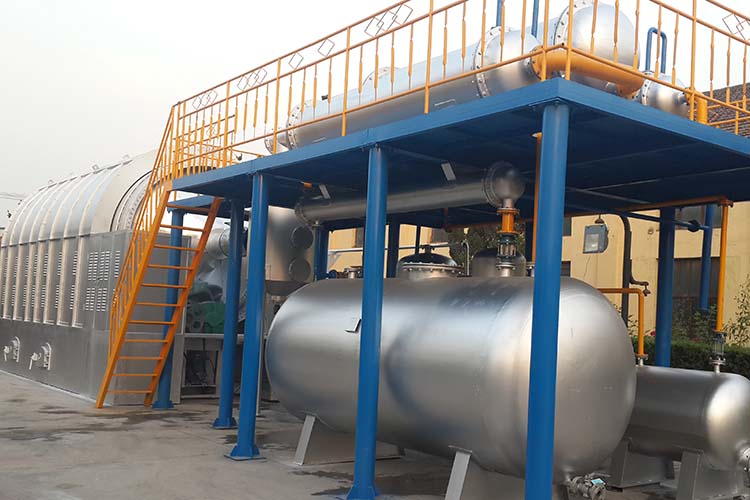
China Yongle Environmental Protection Engineering has developed customized equipment for "island adaptation+directed conversion of kitchen waste": using a "fiberglass anti-corrosion cabin+solar diesel dual drive" design, the cabin can withstand high humidity and seawater salt corrosion, the photovoltaic panel is adapted to strong equatorial sunlight, and the daily power supply covers 50% of the equipment's energy consumption, solving the problem of island power shortage; The core is equipped with a "simple composting+biological deodorization" system, which converts kitchen waste into organic fertilizer (in accordance with the Indonesian Ministry of Agriculture's SNI standards) within 5 days and supplies it to palm plantations in Sumatra; Dry garbage undergoes "low-temperature pyrolysis" treatment, with a capacity reduction rate of 80%. The pyrolysis gas is used for equipment auxiliary heating, with an overall resource utilization rate of 72%.
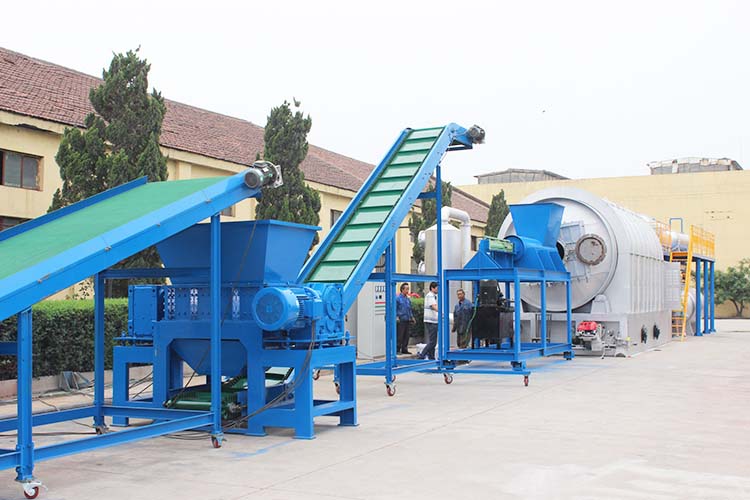
Full scene coverage of islands and cities: In high-density communities in Jakarta and Surabaya, the cluster equipment has a daily processing capacity of 80 tons, equipped with an Indonesian language operation interface, and the feed inlet is compatible with tricycles and small garbage trucks. The leachate is discharged in compliance with standards through a dedicated filtration system; In tourist areas such as Bali and Mindanao, the appearance of the equipment incorporates elements of Balinese wood carving, with an operating noise of ≤ 40 decibels. Coconut shell activated carbon is used for deodorization to avoid affecting the tourist experience; In remote islands of Sulawesi and Maluku, mobile devices can be transported by fishing boats with a daily processing capacity of 10 tons, meeting the needs of 500 villages. The compost products are directly supplied to the coconut groves of the islanders; In the palm plantation park, equipment processes household waste from growers, and fertilizers feed back to the growth of palm trees, forming a "planting life planting" cycle.
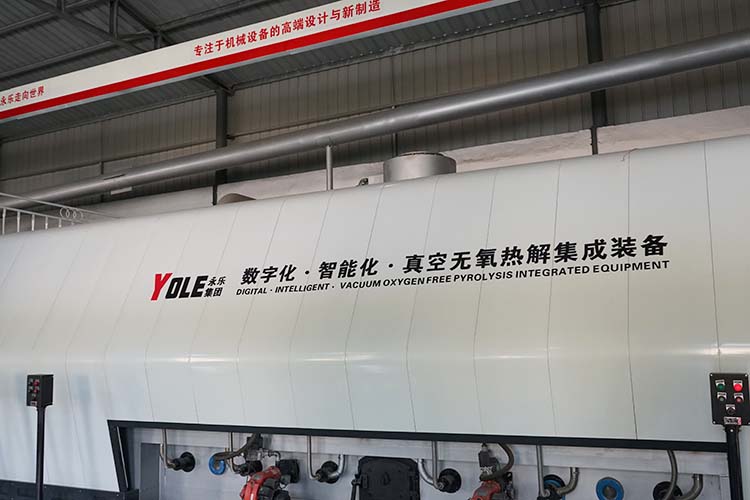
We provide exclusive protection for islands: the equipment has been registered with the Indonesian Ministry of Environment and Forestry (KLHK) to assist in completing the "No Waste Indonesia" compliance declaration. Set up service centers in Jakarta and Bali to store spare parts such as anti-corrosion seals and photovoltaic modules. The main cities can respond within 2 hours, while remote islands can receive parts through ferries and drones. The equipment procurement cost is 42% lower than similar international products, and operation and maintenance do not require professional skills. Regular Indonesian language videos are used to guide islanders in maintenance, helping Indonesia solve the problem of island garbage disposal.
Yongle Environmental Protection is mainly engaged in the research and development, production and sales of complete sets of technical equipment for organic solid waste disposal and comprehensive utilization. Production and manufacturing, domestic waste treatment equipment, tire pyrolysis equipment, medical waste disposal equipment, hazardous waste disposal equipment, and achieve efficient and comprehensive utilization of resources through independently developed low-temperature anaerobic pyrolysis equipment technology solutions.
Tags:Indonesia's garbage equipment is resistant to corrosion and moisture guarding the Kuril Islands,household waste treatment equipment,YONGLE GROUP
 Latest news