



 2025-11-12
The number of motor vehicles in Malaysia exceeds 38 million, with motorcycles accounting for 60%. In addition, the popularization of freight vehicles and agricultural machinery in palm plantations generates over 600000 tons of waste tires annually, of which 70% are concentrated in industrial and densely populated areas such as Kuala Lumpur Selangor and Johor. Under the local tropical rainforest climate, the high temperature and humidity throughout the year accelerate the aging and damage of tires stored outdoors, releasing microplastics that pollute the soil and rivers; During the dry season, the high temperature and dryness make tires prone to spontaneous combustion, causing fires and producing a large amount of toxic gases, which violates the requirements of Malaysia's Environmental Protection Act on solid waste pollution prevention and control. In recent years, Malaysia has vigorously promoted a circular economy and included the resource utilization of waste tires in the national green growth plan. Traditional landfilling and incineration have caused serious pollution and can no longer meet the demand. Introducing waste tire processing equipment that is suitable for local working conditions has become an urgent choice.
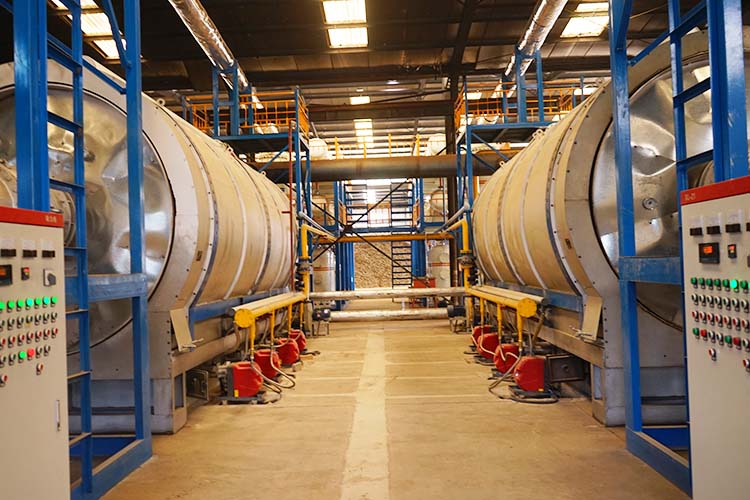
China Yongle Environmental Protection Engineering customizes and optimizes the characteristics of waste tires in Malaysia: considering the high proportion and small size of motorcycle tires, the pre-treatment stage is equipped with a "multi specification crushing+magnetic separation" module, which can efficiently crush tires of different sizes from motorcycles to freight vehicles, accurately separate metal impurities, and achieve a metal recovery rate of over 98%; In response to the high temperature and humidity throughout the year, the core unit of the equipment is made of high-temperature and corrosion-resistant alloy material, and a thermal insulation and moisture-proof layer is installed in the pyrolysis reaction chamber to ensure that the pyrolysis temperature is stable at 400-450 ℃. The tire oil yield is over 42%, and the recovered pyrolysis oil meets Malaysia's industrial fuel oil standards. It can be supplied to local power plants and cement plants as boiler fuel, meeting the demand for low-cost fuel in industry. The overall equipment is designed to be sealed and dust-proof, suitable for use in rural and plantation environments with high dust emissions.
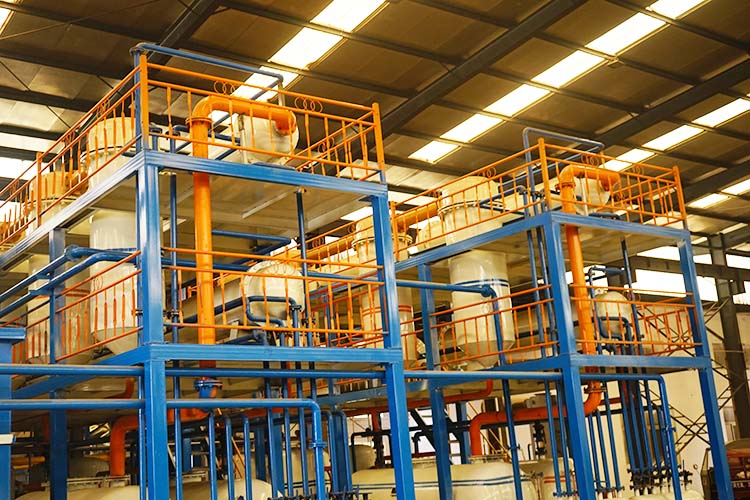
Application scenarios cover the entire industry chain: In large waste recycling centers in Kuala Lumpur and Port Klang, the daily processing capacity of a single equipment can reach 6-10 tons, and the cracked oil produced can be supplied in bulk to surrounding industrial parks. The separated carbon black can be processed and used for the production of rubber products and building materials; At regional recycling points in medium-sized cities, modular equipment occupies only 110 square meters and can quickly integrate into existing recycling networks, reducing the cost of cross regional transportation of tires; In remote plantations and small recycling points in rural areas, the operation process of simple equipment is simplified, equipped with Malay language operation interfaces, and local personnel can operate independently after 3 days of training to process waste tires generated by agricultural machinery and motorcycles, achieving on-site resource utilization.
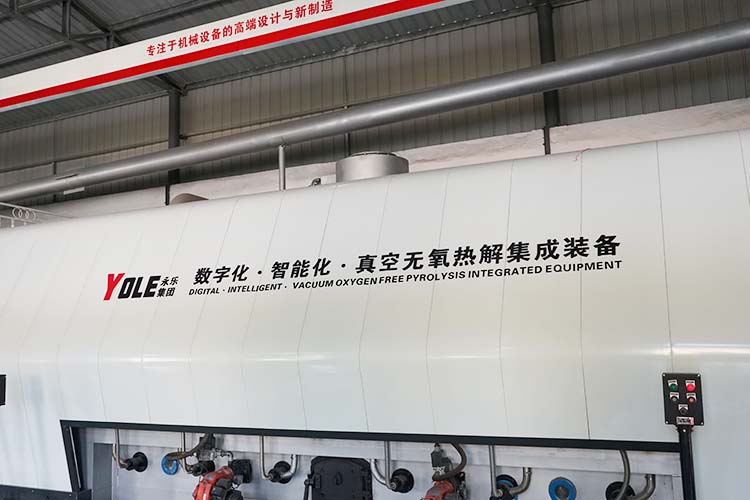
We provide customized solutions to address the differences in industrial demand in different regions of Malaysia: optimizing the proportion of cracked oil output for industrial concentration areas, and providing guidance on increasing carbon black deep processing as organic fertilizer auxiliary materials for agricultural planting areas. Set up dual after-sales service centers in Kuala Lumpur and Penang, equipped with professional technical teams and sufficient spare parts. After equipment failure, it can reach major cities within 24 hours and respond within 72 hours in remote areas. Regular maintenance training is provided. The exhaust gas of the equipment undergoes triple purification of "desulfurization+denitrification+bag dust removal", and the emissions meet Malaysian environmental standards. The operating noise is controlled below 60 decibels and can be deployed in industrial and suburban areas. We look forward to collaborating with Malaysian waste recycling companies, industrial enterprises, and environmental protection agencies to solve the problem of waste tire disposal with resource-based equipment and promote the development of circular economy.
Yongle Environmental Protection is mainly engaged in the research and development, production and sales of complete sets of technical equipment for organic solid waste disposal and comprehensive utilization. Production and manufacturing, domestic waste treatment equipment, tire pyrolysis equipment, medical waste disposal equipment, hazardous waste disposal equipment, and achieve efficient and comprehensive utilization of resources through independently developed low-temperature anaerobic pyrolysis equipment technology solutions.
Tags:Malaysia's waste tire equipment reduces industrial fuel costs,waste tire refining equipment,YONGLE GROUP
 Latest news