



 2025-12-25
According to the Basic Law of Environmental Management and the Solid Waste Management Regulations updated in 2024, Venezuela has clarified the principle of "resource first, low-cost operation and maintenance" for waste treatment, and requires that the standardized treatment rate of household waste in major cities be increased to 65% by 2026. At present, the daily production of household waste in the country is about 28000 tons. The problem of "garbage siege" is prominent in big cities such as Caracas and Maracaibo, and rural areas rely more on open-air dumping, which can easily cause rainwater pollution during the rainy season. Organic waste accounts for 52% of the garbage, including a large amount of agricultural by-products such as corn stalks and coffee husks, as well as catering kitchen waste. The whole area belongs to a tropical grassland climate, with an average annual precipitation of 800-1500 millimeters. The dry season is hot and dry, and the rainy season is rainy and humid. There is an urgent need for on-site resource utilization equipment that is suitable for extreme climates and low energy consumption.
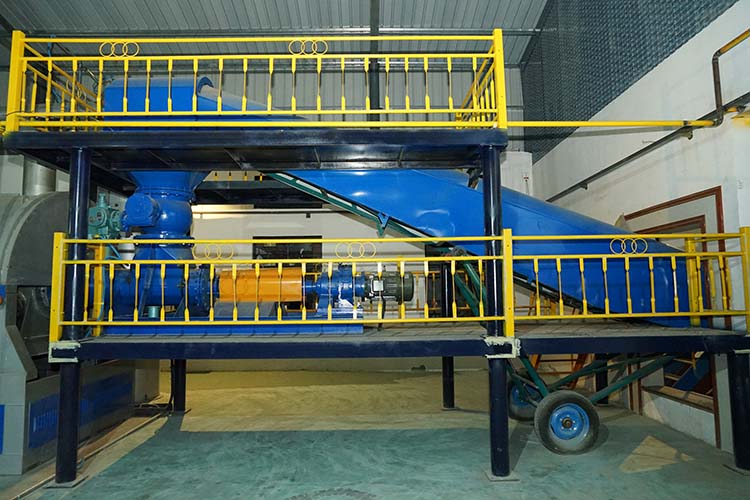
China Yongle Environmental Protection Engineering has developed a targeted "Venezuela Climate Customized" household waste treatment equipment: using weather resistant carbon steel anti-corrosion cabin body, it can withstand high temperature of 40 ℃ and high humidity erosion in rainy season. It is equipped with a "solar natural gas dual drive" system - photovoltaic panels adapted to tropical strong sunlight, with a daily power supply covering 62% of the equipment's energy consumption. The natural gas module is adapted to the local abundant oil and gas resources, greatly reducing operating costs. The core adopts the technology of "high-temperature aerobic fermentation+kitchen waste pressing and dehydration". Corn straw and kitchen waste can be mixed and fermented for 7 days to convert into organic fertilizer (in line with the soil standards of the Venezuelan agricultural department). The dehydrated kitchen waste residue can assist in fermentation, and the dry waste pyrolysis capacity reduction rate reaches 83%. The pyrolysis gas can supplement the driving energy consumption, and the overall resource utilization rate reaches 79%.
Adapting to the needs of people's livelihoods: In densely populated communities in Caracas, the cluster equipment has a daily processing capacity of 130 tons and is equipped with a Spanish language operation interface. It can be connected to municipal garbage trucks for automatic un
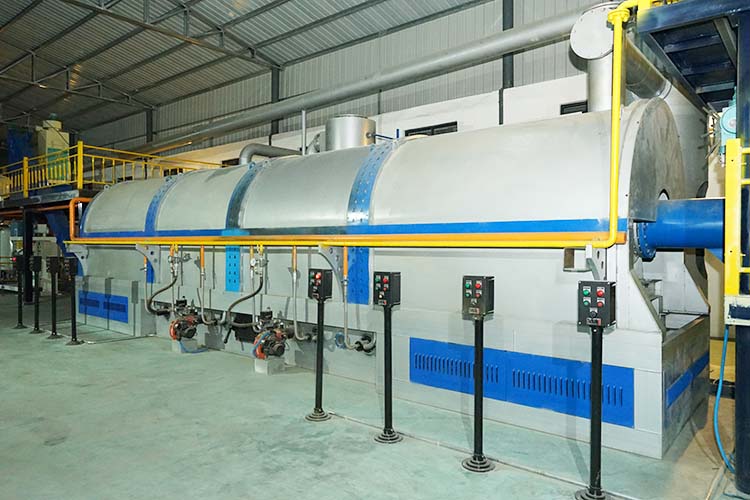
loading and generate disposal reports that comply with the Solid Waste Management Regulations; In the Maracaibo agricultural area, mobile devices can be towed by pickup trucks with a daily processing capacity of 18 tons, and compost is directly supplied to coffee and corn plantations; In remote villages in Amazon state, mini devices with a volume of only 1.2 cubic meters can be transported by small trucks and have a daily processing capacity of 6 tons, helping villagers achieve on-site waste reduction; In the tourist city of Margarita Island, a dedicated processing module for catering kitchen waste has been added to the equipment to avoid oil pollution on the beach.
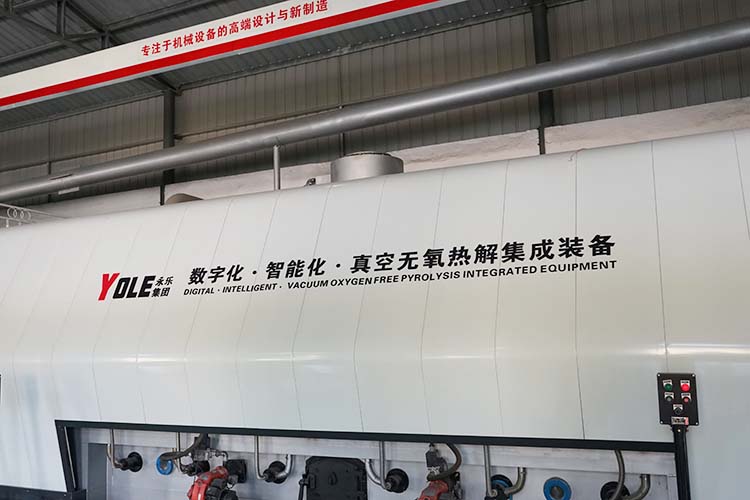
Localization service guarantee: The equipment has been registered with the Venezuelan Ministry of Environment and meets the environmental protection requirements of the Basic Law of Environmental Management. Set up spare parts centers in Caracas and Maracaibo, relying on local logistics to achieve 2-hour maintenance response in major cities, and complete parts distribution in rural areas through agricultural cooperative networks. The energy consumption of the equipment is 38% lower than that of traditional equipment, and operation and maintenance personnel can start working after one day of Spanish video training, helping to build a "garbage fertilizer agriculture" livelihood cycle system.
Yongle Environmental Protection is mainly engaged in the research and development, production and sales of complete sets of technical equipment for organic solid waste disposal and comprehensive utilization. Production and manufacturing, domestic waste treatment equipment, tire pyrolysis equipment, medical waste disposal equipment, hazardous waste disposal equipment, and achieve efficient and comprehensive utilization of resources through independently developed low-temperature anaerobic pyrolysis equipment technology solutions.
Tags:Venezuela's garbage equipment is weather resistant and adaptable to tropical climates,household waste treatment equipment,YONGLE GROUP
 Latest news