


 2025-09-22
As a relatively developed economy in Southeast Asia, Malaysia has a high number of cars and a well-developed rubber industry, generating over 1.5 million tons of waste tires and rubber waste annually. The treatment of waste tires has become a key issue in balancing industrial development and environmental protection. At present, some areas in Malaysia adopt the treatment method of using crushed tires for roadbed filling, but this method has limited digestion capacity and is prone to roadbed settlement problems during the rainy season; However, incineration treatment is strictly limited to a few factories that meet environmental standards due to the production of harmful substances such as dioxins. With the Malaysian government proposing the '2030 Agenda for Sustainable Development', the demand for the recycling of waste resources is constantly increasing, and there is an urgent need for solutions that can achieve high added value and environmentally friendly treatment of waste tires.
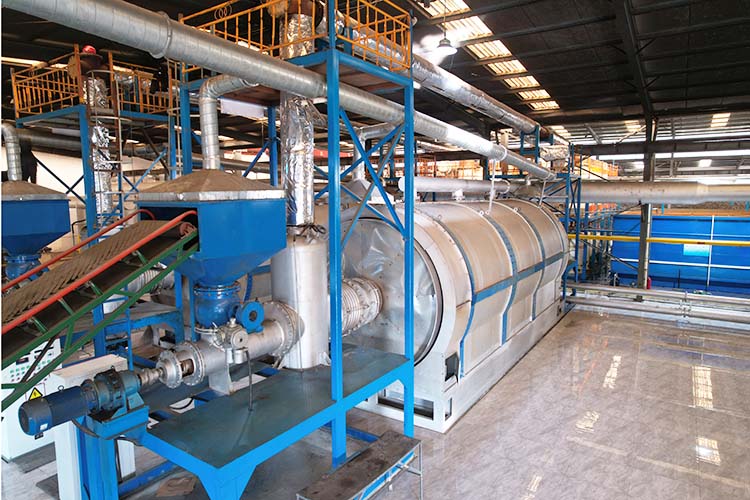
The waste tire refining equipment, with its advanced technology and high added value, perfectly meets the needs of Malaysia. This equipment adopts advanced catalytic cracking technology, which can efficiently convert waste tires and rubber waste into high-quality fuel, carbon black, and steel wire. The calorific value of the fuel can reach more than 42MJ/kg, comparable to diesel, and the purity of the carbon black exceeds 90%, reaching industrial grade standards. In terms of environmental protection, the equipment is equipped with a tail gas treatment system recognized by the Malaysian Ministry of Environment. Through low-temperature plasma and UV photolysis technology, harmful components in the exhaust gas are deeply removed, and the emission indicators not only meet local standards in Malaysia, but also meet the EU EEA standards; At the same time, the equipment adopts waste heat recovery technology to convert the heat generated during the production process into steam or electricity, achieving energy recycling and meeting Malaysia's requirements for energy conservation and emission reduction.
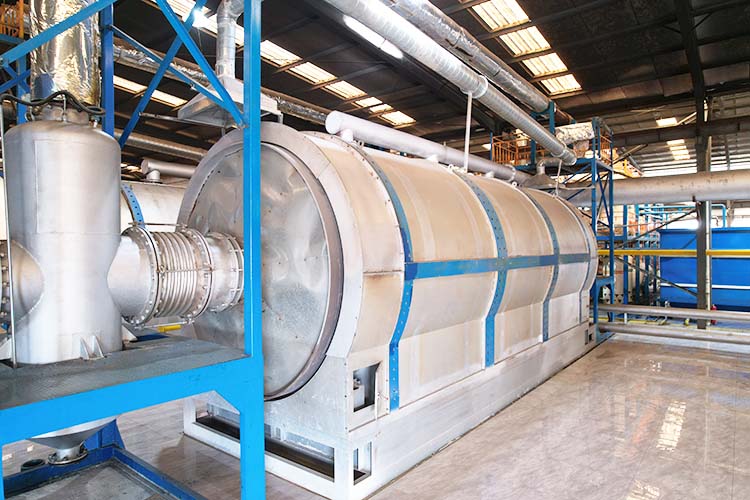
In terms of economic benefits, waste tire refining equipment has brought significant advantages to Malaysia. The rubber industry in Malaysia is well-developed, and the high-quality carbon black produced by equipment can be directly supplied to local tire manufacturing enterprises (such as Goodyear and Michelin factories in Malaysia), reducing the cost of importing carbon black for enterprises and improving the integrity of the industrial chain; The produced fuel can be supplied to local industrial enterprises and power plants, alleviating Malaysia's dependence on imported energy; In addition, as a trading center in Southeast Asia, Malaysia can export excess carbon black and fuel to neighboring countries, further expanding its market space. At the same time, the automation level of the equipment is high, and a production line only requires 3-5 people to operate, greatly reducing labor costs and improving production efficiency.
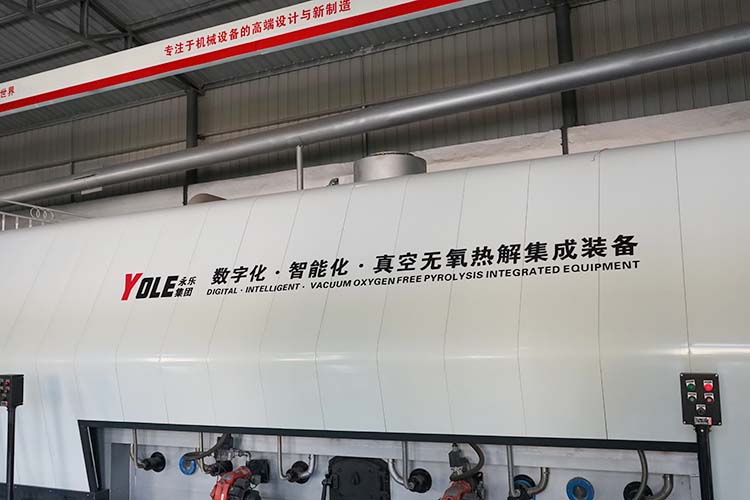
China Yongle Environmental Protection Engineering Co., Ltd. provides customized solutions tailored to the industrial characteristics and environmental requirements of Malaysia. Considering the abundant rubber waste resources in Malaysia, the company can optimize the feeding system of its equipment to not only process waste tires but also be compatible with various rubber scraps; In response to the high temperature and humidity climate in the local area, the equipment adopts corrosion-resistant and moisture-proof core components to ensure long-term stable operation. In addition, Yongle Environmental Protection also collaborates with local environmental consulting companies in Malaysia to provide customers with full process services such as project approval and environmental assessment, helping them quickly obtain government approval. With reliable product quality and comprehensive services, Yongle Environmental Protection has established cooperation with multiple rubber companies in Malaysia. Choosing Yongle Environmental Protection can help Malaysia achieve high value-added utilization of waste tires and rubber waste, and promote the implementation of the "2030 Agenda for Sustainable Development".
Yongle Environmental Protection is mainly engaged in the research and development, production and sales of complete sets of technical equipment for organic solid waste disposal and comprehensive utilization. Production and manufacturing, domestic waste treatment equipment, tire pyrolysis equipment, medical waste disposal equipment, hazardous waste disposal equipment, and achieve efficient and comprehensive utilization of resources through independently developed low-temperature anaerobic pyrolysis equipment technology solutions.
Tags:Waste tire refining equipment promotes Malaysia's circular development,waste tire refining equipment,YONGLE GROUP
 Latest news