



 2025-11-18
West Africa, as an engine of economic growth in Africa, has an average annual population growth rate of 3.2% in core cities such as Lagos in Nigeria and Accra in Ghana. The region generates over 180 million tons of household waste annually, with agricultural countries such as Senegal and Cote d'Ivoire accounting for 55% -70% of kitchen waste. Meanwhile, countries such as Benin and Togo add over 800000 tons of plastic waste annually due to loose plastic import controls. The local tropical savannah and rainforest climate superimpose the short board of urbanization, and the rainstorm in the rainy season (June September) will flush the open-air garbage into the Niger River, Volta River and other basins, polluting the fishery production areas and drinking water sources; The high temperature above 35 ℃ during the dry season (November April of the following year) causes rapid decay of garbage and increases the risk of transmission of pathogenic bacteria such as Vibrio cholerae by three times. In order to implement the Environmental Sustainable Development Action Plan of the Economic Community of West African States (ECOWAS), countries have specified that the harmless treatment rate of urban waste should reach 60% by 2030. The traditional mode of landfilling, occupying farmland, and burning air pollution can no longer meet the demand, and treatment equipment adapted to local waste composition has become a necessity for people's livelihoods.
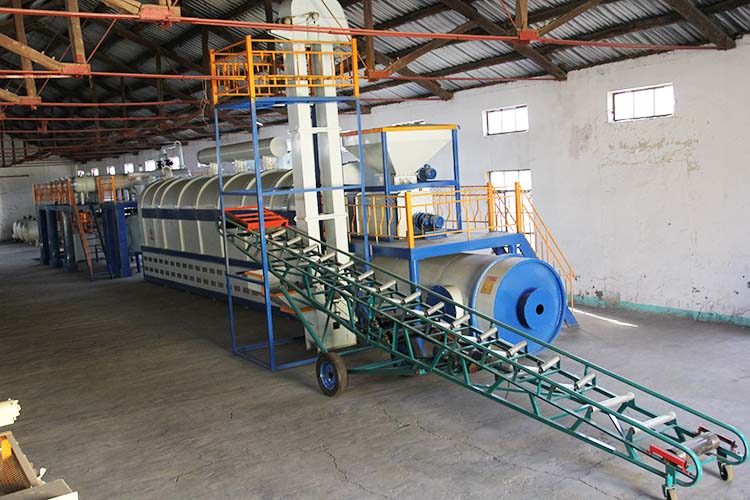
China Yongle Environmental Protection Engineering has created a targeted "organic conversion+plastic regeneration" dual track equipment: kitchen waste is fermented at 60 ℃ for 96 hours under constant temperature aerobic conditions, and converted into organic rich fertilizers with nitrogen, phosphorus, and potassium content that meets West African cocoa and cashew planting standards. These fertilizers can be directly supplied to agricultural cooperatives in Ghana and Cote d'Ivoire; Plastic waste is processed by low-temperature crushing hot melt granulation technology, and the regenerated plastic particles generated can be used to produce locally urgently needed agricultural films and building materials, with an overall resource utilization rate of over 70%. In response to the characteristics of floods during the rainy season, the equipment adopts a "high pedestal installation+rainwater collection system", and the sealing of the pre-treatment chamber reaches IP67 level, completely avoiding the leakage of leachate; The core components are made of special steel that is resistant to termite erosion, and are equipped with forced ventilation and heat dissipation modules to ensure daily operation for more than 20 hours in high temperature and high humidity environments.

The entire scene is adapted to the urban-rural differences in West Africa: in mega cities such as Lagos and Accra, the daily processing capacity of clustered equipment can reach 500 tons, and the produced recycled plastic pellets are directly supplied to local manufacturing industries. Organic fertilizers radiate to surrounding planting areas through cold chain logistics; In medium-sized cities such as Burkina Faso and Mogadishu, modular equipment covers an area of only 120 square meters and supports container transportation. It can quickly connect with existing garbage transfer stations, reducing cross regional transfer costs by 40%; In remote rural areas of Mali and Niger, small photovoltaic auxiliary equipment does not require a stable power grid and is equipped with bilingual operation interfaces in French and Hausa languages. Villagers can operate it after one day of training, and the daily processing capacity meets the needs of 200 villages, avoiding garbage accumulation and pollution of farmland.
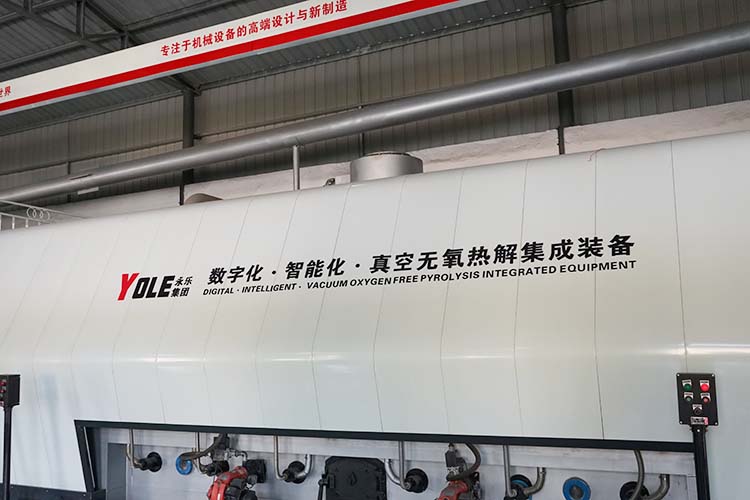
We have been deeply involved in the West African market for three years, providing localized services: setting up a regional service headquarters in Lagos, reserving spare parts suitable for tropical conditions, achieving 24-hour fault response in major cities in Nigeria and Ghana, and arriving on site within 48 hours in countries such as Benin and Togo. The operating noise of the equipment is controlled below 55 decibels, and the exhaust gas is purified through a triple process of "bag dust removal+activated carbon adsorption+photocatalytic oxidation". The emission indicators fully comply with the ECOWAS environmental protection standards and can be safely deployed around residential areas. We look forward to working together with municipal departments and agricultural enterprises in West African countries to improve the living environment through waste recycling solutions and help achieve the goal of a "waste free city".
Yongle Environmental Protection is mainly engaged in the research and development, production and sales of complete sets of technical equipment for organic solid waste disposal and comprehensive utilization. Production and manufacturing, domestic waste treatment equipment, tire pyrolysis equipment, medical waste disposal equipment, hazardous waste disposal equipment, and achieve efficient and comprehensive utilization of resources through independently developed low-temperature anaerobic pyrolysis equipment technology solutions.
Tags:West African garbage equipment turns waste into treasure to protect people's livelihoods,household waste treatment equipment,YONGLE GROUP
 Latest news