


 2025-11-18
With the gradual improvement of the medical system in West Africa, there are over 180000 medical institutions in the region, of which Nigeria and Ghana account for 60%. After the epidemic, the daily average amount of medical waste generated has increased to 8500 tons, and hazardous waste such as disposable syringes and infectious dressings account for over 58%. However, there are significant shortcomings in the local medical waste management system: a survey conducted by Ghana shows that only 47.5% of medical institutions achieve source classification, 12% of medical staff have received professional training, and small clinics in Lagos, Nigeria even mix medical waste with household waste. In a high-temperature environment above 30 ℃, the bacterial growth rate of medical waste increases tenfold after 24 hours of temporary storage, which not only increases the occupational exposure risk of medical staff, but also threatens residents' health through groundwater infiltration. In response to the World Health Organization's (WHO) African Regional Initiative for Medical Waste Management, many West African countries have legislated to prohibit simple landfilling of medical waste, requiring a sterilization rate of over 99.99%. Professional treatment equipment has become the core support for compliant operation in the medical industry.
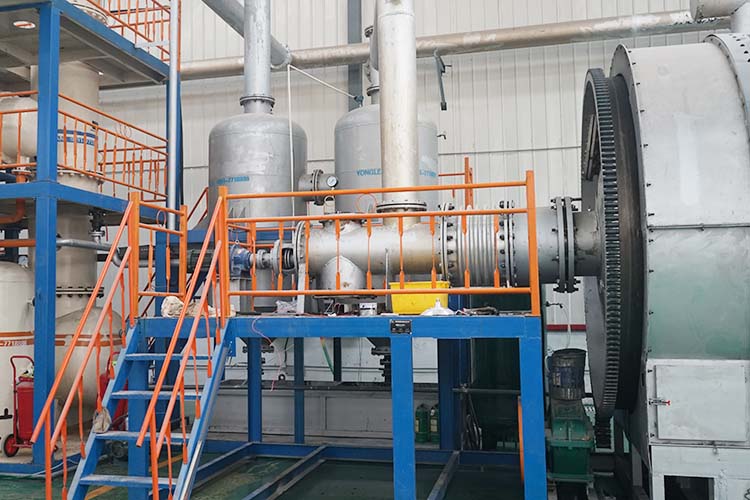
Based on 18 years of experience in medical waste treatment, China Yongle Environmental Protection Engineering has specially developed customized equipment for West Africa. The core adopts a combination process of "high temperature and high pressure steam sterilization+low temperature crushing", which can continuously sterilize for 40 minutes at 138 ℃ and 0.22MPa pressure, with a sterilization rate of 99.999%. After treatment, the waste can be disposed of in compliance with ordinary garbage regulations, cutting off the pollution chain from the source. In response to the problem of unstable electricity in some areas, the equipment is equipped with a diesel power generation backup system as standard, with a switching response time of less than 10 seconds; The electrical system adopts an IP68 waterproof design, which is suitable for the usage needs of rainy areas such as Sierra Leone and Liberia. Innovatively equipped with a medical waste tracing module, it records waste sources, processing times, and other data through a bilingual interface in French and English. It can directly connect with regulatory platforms of health departments in various countries, easily meeting compliance requirements.
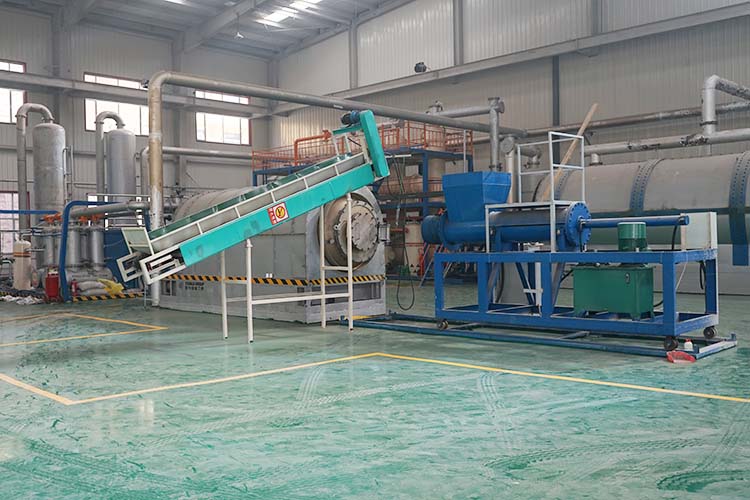
Adapting to the needs of various medical institutions: In large institutions such as university teaching hospitals in Nigeria, the daily processing capacity of multi unit linkage equipment reaches 2 tons, supporting synchronous processing of multiple categories such as surgical waste and pathological waste, to meet the peak demand for medical treatment; At the medium-sized hospital in Kumasi, Ghana, the mobile equipment has a daily processing capacity of 500 kilograms and is equipped with an automatic feeding device. Medical staff do not need to directly contact medical waste, reducing the risk of infection; In community health centers in remote areas of Burkina Faso, the mini equipment covers an area of only 4 square meters, with a simplified operation process of 5 steps and equipped with graphic and textual operation guides. Grassroots medical staff can get started after 30 minutes of training.
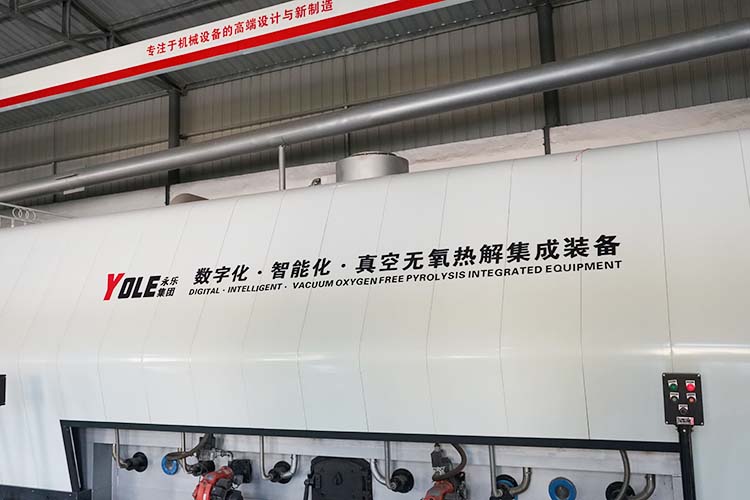
We provide full cycle compliance assurance: assist clients in completing dual filing with local health departments and environmental protection agencies, and provide one-stop services for equipment installation, commissioning, and personnel training. Set up dual service centers in Lagos, Nigeria and Accra, Ghana, with a 24/7 response time to demand and sufficient inventory of commonly used spare parts to ensure equipment downtime is less than 4 hours per year. The equipment investment cost is reduced by 30% compared to similar products in Europe and America, and does not require complex supporting facilities, making it particularly suitable for the budget needs of medical institutions in West Africa. We look forward to collaborating with the West African Medical Association, private hospital groups, and public welfare organizations to build a strong public health defense line with professional equipment, and safeguard the health of medical staff and the public.
Yongle Environmental Protection is mainly engaged in the research and development, production and sales of complete sets of technical equipment for organic solid waste disposal and comprehensive utilization. Production and manufacturing, domestic waste treatment equipment, tire pyrolysis equipment, medical waste disposal equipment, hazardous waste disposal equipment, and achieve efficient and comprehensive utilization of resources through independently developed low-temperature anaerobic pyrolysis equipment technology solutions.
Tags:Adapt to the full scene coverage of medical waste equipment in West Africa,medical waste treatment equipment,YONGLE GROUP
 Latest news