



 2025-11-26
The US healthcare system is well-established, with over 6800 hospitals, 130000 clinics, and a large number of home healthcare service institutions nationwide. It generates approximately 7.6 million tons of medical waste annually, of which infectious waste accounts for 42%, chemical waste accounts for 18%, and sharps waste accounts for 15%. The US Medical Waste Traceability Act (MWTA) and CDC epidemic prevention regulations require that medical waste must undergo harmless treatment within 48 hours, with a sterilization rate of 99.999%, and the entire process must be connected to the federal medical waste traceability system. Currently, some grassroots institutions face compliance risks due to aging equipment and complex operations, especially during the flu season and public health events, where there is an urgent need for efficient and convenient equipment handling.
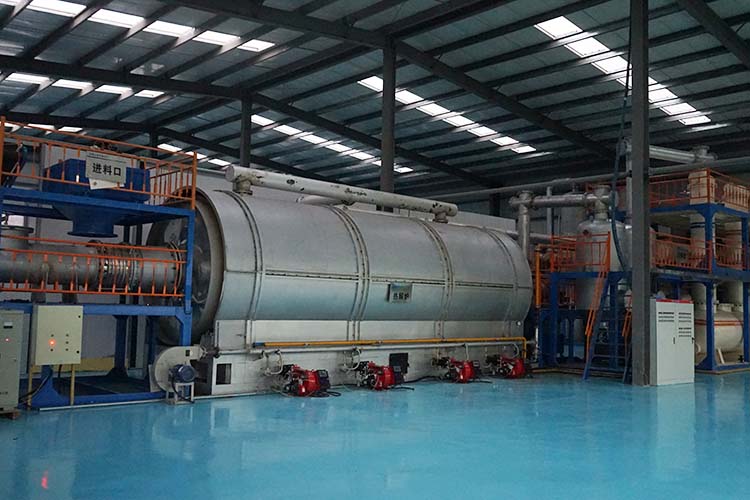
China Yongle Environmental Protection Engineering Special Research and Development "Efficient Sterilization+Intelligent Traceability" Customized Equipment from the United States: The core adopts "Pulse High Temperature Steam Sterilization Technology", breaking through the limitations of traditional constant temperature sterilization. The high temperature of 138 ℃ and the pressure of 0.24 MPa alternate for 25 minutes, and the sterilization rate reaches 99.999%. The waste volume reduction rate after treatment reaches 85%, and it can be disposed of in compliance with ordinary solid waste regulations. The device is equipped with a traceability module that complies with the HL7 standard, which automatically records information such as the source, type, and processing parameters of medical waste through an RFID chip, and synchronizes it in real time to the US federal medical waste regulatory platform, achieving full traceability from source to terminal. In response to the needs of the medical scene in the United States, the equipment is equipped with automatic feeding, leak proof sealing doors, and other designs to reduce the risk of medical staff exposure. The operating interface supports bilingual switching between English and Spanish, and is suitable for multiple service scenarios.
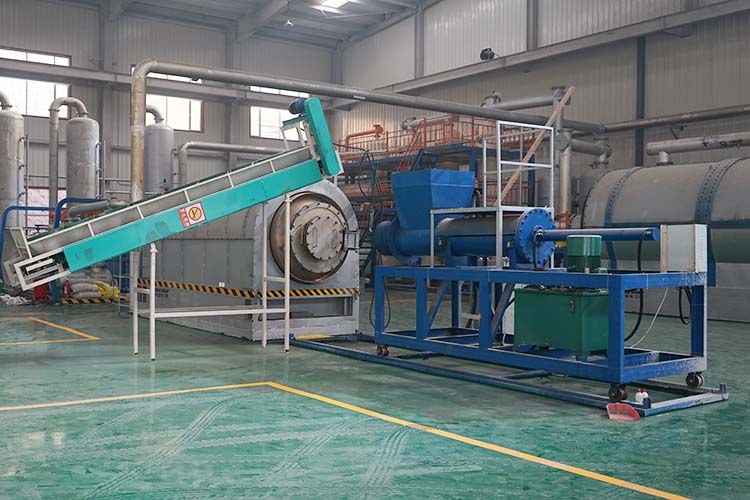
Accurate adaptation to various levels of medical scenarios: In large medical institutions such as Mayo Clinic and Johns Hopkins Hospital, the daily processing capacity of multi unit linkage equipment reaches 800 kilograms, supporting the classification and treatment of infectious, pathological, and chemical waste, and responding to peak medical visits and public health emergencies; In community hospitals in cities such as Dallas and Philadelphia, mobile devices with a daily processing capacity of 200-300 kilograms can be flexibly deployed near emergency buildings due to their small size, achieving "nearby treatment" of medical waste; At rural family medical service points, the mini equipment covers an area of only 3.5 square meters, adopts one click operation, and is equipped with remote fault diagnosis function. Grassroots medical staff can proficiently use it after one hour of training.
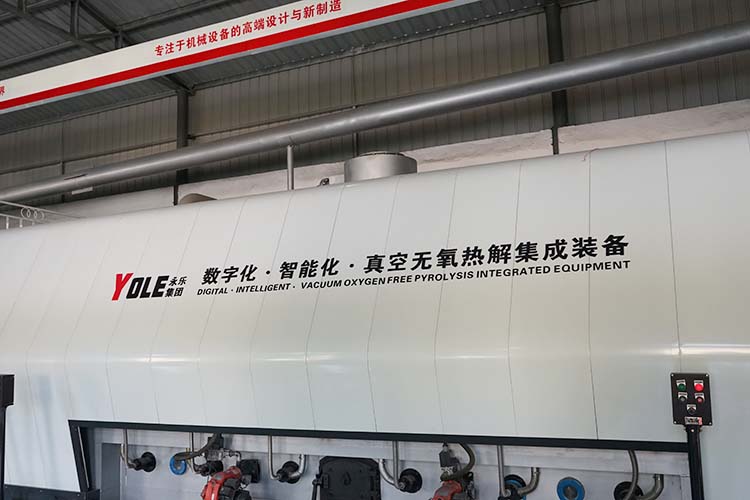
We rely on our rich experience in medical equipment services in Europe and America to provide full cycle support: the equipment has passed the US FDA certification and OSHA occupational safety certification, assisting customers in completing federal and state health department filings. Set up after-sales service centers in New York and Los Angeles, respond to demand 24/7, and maintain a stock of commonly used spare parts to meet over 90% of emergency needs, ensuring that equipment downtime is less than 5 hours per year. The operating energy consumption of the equipment is 28% lower than similar products in the United States, which meets the cost reduction and efficiency improvement needs of the medical industry and helps to build a safe, compliant, and efficient medical waste treatment system.
Yongle Environmental Protection is mainly engaged in the research and development, production and sales of complete sets of technical equipment for organic solid waste disposal and comprehensive utilization. Production and manufacturing, domestic waste treatment equipment, tire pyrolysis equipment, medical waste disposal equipment, hazardous waste disposal equipment, and achieve efficient and comprehensive utilization of resources through independently developed low-temperature anaerobic pyrolysis equipment technology solutions.
Tags:Adaptation of American medical waste equipment to various levels of medical institutions,medical waste treatment equipment,YONGLE GROUP
 Latest news