



 2025-11-27
There are over 22000 medical institutions in the UK, generating approximately 590000 tons of medical waste annually, of which infectious waste accounts for 42%. It is necessary to strictly follow the "Medical Waste Transfer Standard Rules" - the longest storage period for infectious waste is 14 days, anatomical waste should be stored at room temperature for no more than 24 hours, and treatment facilities must be located at least 200 meters away from SSSI special scientific interest points. After 2020, COVID-19's relevant medical waste treatment needs to comply with RPS C4 specification to ensure complete sterilization and controllable emissions. Currently, some grassroots clinics face compliance risks such as storage expiration and lack of traceability due to outdated equipment. Especially in England, medical waste disposal has been fully incorporated into the licensing system framework, and professional compliance equipment has become the core support for the operation of the medical industry.
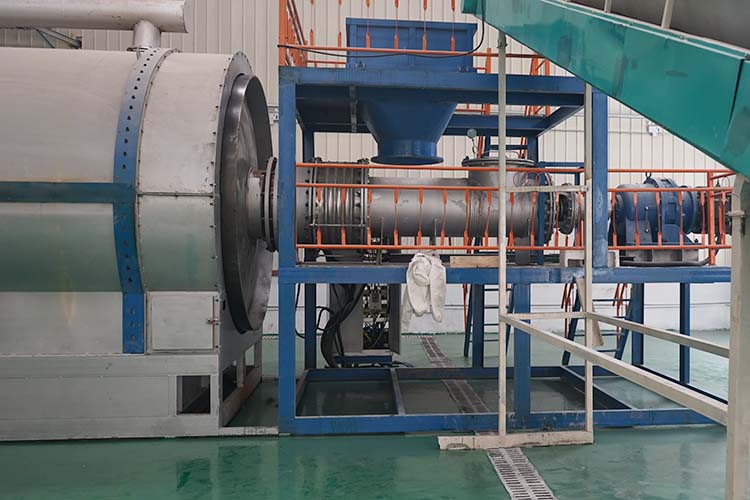
China Yongle Environmental Protection Engineering has developed a customized version of medical waste treatment equipment for the UK. The core adopts the "vacuum pulse sterilization+low-temperature drying volume reduction" process, following the UK HTM 07-01 medical equipment standard. It undergoes pulse sterilization at 132 ℃ and 0.21MPa pressure for 40 minutes, with a sterilization rate of 99.999%. After treatment, the moisture content of the waste is reduced to below 15%, and the volume reduction rate is 82%. It can be disposed of in compliance with general industrial waste regulations. For the 14 day storage requirement, the equipment is equipped with a low-temperature refrigeration module (0-4 ℃) and a built-in humidity sensor to automatically adjust the environment, avoiding the spoilage of infectious waste; Equipped with a traceability system that meets the requirements of the UK Environment Agency, the entire process data can be recorded through a QR code and directly connected to the NHS medical waste monitoring platform.
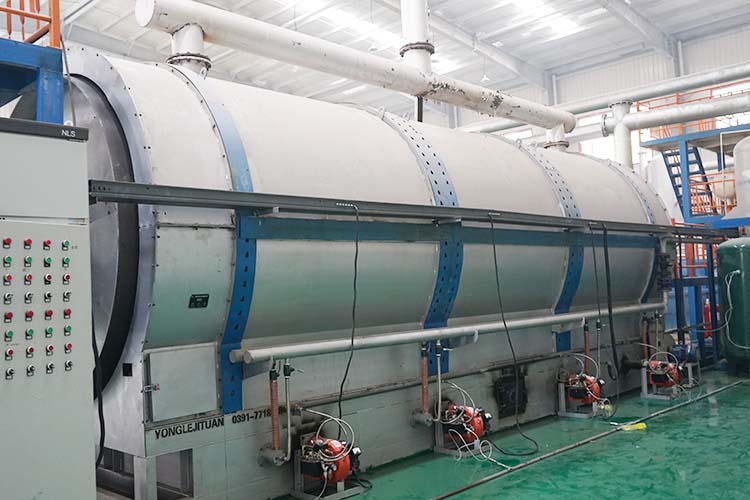
Suitable for various medical scenarios: In large institutions such as King's College London Hospital, the daily processing capacity of multi device linkage reaches 450 kilograms, supporting the classification and treatment of infectious, anatomical, and chemical waste, and responding to peak medical visits and public health emergencies; In the community clinics in Manchester and Glasgow, the mobile equipment has a daily processing capacity of 120-180 kg, which is compact and can be flexibly deployed in the back yard of the clinic to avoid the risk of cross regional transportation of medical waste; In remote rural medical centers in Scotland, mini devices cover an area of only 4 square meters and use one click operation and remote fault diagnosis. Primary healthcare workers can get started after one hour of training, meeting the needs of small-scale medical waste treatment.
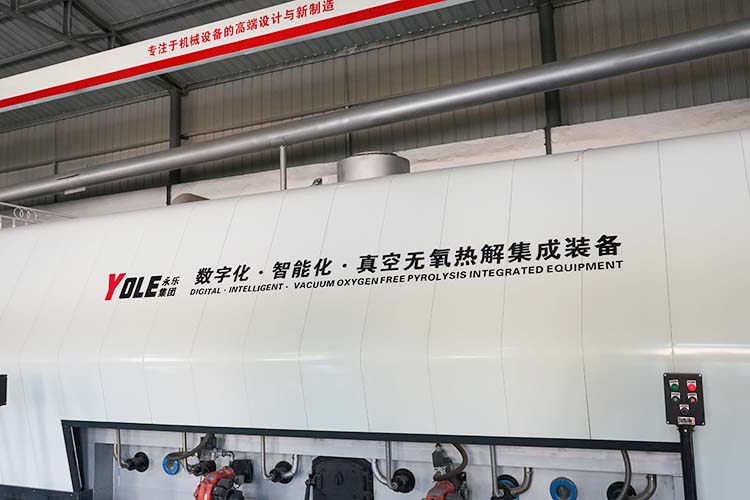
We provide full cycle compliance services: our equipment has been certified by the UK Environment Agency (EA) and CE medical certification, assisting clients in completing NHS filing and licensing applications. Set up dual service centers in London and Birmingham, respond to demand 24/7, have sufficient inventory of commonly used spare parts, and ensure that the average annual downtime of equipment is less than 6 hours. The energy consumption of the equipment during operation is 25% lower than similar products in the UK. The exhaust gas is purified through a triple process of "dust removal+desulfurization+photocatalytic oxidation", and the emission indicators are better than the UK Environmental Permit Regulations. It can be safely deployed around medical institutions to help build a sound medical waste treatment system
Yongle Environmental Protection is mainly engaged in the research and development, production and sales of complete sets of technical equipment for organic solid waste disposal and comprehensive utilization. Production and manufacturing, domestic waste treatment equipment, tire pyrolysis equipment, medical waste disposal equipment, hazardous waste disposal equipment, and achieve efficient and comprehensive utilization of resources through independently developed low-temperature anaerobic pyrolysis equipment technology solutions.
Tags:Adaptation of medical waste equipment to various levels of medical institutions in the UK,medical waste treatment equipment,YONGLE GROUP
 Latest news