



 2025-11-21
As one of the densely populated regions in Africa, the Congo Basin has an average annual population growth rate of 2.8% in cities such as Kinshasa and Brazzaville. The two countries generate over 12 million tons of household waste annually, with kitchen waste accounting for 65% and plastic, fabric, and other waste accounting for 25%. The local climate belongs to the tropical rainforest, with high temperatures and heavy rainfall throughout the year (with an average annual temperature of 25-28 ℃ and an annual precipitation of 1500-2000 millimeters). The garbage piled up outdoors is prone to rapid decay in humid environments, breeding mosquitoes and pathogenic bacteria, polluting water sources such as the Congo River, and occupying limited plain farmland. At present, environmental regulations in both countries are gradually improving, and it is clear that the harmless treatment rate of urban garbage needs to reach 50% by 2035. Traditional landfill and random disposal methods have seriously threatened people's livelihoods and ecology, and efficient treatment equipment suitable for high temperature and high humidity environments has become essential.
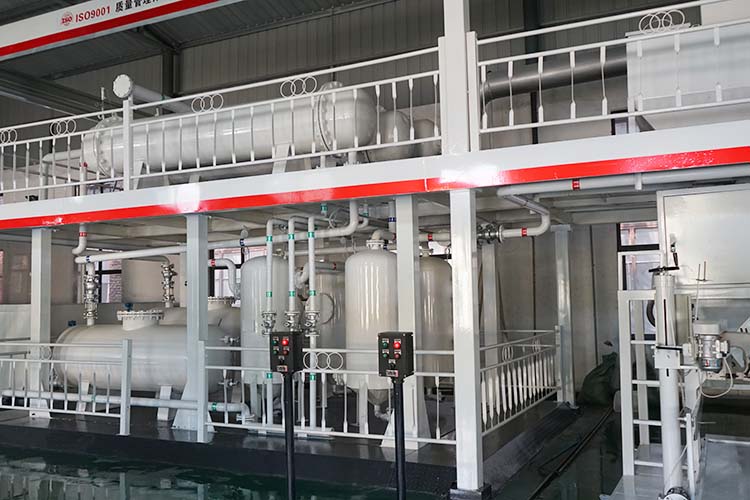
China Yongle Environmental Protection Engineering has developed a targeted integrated equipment for "kitchen waste biotransformation+recyclability sorting": kitchen waste is subjected to aerobic fermentation at 55 ℃ for 72 hours, and converted into organic fertilizer with an organic matter content of over 45%, which is suitable for soil improvement needs in coffee and cocoa plantations in the Democratic Republic of Congo; The recycled particles generated by the low-temperature crushing cleaning granulation process of plastic can be used to produce locally urgently needed agricultural tools and building materials, with an overall resource utilization rate of 68%. For the rainforest climate, the equipment adopts a fully sealed anti-corrosion design, and the body is made of special steel that is resistant to moisture and rust. The pre-treatment compartment is equipped with an automatic drainage system to avoid equipment failure caused by rainwater immersion; The core components are equipped with moisture-proof and heat dissipation modules to ensure 24-hour continuous operation in high humidity and humid environments.
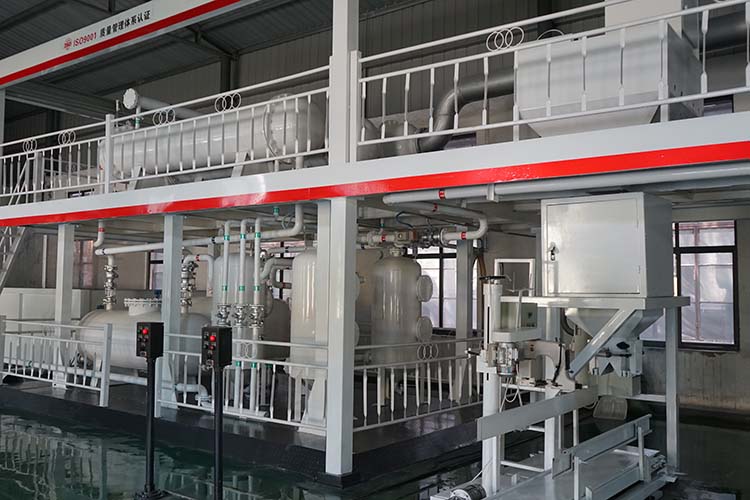
Adapting to urban-rural differences in all scenarios: In mega cities such as Kinshasa and Brazzaville, the daily processing capacity of clustered equipment reaches 300 tons, and the organic fertilizers produced are supplied to surrounding planting areas through agricultural cooperatives. Recycled plastic pellets are directly supplied to local manufacturing industries; In resource-based cities such as Lubumbashi and Blackhorn, modular equipment covers an area of only 90 square meters and supports container transportation. It can be quickly deployed around mining areas to handle household waste in mining settlements; In remote villages and rainforest tribes, small photovoltaic auxiliary equipment does not require a stable power grid. The operation interface is equipped with bilingual guidance in French and Lingala, and villagers can operate it after one day of training. The daily processing capacity meets the needs of 300 villages and avoids garbage accumulation and pollution of rainforest ecology.
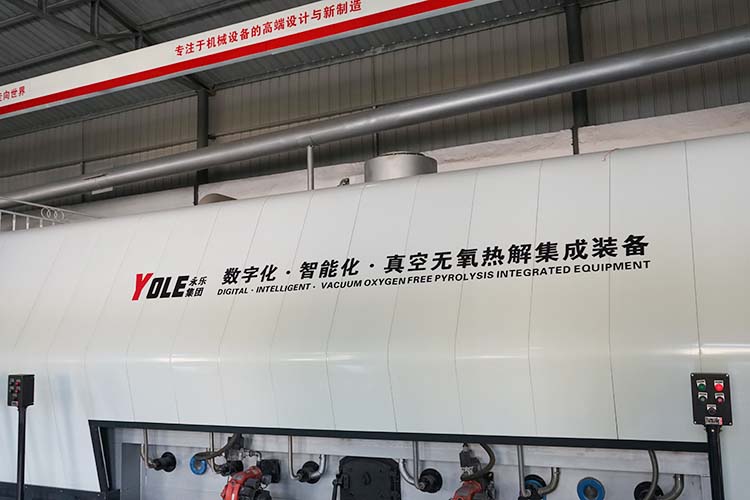
We provide localized service guarantee: set up a regional service center in Kinshasa, reserve spare parts suitable for rainforest conditions, provide 24-hour fault response in major cities, and arrive for maintenance within 72 hours in remote areas. The operating noise of the equipment is controlled below 52 decibels, and the exhaust is purified through a dual process of "bag dust removal+activated carbon adsorption". The emissions fully comply with the environmental standards of Congo (Brazzaville) and Congo (Kinshasa), and can be safely deployed around residential areas and scenic spots. We look forward to working together with the municipal departments and environmental protection enterprises of the two countries to improve the urban and rural environment with climate adapted equipment, and to help promote ecological protection and improve people's livelihoods.
Yongle Environmental Protection is mainly engaged in the research and development, production and sales of complete sets of technical equipment for organic solid waste disposal and comprehensive utilization. Production and manufacturing, domestic waste treatment equipment, tire pyrolysis equipment, medical waste disposal equipment, hazardous waste disposal equipment, and achieve efficient and comprehensive utilization of resources through independently developed low-temperature anaerobic pyrolysis equipment technology solutions.
Tags:Congo garbage equipment operates stably with moisture and heat resistance,household waste treatment equipment,YONGLE GROUP
 Latest news