



 2025-12-24
According to the African Public Health Emergency Regulations and national health regulations, Congo (Brazzaville) and Congo (Kinshasa) require that the sterilization rate of medical waste must reach 99.99%, and violations of disposal can result in a maximum fine of 2 million CFA francs. The medical resources of the two countries are highly concentrated in the capital, with over 75% of rural and rainforest areas relying on mobile medical stations and church clinics. The total annual production of medical waste is about 68000 tons, with infectious waste accounting for 80%. In 2024, the eastern part of the Democratic Republic of Congo experienced a dengue fever outbreak due to the mixing of medical waste. Grassroots medical facilities urgently need compliant treatment equipment that is portable, low-energy, and adaptable to multiple languages. At the same time, they need to adapt to emergency scenarios in high temperature, high humidity, and conflict areas of rainforests.
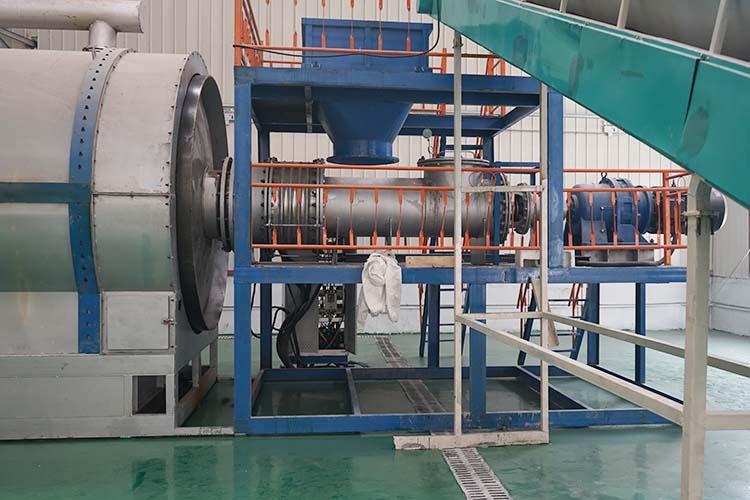
China Yongle Environmental Protection Engineering Special Research and Development "Grassroots Emergency Type" Medical Waste Treatment Equipment: The core adopts the "High Temperature Steam Ultraviolet Collaborative Sterilization" technology, with 119 ℃ saturated steam for 28 minutes, the sterilization rate reaches 99.999%, the waste volume reduction rate is 83%, and it can be safely buried. The equipment weighs only 56 kilograms and can be lifted by two people, suitable for motorcycle and canoe transportation in mobile medical stations; Adopting a dual drive system of battery and liquefied gas, it can operate continuously for 12 hours on a single charge in a non grid environment. It is equipped with safety signs and voice prompts in French, Lingala, and Swahili to reduce operational risks.
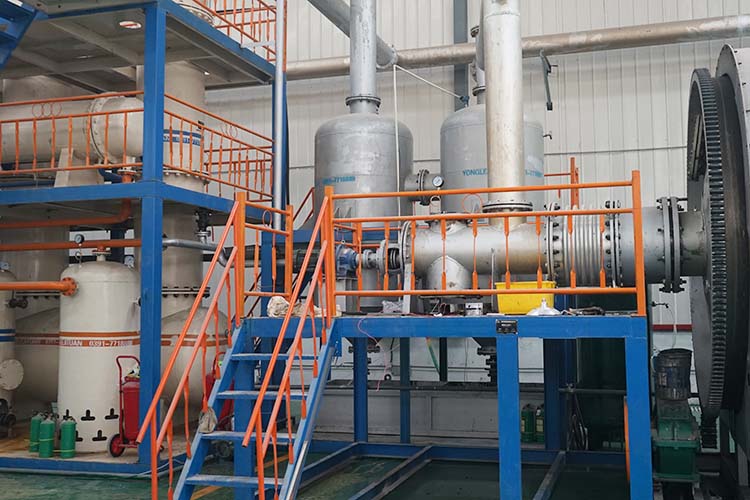
Full scenario coverage of medical needs: In Kinshasa University Hospital and Brazzaville Central Hospital, the daily processing capacity of multi unit linkage equipment is 380 kilograms, supporting the classification and treatment of infectious, chemical, and pathological medical waste; In the conflict areas of eastern Congo (Kinshasa), emergency equipment can be quickly deployed through humanitarian supply vehicles with a daily processing capacity of 200 kilograms to assist in epidemic prevention and disinfection; In rural clinics in Ali Province, Congo (Brazzaville), the daily processing capacity of mini equipment is 32 kilograms, and the operation guide includes text, images, and bilingual voice explanations, which can be mastered by medical staff in 20 minutes; In the medical point deep in the rainforest, moisture-proof and heat dissipation modules are added to the equipment to adapt to high temperature and high humidity conditions.
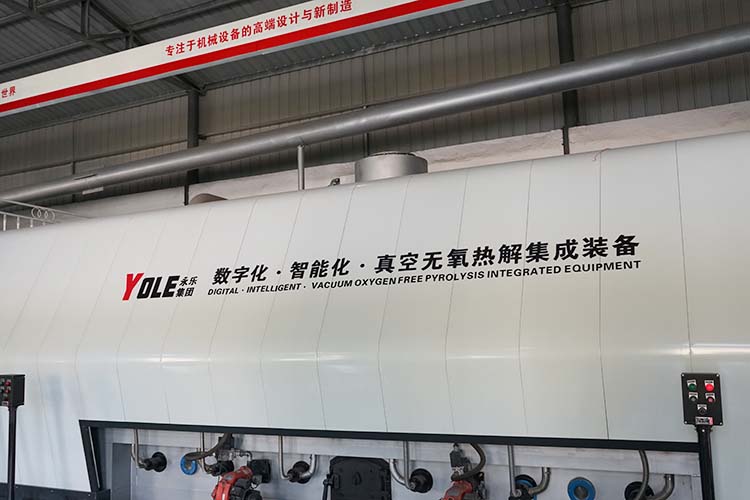
Local compliance support: The equipment has been certified by both the Ministry of Health and the Ministry of Environment of the two countries, assisting medical units in completing the filing of medical waste disposal. Set up training bases in Kinshasa and Brazzaville to provide free multilingual operation training. Commonly used spare parts are stored in the local bonded zone and covered by motorcycle logistics 24 hours a day in major cities. Remote areas rely on the medical public welfare network for emergency distribution. The cost of a single device is less than 21000 yuan, significantly reducing the compliance burden on primary healthcare facilities.
Yongle Environmental Protection is mainly engaged in the research and development, production and sales of complete sets of technical equipment for organic solid waste disposal and comprehensive utilization. Production and manufacturing, domestic waste treatment equipment, tire pyrolysis equipment, medical waste disposal equipment, hazardous waste disposal equipment, and achieve efficient and comprehensive utilization of resources through independently developed low-temperature anaerobic pyrolysis equipment technology solutions.
Tags:Congo medical waste problem: fully adapted to high temperature and high humidity,medical waste treatment equipment,YONGLE GROUP
 Latest news