


 2025-11-11
Indonesia is composed of over 17000 islands. Jakarta, Surabaya and other cities are densely populated, with scattered rural settlements. The annual household garbage output is over 60 million tons, of which kitchen waste accounts for 60% and plastic waste accounts for 22%. The local climate is tropical rain forest climate, with high temperature and rainy all the year round (annual precipitation of 2000-3000mm). Wastes stacked in the open air are easy to wash and pollute rivers and soils with rain, breeding dengue mosquitoes; The high temperature in the dry season (June to September) quickly decays the garbage and releases the odor and poisonous gas. In accordance with the Waste Management Law of Indonesia revised in 2021, it is required that the recycling rate of domestic waste in main cities shall exceed 30% by 2025, and the untreated landfill shall be prohibited. The traditional landfill occupies scarce land and the simple incineration pollutes air, so it is difficult to meet the compliance requirements. Therefore, it is necessary to introduce domestic waste treatment equipment suitable for high-temperature and rainy environment.
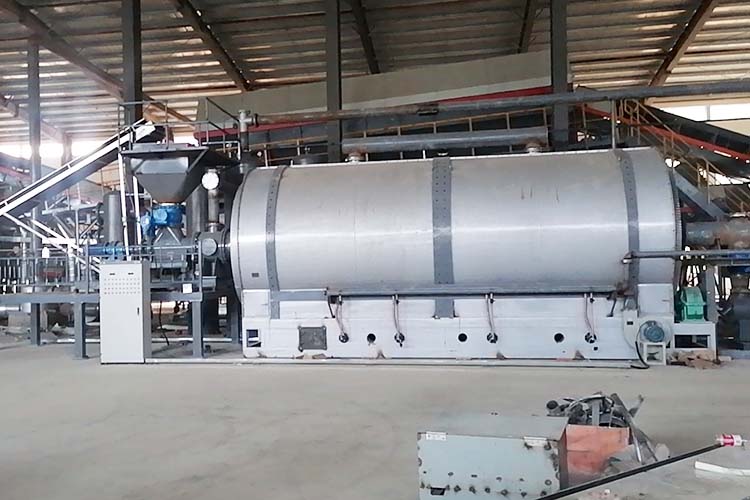
Special optimization of China Yongle Environmental Protection Project based on Indonesian garbage characteristics and climate characteristics: the core adopts the composite process of "anaerobic fermentation+pyrolysis and gasification", the biogas generated by kitchen waste fermentation can be converted into electrical energy or biogas, which is suitable for the current situation of power shortage in some areas of Indonesia, and the derived fuel (RDF) generated by pyrolysis of hard-degradable plastics can be supplied to the local cement plant, the overall resource utilization rate is over 53%, far exceeding the local requirements; In view of the rainy weather all the year round, the main body of the equipment is of anti-corrosion and waterproof steel structure, and the pretreatment stage is equipped with a three-level module of "sieving - extruding - dewatering" to reduce the water content of kitchen waste to less than 26%, so as to avoid equipment failure and sludge leakage caused by rainwater; For high temperature and humidity, the electrical system is equipped with forced heat dissipation and moisture-proof devices to ensure stable operation at 40 ℃ and humidity of 85%.
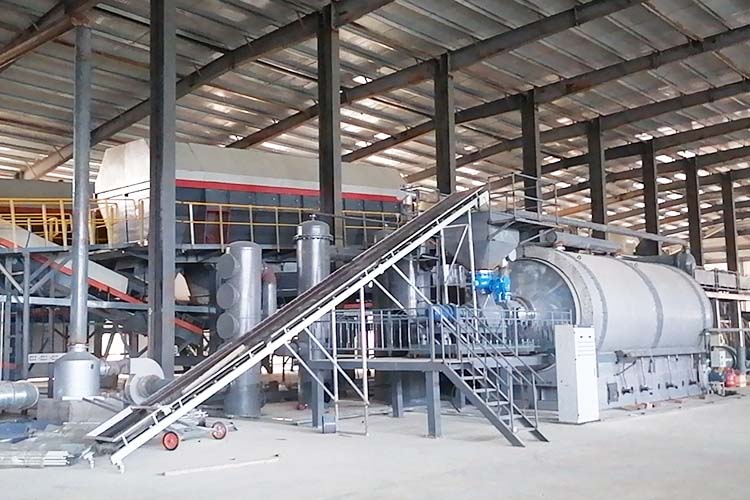
Application scenarios cover the whole region: in large cities such as Jakarta and Surabaya, multiple units cooperate to realize the centralized treatment of 500-800t/d garbage. Biogas can be supplied to surrounding communities or small factories. Fermentation residues are processed into organic fertilizers, meeting the demand of large agricultural countries in Indonesia; In such medium-sized cities as Bandung and Yogyakarta, the modular equipment only covers an area of 100 square meters, which can quickly connect with the existing garbage recycling points and reduce the transportation cost across islands; In remote islands and villages, small-sized equipment supports dual power supply of solar power and diesel generator, and the operation interface is equipped with bilingual Bahasa Indonesia and English. The staff can start after 1-2 days of training, and the daily processing capacity meets the daily needs of the village.
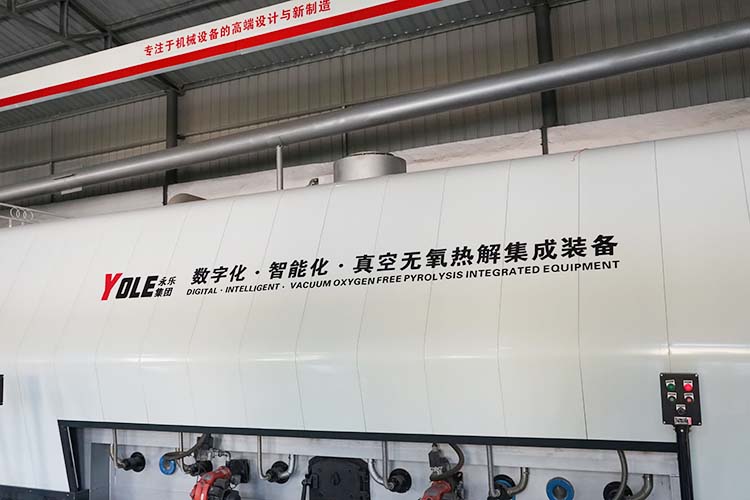
Aiming at the characteristics of scattered islands and large differences in infrastructure in Indonesia, we provide customized scheme: provide independent biogas power generation system for areas without grid coverage; Optimized equipment modular design for trans-sea transportation requirements to facilitate ship transportation. Two after-sales service centers are set up in Jakarta and Surabaya, equipped with spare parts suitable for tropical climate. The technical team can arrive at major cities within 48 hours after equipment failure, and respond within 72 hours in remote areas. Regular maintenance training is provided. The operating noise of the equipment is lower than 55dB, and the tail gas is triple purified by "desulfurization+activated carbon adsorption+bag-type dust removal", which meets the Indonesian atmospheric environmental protection standards and meets the environmental requirements of residential areas and scenic spots. We are looking forward to cooperate with Indonesian municipal departments and environmental protection enterprises to build an efficient domestic waste treatment system with professional equipment and protect the ecological and living environment of a thousand islands.
Yongle Environmental Protection is mainly engaged in the research and development, production and sales of complete sets of technical equipment for organic solid waste disposal and comprehensive utilization. Production and manufacturing, domestic waste treatment equipment, tire pyrolysis equipment, medical waste disposal equipment, hazardous waste disposal equipment, and achieve efficient and comprehensive utilization of resources through independently developed low-temperature anaerobic pyrolysis equipment technology solutions.
Tags:Domestic waste treatment equipment contributes to compliance and recycling in Indonesia,household waste treatment equipment,YONGLE GROUP
 Latest news