



 2025-11-04
In Myanmar, the urbanization process is accelerating, and cities such as Yangon and Mandalay have dense populations, generating over 3 million tons of household waste annually. Among them, kitchen waste accounts for over 60%, and plastic and waste paper account for about 25%. The local area belongs to a tropical monsoon climate, with high temperatures and heavy rainfall throughout the year. During the rainy season (June to October), rainfall is concentrated, and garbage piled up outdoors is prone to infiltrate and pollute the soil and groundwater with rainwater, breeding mosquitoes and spreading diseases; During the dry season (November May), high temperatures cause rapid decay of garbage, releasing foul odors. At the same time, Myanmar has gradually improved its Waste Management Law in recent years, requiring major cities to achieve a domestic waste resource utilization rate of over 50% by 2025. Traditional landfill, which occupies farmland and pollutes water sources, and simple incineration, which has high carbon emissions, are no longer sufficient to meet demand. Therefore, introducing domestic waste treatment equipment suitable for high-temperature and rainy environments has become an inevitable choice.
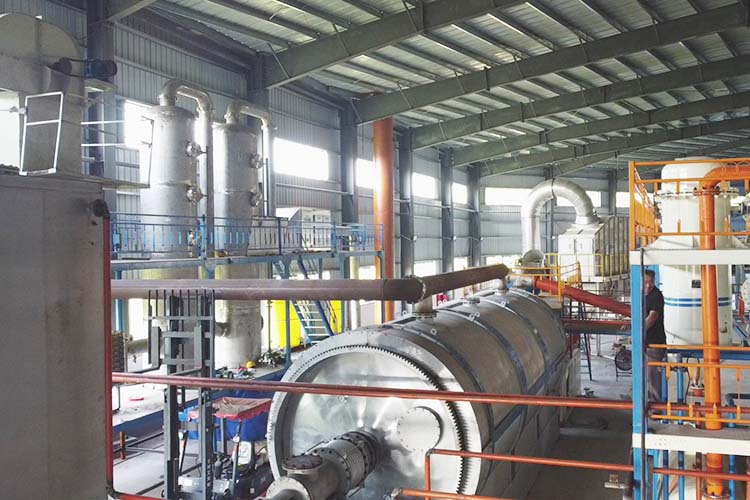
China Yongle Environmental Protection Engineering has been deeply involved in the field of environmental protection for many years, and has specially optimized equipment based on the characteristics of Myanmar's domestic waste and climate. Considering the rainy season, the main body of the equipment adopts a waterproof and anti-corrosion steel structure. In the pre-treatment stage, a "screening extrusion" two-stage dehydration module is installed to reduce the moisture content of kitchen waste to below 28%, avoiding equipment failure caused by rainwater; In response to the high temperature during the dry season, the electrical system is equipped with natural heat dissipation devices to ensure stable operation in an environment of 40 ℃. The core of the equipment adopts a composite process of "anaerobic fermentation+pyrolysis gasification". The biogas produced by anaerobic fermentation of kitchen waste can be converted into electricity to supply the community. Difficult to degrade plastics recover heat energy through pyrolysis gasification, with an overall resource utilization rate of over 55%, far exceeding the current requirements in Myanmar. The equipment operation process is simplified and adapted to the skill level of local operators.
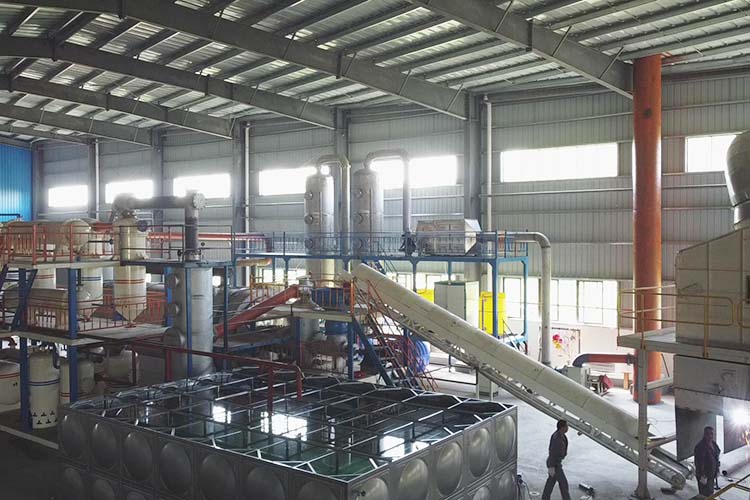
This device has flexible application scenarios in Myanmar, covering different scale areas. In major cities such as Yangon and Mandalay, multi unit collaboration can achieve daily centralized treatment of thousands of tons of garbage, and the produced biogas can meet 8% of the electricity demand of surrounding communities. Fermentation residue is processed into organic fertilizer to supply surrounding farmland, which meets the needs of Myanmar's agricultural powerhouse; In medium-sized cities such as Bagan and Naypyidaw, modular equipment can quickly connect with existing garbage collection points, reducing the cost of cross regional transportation of garbage; In remote towns, the miniaturized equipment covers an area of only 50 square meters, and the operation interface supports bilingual Burmese and English. The staff can easily handle the daily household waste generated in the town after 1-2 days of training.
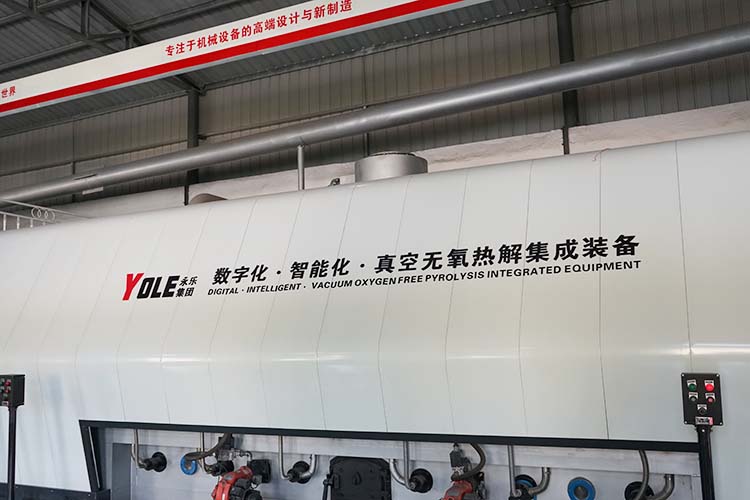
We can provide customized solutions to address the infrastructure differences in different regions of Myanmar, such as relatively complete overhead power grids and unstable power supply in remote towns. We can equip small generators for weak areas of the power grid to ensure continuous operation of the equipment. At the same time, we have established an after-sales service center in Yangon, equipped with spare parts suitable for tropical climates. In case of equipment failure, our technical team can arrive at the site within 24 hours for maintenance and operation training. In addition, the operating noise of the equipment is controlled below 55 decibels, and the exhaust gas is purified by "desulfurization+activated carbon adsorption", which meets Myanmar's atmospheric environmental protection standards and meets the environmental requirements of residential areas. We look forward to collaborating with Myanmar's municipal departments and environmental protection enterprises to provide professional equipment to help build an efficient domestic waste treatment system and improve the living environment in the local area.
Yongle Environmental Protection is mainly engaged in the research and development, production and sales of complete sets of technical equipment for organic solid waste disposal and comprehensive utilization. Production and manufacturing, domestic waste treatment equipment, tire pyrolysis equipment, medical waste disposal equipment, hazardous waste disposal equipment, and achieve efficient and comprehensive utilization of resources through independently developed low-temperature anaerobic pyrolysis equipment technology solutions.
Tags:Excellent domestic waste treatment equipment and Myanmar treatment system,household waste treatment equipment,YONGLE GROUP
 Latest news