


 2026-01-16
According to the Basic Law for Promoting the Formation of a Circular Society and the Waste Treatment and Cleaning Law, Japan has implemented a refined management model of "source reduction classification recycling full chain circulation", with the core goal of achieving a domestic waste resource utilization rate of over 75% and a landfill rate of less than 10% by 2035. At present, the daily average production of household waste is about 98000 tons, and major cities such as Tokyo and Osaka are facing the pressure of high-density community classified waste centralized treatment. Regions such as Hokkaido and Okinawa have high transportation costs due to regional dispersion. Organic waste accounts for 47% of the garbage, including a large amount of food processing residues, kitchen waste, and courtyard green waste. The climate is diverse and the population is dense throughout the region. Strict requirements are placed on equipment quietness, deodorization, miniaturization, and energy efficiency indicators, which must comply with JIS industrial standards and Top Runner energy-saving plan requirements.
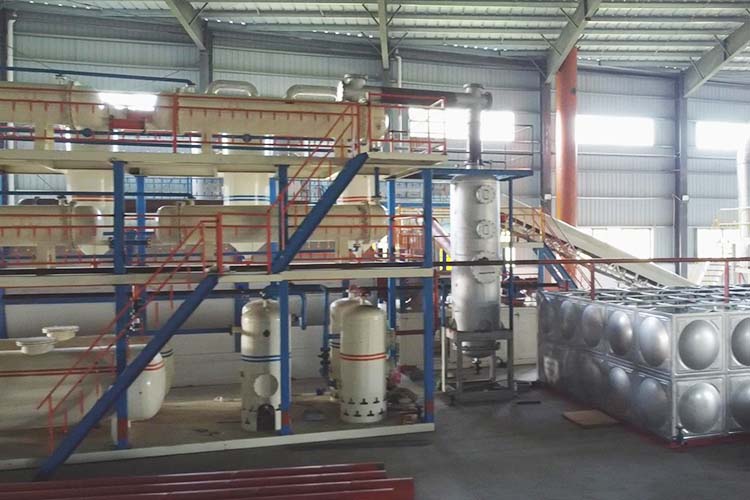
China Yongle Environmental Protection Engineering has developed a targeted "Japanese Standard Lean" household waste treatment equipment, which adopts a food grade stainless steel anti-corrosion compartment and a silent negative pressure deodorization system (operating noise ≤ 55dB), fully adapted to the dense scenes of residential areas in Japan. The emission indicators meet the JIS K 0099 exhaust gas standard and have successfully obtained the Eco Mark ecological mark certification. Equipped with a "photovoltaic grid dual drive+intelligent lean operation and maintenance module", the photovoltaic panel is adapted to the rainy and sunny conditions in Japan, equipped with a Japanese operation interface and remote monitoring system. It can upload and process data in real time to the local autonomous environmental protection platform, and automatically generate classified processing statistical reports. The core adopts the technology of "low-temperature anaerobic fermentation+biological drying". Food residue and courtyard green waste can be mixed and fermented for 12 days to produce high-quality organic fertilizers (in accordance with JIS K 6950 agricultural standards). Dry waste is intelligently sorted and recycled for plastics and metals, and the biogas produced by fermentation can supply 30% of the equipment's energy consumption, with an overall resource utilization rate of 81%.
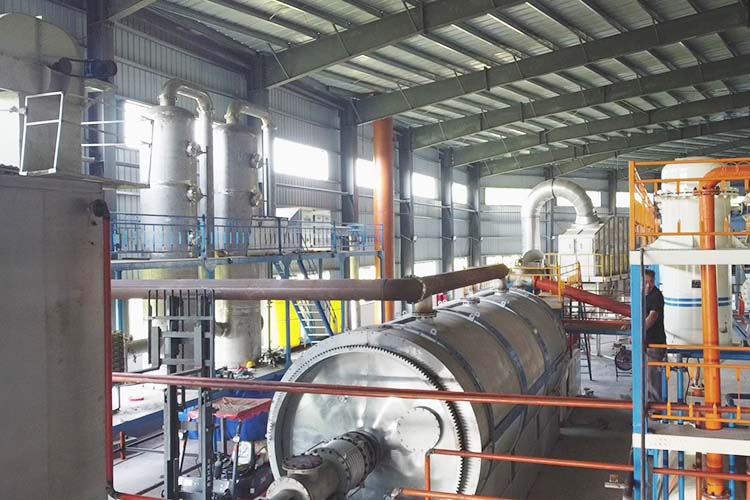
Suitable for Japanese style needs: In high-density communities in Tokyo's 23 wards, small cluster equipment with a daily processing capacity of 80 tons can accurately connect with combustible, non combustible, and organic waste recycling systems. It can handle kitchen waste packaged in biodegradable plastic bags, avoiding secondary pollution caused by classification; In the Osaka Food Industry Zone, mobile equipment has a daily processing capacity of 18 tons, specializing in the treatment of sushi processing residues and sake brewing by-products. The organic fertilizer produced is directly supplied to surrounding urban agricultural bases; In rural areas of Hokkaido, mini devices are designed to withstand cold and have a daily processing capacity of 7 tons. They can be transported by small light automatic vehicles to meet the needs of dispersed settlements; At tourist attractions in Okinawa, a seawater desalination wastewater collaborative treatment module has been installed to prevent pollution of the marine ecology by leachate.
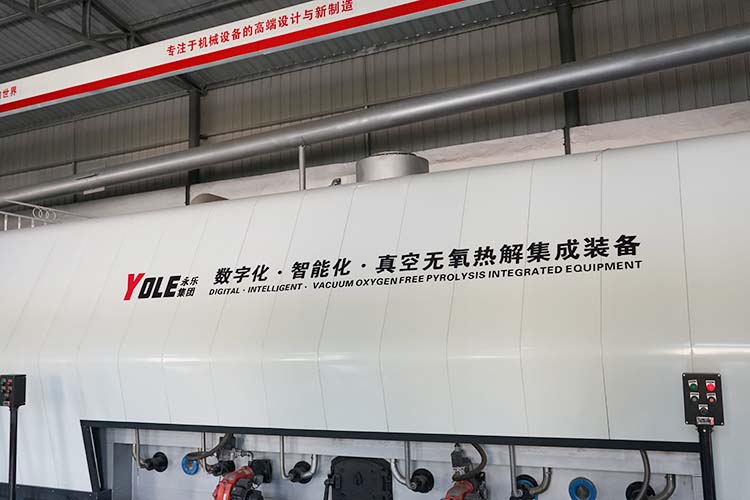
Local compliance and service guarantee: The equipment has passed JIS certification and Eco Mark certification, fully complying with the requirements of the Basic Law for Promoting the Formation of a Circular Society. Set up service centers in Tokyo and Osaka, relying on local logistics networks to achieve a 4-hour maintenance response in core cities, and complete spare parts distribution in remote areas through partners. We provide Japanese language operation training and interpretation services for Japanese environmental regulations. The equipment's energy efficiency meets the first level standard of the Top Runner program, and the operating energy consumption is 45% lower than traditional equipment, helping Japan deepen the construction of a circular society.
Yongle Environmental Protection is mainly engaged in the research and development, production and sales of complete sets of technical equipment for organic solid waste disposal and comprehensive utilization. Production and manufacturing, domestic waste treatment equipment, tire pyrolysis equipment, medical waste disposal equipment, hazardous waste disposal equipment, and achieve efficient and comprehensive utilization of resources through independently developed low-temperature anaerobic pyrolysis equipment technology solutions.
Tags:Japanese garbage equipment is quiet and deodorizing, suitable for residential areas,household waste treatment equipment,YONGLE GROUP
 Latest news