



 2025-11-28
As a "top student in environmental protection", Japan's revised Waste Management Law in 2024 further strengthens the principles of "reduction, resource utilization, and harmlessness". Core cities such as Tokyo and Osaka require 100% classification and recycling of household waste, with landfill rates controlled below 3%. Approximately 52 million tons of household waste are generated annually in China, with kitchen waste accounting for 45%. Due to an aging society, the elderly population has a prominent demand for convenient operation of waste treatment equipment. Japan has a narrow terrain and dense urban buildings, with a per capita living space of only 15 square meters. Traditional large-scale garbage treatment equipment faces the problem of "large land occupation and difficult transportation". Small, intelligent, and highly adaptable treatment equipment has become a must-have for municipal and household use.
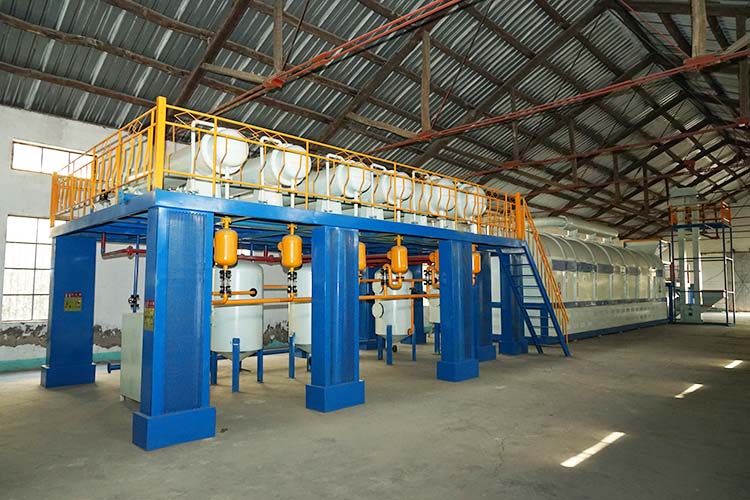
China Yongle Environmental Protection Engineering has developed customized equipment for "mini intelligence+classification and resource utilization": kitchen waste adopts "ambient temperature aerobic fermentation technology", which can operate stably in a wide temperature range of 15-30 ℃ without additional heating. The produced organic fertilizer meets Japan's JAS agricultural standards and can be directly supplied to urban agricultural parks; Recyclable materials such as plastics and paper are sorted using an "infrared spectroscopy sorting system" with a sorting accuracy of 99.2%. The recycled materials are suitable for the needs of Japan's precision manufacturing industry, with an overall resource utilization rate of 76%. The device is designed specifically for small people's homes, with a miniaturized module occupying only 5 square meters, equivalent to the size of 1.5 tatami mats. It supports wall mounted or floor mounted installation, and the operating interface is equipped with voice navigation and large fonts, making it easy for the elderly to get started.
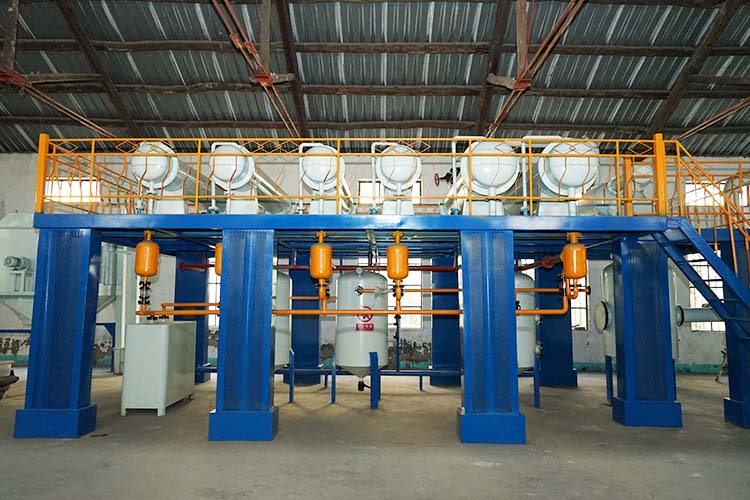
Full scene coverage of urban and rural areas as well as households: In mega cities such as Tokyo and Yokohama, community cluster equipment has a daily processing capacity of 80 tons and is equipped with an integrated "garbage disposal processing traceability" APP. Residents can scan the code to complete the classification and disposal records, and the data is directly connected to the supervision platform of the Ministry of Environment; In historical and cultural cities such as Kyoto and Nara, the equipment adopts noise reduction design (operating noise ≤ 40 decibels), and the appearance incorporates Japanese minimalist style, suitable for the surrounding environment of scenic spots and ancient buildings; In remote areas such as Hokkaido and Kyushu, mobile devices support snow transportation and are equipped with solar assisted power supply systems to solve the problem of garbage accumulation in remote villages; For household scenarios, the mini kitchen waste processor has a volume equivalent to a microwave oven and can be directly embedded in kitchen cabinets, with a daily processing capacity that meets the needs of 3-5 person households.
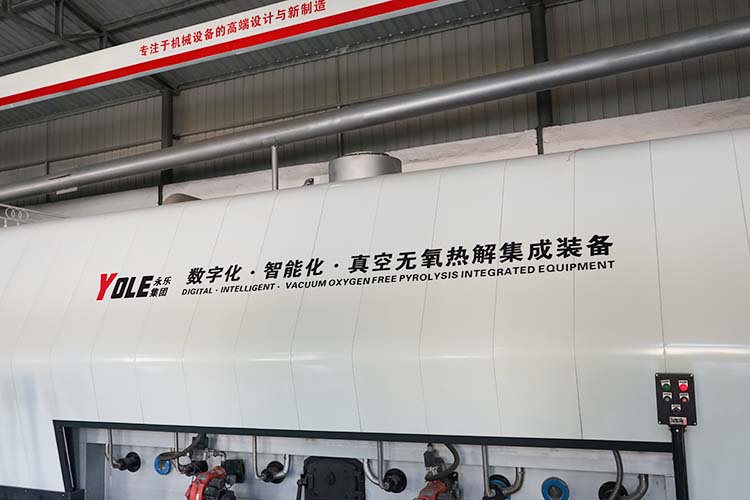
We provide full process compliance assurance: the equipment has been certified by the Japanese Ministry of Environment and JIS Industrial Standards, and we assist customers in completing the filing of the Waste Management Act. Two regional service centers have been established in Tokyo and Osaka to reserve specialized spare parts suitable for the Japanese climate. The main cities can respond quickly within 2 hours, and remote areas can arrive for maintenance within 24 hours. The equipment operates without any odor or leakage, and its exhaust emissions exceed the standards of Japan's Air Pollution Prevention and Control Law, helping Japan achieve its goal of a "waste free society by 2030" and providing efficient and convenient environmental solutions for families and communities.
Yongle Environmental Protection is mainly engaged in the research and development, production and sales of complete sets of technical equipment for organic solid waste disposal and comprehensive utilization. Production and manufacturing, domestic waste treatment equipment, tire pyrolysis equipment, medical waste disposal equipment, hazardous waste disposal equipment, and achieve efficient and comprehensive utilization of resources through independently developed low-temperature anaerobic pyrolysis equipment technology solutions.
Tags:Japanese garbage turning into fertilizer empowers urban agriculture,household waste treatment equipment,YONGLE GROUP
 Latest news