


 2025-12-02
The "Basic Law on Resource Recycling" to be implemented in South Korea in 2025 strengthens the goal of "zero landfill of garbage". Cities such as Seoul and Busan require residential communities to enforce the three categories of "kitchen waste dry waste recyclables" and impose a maximum fine of 100000 Korean won for illegal disposal. Approximately 68 million tons of household waste are generated annually in China, with kitchen waste accounting for 42%. Due to the high fat and high broth characteristics of Korean cuisine, kitchen waste is prone to spoilage and odor. The population density of cities in South Korea exceeds 500 people per square kilometer, with Seoul's Gangnam gu reaching 16000 people per square kilometer. Traditional large-scale processing equipment has prominent problems such as large land occupation and transportation disturbance. Small and highly integrated classification processing equipment has become a core demand for municipal and community services.
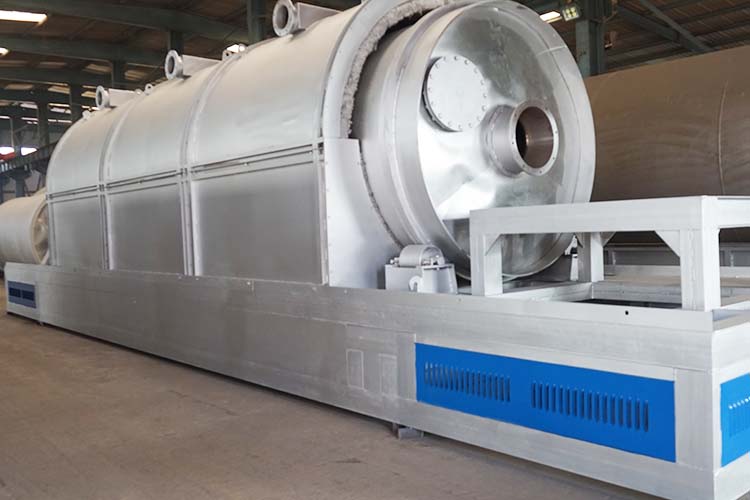
China Yongle Environmental Protection Engineering has developed a targeted "compact integration+directed conversion of kitchen waste" equipment: kitchen waste adopts "high-temperature aerobic fermentation+biological deodorization" technology, which efficiently degrades at 55-60 ℃ and converts into organic nutrient soil within 48 hours, meeting the South Korean KS F 4935 standard, and can be supplied to urban farms in Gyeonggi Province; Dry garbage is processed through "intelligent sorting+pyrolysis gasification" to generate heat energy that can meet the equipment's own operation. Excess electricity is connected to the community power grid, with an overall resource utilization rate of 75%. The device covers an area of only 8 square meters, equivalent to 2 standard parking spaces, and supports vertical installation to save space. The operation interface is equipped with Korean voice prompts and touch screen control, which is suitable for the needs of aging communities in Korea.
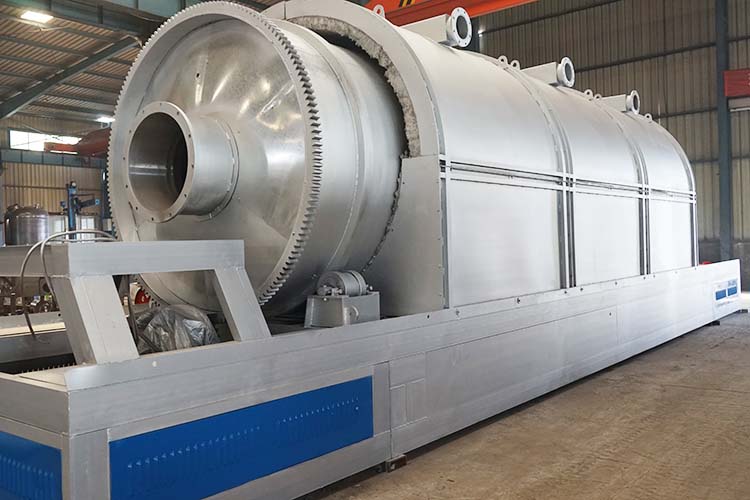
Full scene coverage of urban and rural areas: In mega cities such as Seoul and Incheon, community cluster equipment has a daily processing capacity of 120 tons and is equipped with a "garbage classification point system". Residents can accumulate points for redeeming recyclable materials for daily necessities, and the data is real-time connected to the "Resource Recycling Information Platform" of the Ministry of Environment; In tourist cities such as Jeju Island and Qingzhou, the appearance of the equipment incorporates traditional Korean patterns, and the operating noise is controlled below 42 decibels, suitable for scenic spots and homestay concentrated areas; In rural areas such as Gangwon Province and Jeollabuk Province, mobile devices support mountain transportation and utilize straw from farmhouses to assist in heating, with a daily processing capacity that meets the needs of 300 villages; For apartment scenarios, wall mounted kitchen waste processors can be embedded in balconies with a daily processing capacity of 5 kilograms, directly solving the problem of classifying small-sized apartments.
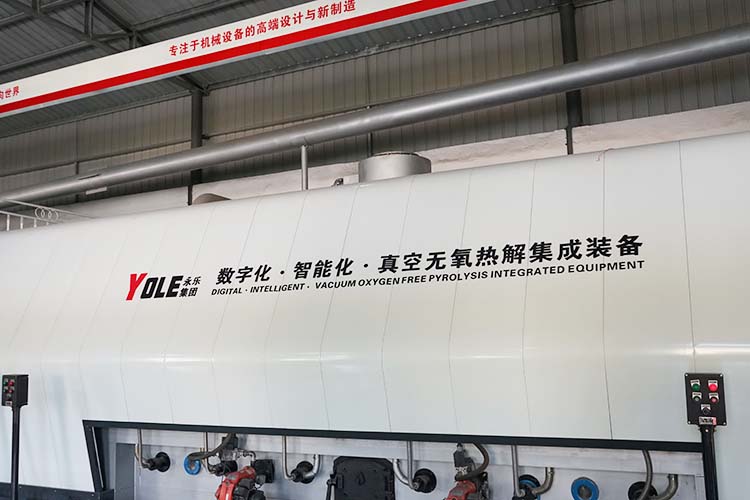
We provide full process compliance services: the equipment has been certified by the South Korean Ministry of Environment and KS Industrial Standards, and we assist the property management in completing the filing of the Resource Recycling Basic Law. Set up service centers in Seoul and Busan to reserve rust prevention spare parts suitable for monsoon climate. The main cities can respond quickly within 1 hour, and remote areas can be repaired 24 hours a day. The equipment operates without any odor leakage, and the exhaust emissions are better than South Korea's "Atmospheric Environment Standards", helping South Korea achieve the goal of "90% waste resource utilization rate" by 2030 and providing efficient solutions for high-density communities.
Yongle Environmental Protection is mainly engaged in the research and development, production and sales of complete sets of technical equipment for organic solid waste disposal and comprehensive utilization. Production and manufacturing, domestic waste treatment equipment, tire pyrolysis equipment, medical waste disposal equipment, hazardous waste disposal equipment, and achieve efficient and comprehensive utilization of resources through independently developed low-temperature anaerobic pyrolysis equipment technology solutions.
Tags:Korean garbage equipment solves the problem of kitchen waste sourness,household waste treatment equipment,YONGLE GROUP
 Latest news