


 2025-12-04
The distribution of medical and health resources in Myanmar is uneven, with over 80% of hospitals concentrated in major cities such as Yangon and Mandalay. Rural areas are mostly small clinics, generating approximately 120000 tons of medical waste annually, with infectious waste accounting for 55%. According to the Environmental Protection Law and regulations of the Ministry of Health, medical waste needs to be disinfected before disposal, and the sterilization rate of infectious waste needs to reach 99.9%. However, clinics in remote areas often mix medical waste with household waste due to a lack of professional equipment, exacerbating the risk of disease transmission. According to United Nations data, over 500000 people in Myanmar have difficulty accessing high-quality medical services, putting pressure on the healthcare system to meet the core requirements of "low cost, easy operation and maintenance, and high security" for equipment.
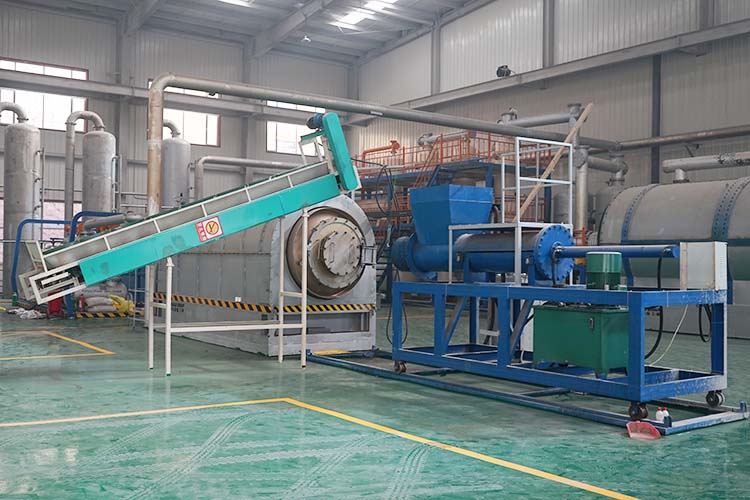
China Yongle Environmental Protection Engineering Special Research and Development "Simple, Efficient, and Safe Sterilization" Myanmar Customized Equipment: The core adopts "high-temperature dry heat sterilization technology", and the equipment structure is simplified to two operating modules, without the need for complex parameter settings. The sterilization process can be completed with one click. After 40 minutes of high-temperature operation at 120 ℃, the sterilization rate reaches 99.99%, and the waste volume reduction rate after treatment reaches 75%. It can be safely buried. The equipment is made of corrosion-resistant stainless steel material to prevent leakage and corrosion of medical waste. It is equipped with a specialized storage box for sharp tools to avoid scratches by operators; For small clinics, design a "mini mobile model" with a volume equivalent to only 2 medical refrigerators, which can be transported by motorcycle to solve the problem of transportation in remote areas.
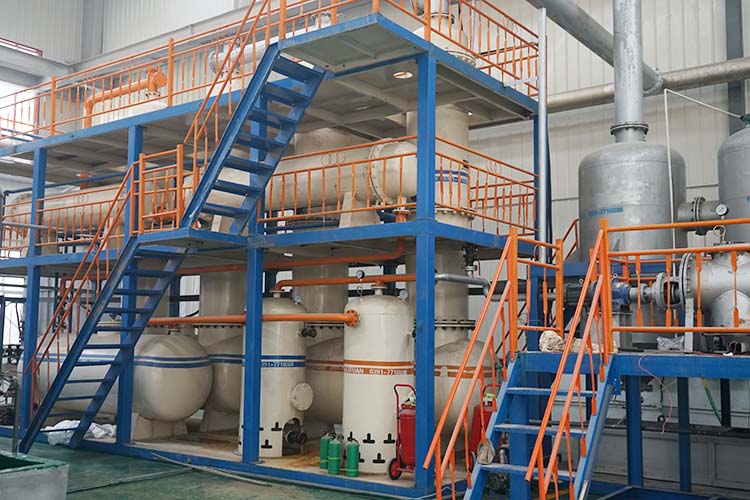
Accurate adaptation to diverse medical scenarios: In large institutions such as Yangon General Hospital and Mandalay General Hospital, the daily processing capacity of multi unit equipment reaches 200 kilograms, supporting the classification and treatment of infectious and pathological waste. It is equipped with medical waste special packaging bags labeled in Burmese, which comply with the regulations of the Ministry of Health; In private hospitals located in the Yangon medical tourism area, odor adsorption modules have been installed to operate without irritating odors, enhancing the medical experience; In clinics located in remote areas such as Kachin and Shan states, mini devices have a daily processing capacity of 30-50 kilograms and are powered by both batteries and solar energy. They can operate without connecting to the power grid, and the operation guide is equipped with text, images, and video tutorials; In disaster rescue scenarios such as earthquakes, emergency mobile devices can be quickly deployed with a daily processing capacity of 100 kilograms to assist in epidemic prevention in disaster areas.
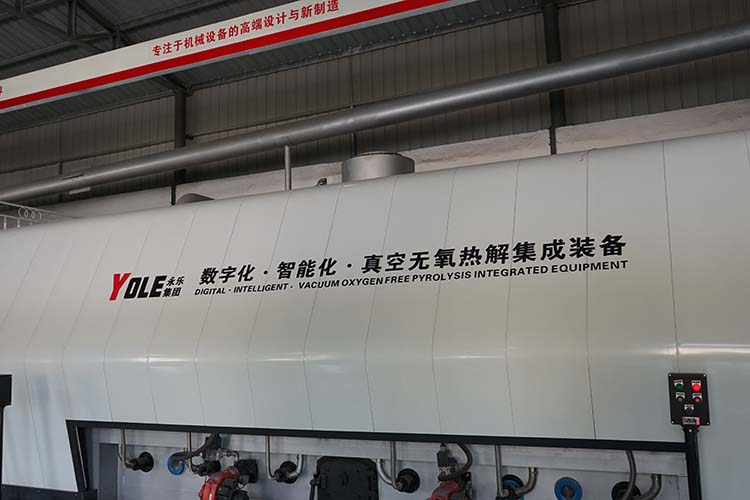
We provide localized service support: the equipment has been registered and certified for basic safety by the Myanmar Ministry of Health, assisting customers in completing the registration process for medical waste disposal. Set up a training center in Yangon to provide free operational training for medical staff and distribute Burmese language safety manuals. Commonly used spare parts are stored in the Yangon Free Trade Zone and delivered to major cities 24 hours a day through local logistics. In remote areas, the "township agency point" model is used to reserve core accessories. The equipment procurement cost is low, with an average annual operation and maintenance cost of less than a thousand yuan, significantly reducing the burden on medical institutions and helping to improve Myanmar's medical waste management system.
Yongle Environmental Protection is mainly engaged in the research and development, production and sales of complete sets of technical equipment for organic solid waste disposal and comprehensive utilization. Production and manufacturing, domestic waste treatment equipment, tire pyrolysis equipment, medical waste disposal equipment, hazardous waste disposal equipment, and achieve efficient and comprehensive utilization of resources through independently developed low-temperature anaerobic pyrolysis equipment technology solutions.
Tags:Low cost adaptation clinic for medical waste equipment in Myanmar,medical waste treatment equipment,YONGLE GROUP
 Latest news