


 2025-12-10
Malaysia has implemented the Environmental Quality Regulations and the "11 Malaysia Plan", with a clear goal of achieving a 35% domestic waste resource utilization rate by 2030. Cities such as Kuala Lumpur and Penang have implemented a "source classification" system, with a maximum fine of 50000 ringgit for illegal dumping. The daily production of household waste in the country is 33000 tons, with kitchen waste accounting for 33.6%, of which 76% are inedible parts such as bones and fruit peels. The tropical rainforest climate (with an average annual temperature of 27 ℃ and humidity of 80%) accelerates garbage decay. Due to dense rainforests, transportation costs in the Sabah and Sarawak regions of East Malaysia are 40% higher than those in the peninsula. Equipment for miniaturization, on-site conversion, and adaptation to the palm industry has become a core demand.
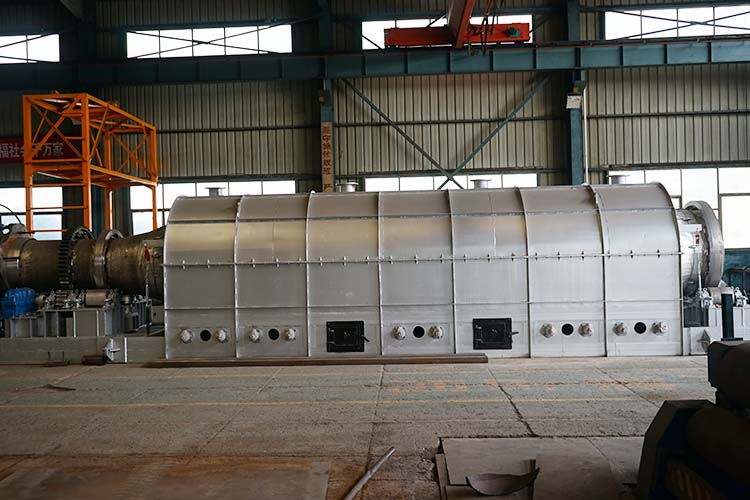
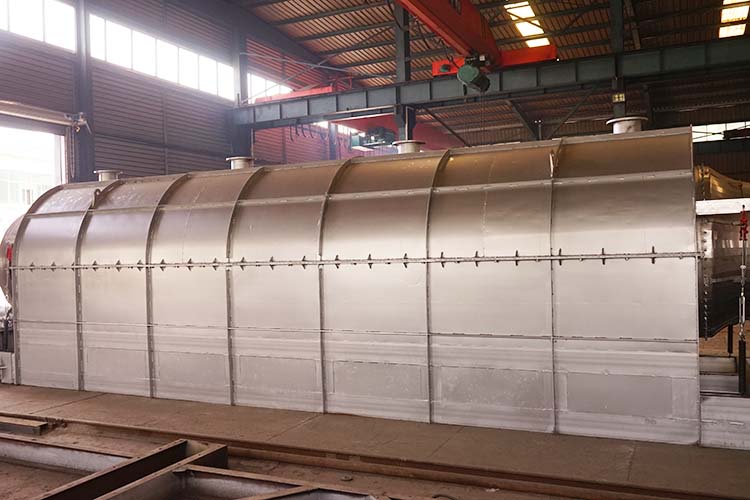
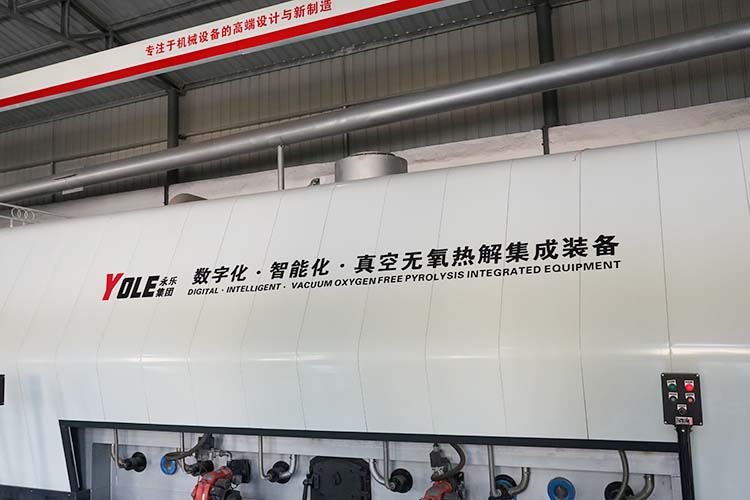
China Yongle Environmental Protection Engineering has developed customized equipment for "palm garden adaptation+high-value utilization of kitchen waste": adopting a "stainless steel anti-corrosion cabin+photovoltaic grid dual drive" design, the cabin can withstand the high humidity environment of palm planting areas, the photovoltaic panels are adapted to strong equatorial sunlight, and the daily power supply covers 45% of the equipment's energy consumption, reducing operating costs; The core is equipped with a "biological fermentation+palm residue collaborative treatment" system, which mixes kitchen waste with empty palm fruit clusters for 7 days of fermentation, converts them into organic fertilizers (in accordance with the MS standards of the Malaysian Ministry of Agriculture), and supplies them to palm plantations in Pahang state; Dry garbage undergoes "low-temperature pyrolysis" treatment, with a capacity reduction rate of 82%. The pyrolysis gas is used to heat the fermentation chamber, with an overall resource utilization rate of 75%.
Full scene coverage of urban and rural areas as well as planting areas: In high-density communities in Kuala Lumpur and Penang, the cluster equipment has a daily processing capacity of 100 tons, equipped with bilingual Malay/English operation interfaces, and the feed inlet is adapted to community garbage trucks. The leachate is discharged in compliance with standards through "membrane filtration+activated carbon adsorption"; In tourist areas such as Langkawi and Redwave Island, the appearance of the equipment is integrated with traditional Malay patterns, and the operating noise is ≤ 42 decibels. Palm shell activated carbon is used for deodorization to avoid affecting the tourism experience; In rainforest villages in Sabah and Sarawak, mobile devices can be transported by small trucks with a daily processing capacity of 15 tons, meeting the needs of 800 people. The compost products are directly supplied to the village's palm groves; In the palm plantation area of FGV Group, equipment is used to process waste from workers' living areas, and fertilizers are fed back to the growth of palm trees, forming a "planting life planting" cycle.
We provide compliance assurance: the equipment has been registered with the Malaysian Department of Environment (DOE) and certified for SIRIM electromagnetic compatibility, assisting in the completion of the "Waste Free Community" declaration. Set up service centers in Kuala Lumpur and Penang to store anti-corrosion parts and photovoltaic modules, with a 2-hour response time in the peninsula region. East Malaysia achieves 72 hour delivery of parts through regional warehousing and logistics cooperation. The equipment procurement cost is 38% lower than similar international products, and maintenance can be completed part-time by plantation workers. Regular maintenance guidance is provided through Malay language videos, helping Malaysia increase its existing recycling rate by 9.6%.
Yongle Environmental Protection is mainly engaged in the research and development, production and sales of complete sets of technical equipment for organic solid waste disposal and comprehensive utilization. Production and manufacturing, domestic waste treatment equipment, tire pyrolysis equipment, medical waste disposal equipment, hazardous waste disposal equipment, and achieve efficient and comprehensive utilization of resources through independently developed low-temperature anaerobic pyrolysis equipment technology solutions.
Tags:Malay garbage equipment dual drive solves the electricity problem in East Malaysia,household waste treatment equipment,YONGLE GROUP
 Latest news