



 2025-09-22
Laos is located in the northern part of the Indochina Peninsula and is the only landlocked country in Southeast Asia, with a population of approximately 7.647 million. 80% of its territory is mountainous and plateau, with a terrain that is high in the north and low in the south. It belongs to a tropical and subtropical monsoon climate, with the rainy season from May to October and the dry season from November to April of the following year.
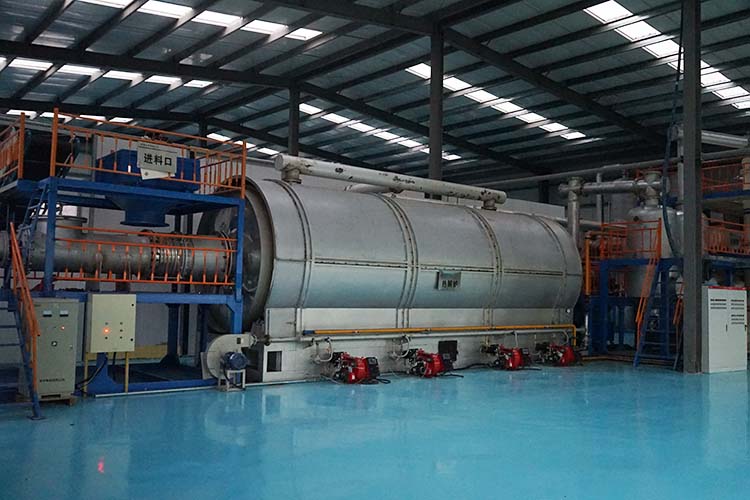
In terms of medical waste disposal, Laos faces many challenges. In cities, medical institutions are relatively concentrated, such as Vientiane City. With the development of medical services, a large amount of medical waste, including infectious waste and chemical waste, is generated daily. In remote areas, due to inconvenient transportation, scattered medical points, and lack of medical waste treatment infrastructure, a large amount of medical waste is indiscriminately discarded or simply buried without standardized treatment, which not only causes serious pollution to soil and water sources, but also threatens the health of local residents.
As a professional team deeply involved in the field of organic solid waste treatment, we integrate diverse capabilities such as technology research and development, equipment manufacturing, engineering construction and operation, and consulting services. We conduct in-depth research on Laos' geographical environment, climate conditions, distribution of medical resources, and environmental protection needs, and carefully develop medical waste treatment equipment that is highly adapted to Laos' national conditions.
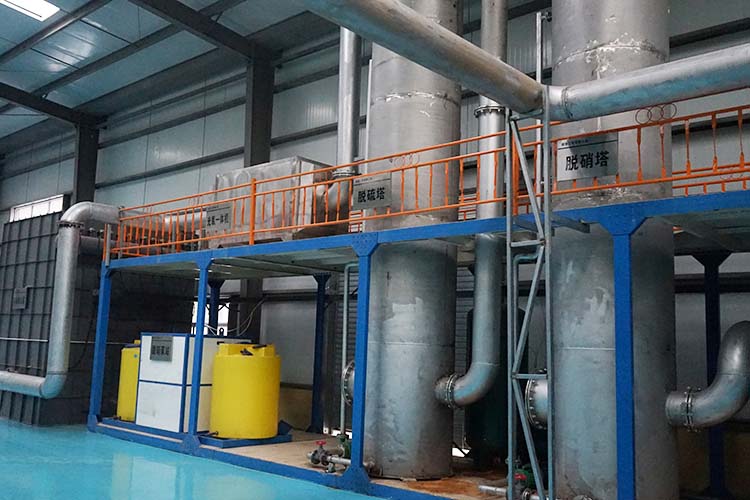
The equipment is based on advanced and mature pyrolysis gasification technology. After medical waste enters the pyrolysis furnace, the organic components gradually undergo pyrolysis and gasification in a precisely controlled oxygen deficient environment and specific temperature range (usually between 300 ℃ -800 ℃), converting into combustible gases, water vapor, and harmless slag, avoiding the generation of large amounts of harmful pollutants such as dioxins by traditional incineration methods from the source. After the combustible gas is fully mixed with air in the mixing chamber, it enters the secondary combustion chamber for high-temperature combustion above 1000 ℃, ensuring the complete decomposition of harmful substances and ensuring that the emissions fully comply with local environmental standards in Laos. The equipment is designed with full consideration of the climate and geographical conditions of Laos, using materials that are resistant to high temperatures, corrosion, and adapt to humid environments, effectively addressing the climate characteristics of humid rainy seasons and high temperatures in dry seasons. At the same time, equipped with an efficient waste heat recovery system, some of the heat generated during the treatment process is converted into usable energy, reducing the energy consumption of the equipment itself, which is in line with the tight energy supply situation in some areas of Laos.
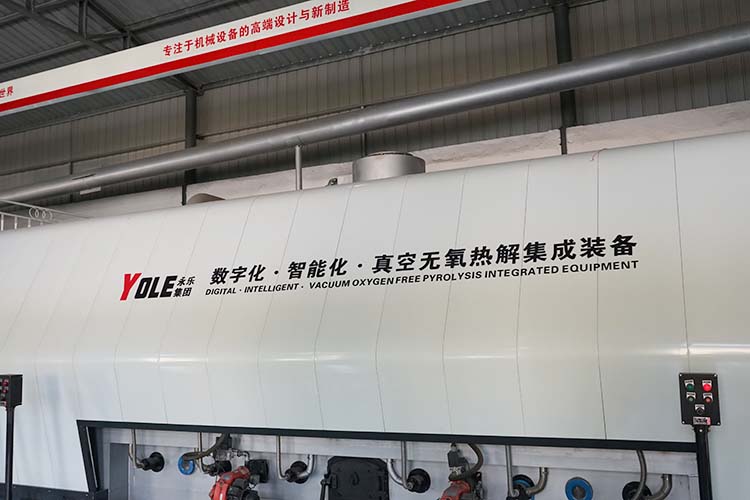
Considering the differences in medical scenarios in different regions of Laos, the equipment has excellent flexibility and adaptability. For large comprehensive hospitals in cities such as Vientiane and Luang Prabang, it is possible to achieve large-scale and efficient disposal of medical waste and improve overall processing efficiency by building centralized processing centers and equipping them with large-scale processing equipment. For small medical clinics in remote mountainous areas, such as rural clinics in Fengshali Province and Udomsa Province, specially designed miniaturized and mobile devices can timely dispose of medical waste on site, reducing the cost increase and leakage risk caused by long-distance transportation. Whether in humid and hot plain areas or remote high-altitude medical facilities, the equipment can operate stably and reliably, effectively solving the problem of medical waste disposal in different scenarios in Laos, helping the country gradually build a comprehensive, efficient, and environmentally friendly medical waste disposal system, and safeguarding public health and ecological environment.
Yongle Environmental Protection is mainly engaged in the research and development, production and sales of complete sets of technical equipment for organic solid waste disposal and comprehensive utilization. Production and manufacturing, domestic waste treatment equipment, tire pyrolysis equipment, medical waste disposal equipment, hazardous waste disposal equipment, and achieve efficient and comprehensive utilization of resources through independently developed low-temperature anaerobic pyrolysis equipment technology solutions.
Tags:Medical waste treatment equipment adapted to meet the needs of Laos,medical waste treatment equipment,YONGLE GROUP
 Latest news