



 2025-12-15
The number of motor vehicles in Cote d’Ivoire exceeds 8 million, and cocoa plantations and mining machinery consume over 2 million tires annually, generating approximately 650000 tons of waste tires each year. Commercial and agricultural machinery tires account for 68% of the total. According to the Environmental Code, outdoor burning of waste tires is illegal. Anaged is promoting a second-hand tire recycling project and plans to build a large recycling station in Abidjan. The local road infrastructure (such as the Abidjan Yamoussoukro Expressway) requires a large amount of modified rubber materials, cocoa plantations require puncture resistant agricultural tools, and traditional processing equipment can only recycle steel wire, with a resource utilization rate of less than 15%. Efficient recycling equipment has become a necessity for the industry.
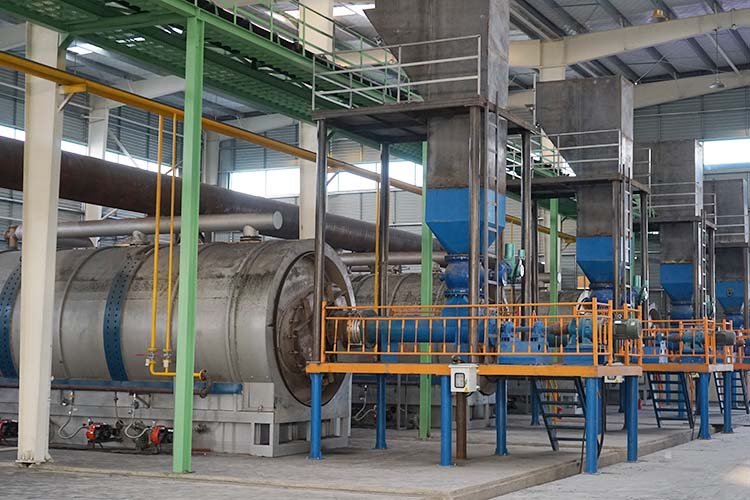
China Yongle Environmental Protection Engineering has customized a complete set of equipment for “efficient separation of steel and rubber+industrial adaptation” based on the characteristics of Ivory Coast waste tires. The pre-treatment stage adopts a “hydraulic shearing magnetic separation linkage” system to optimize the blade material for the wear resistance of agricultural machinery tires. The steel wire separation rate reaches 99.8%, which meets the standards of Ivory Coast Steel Association and is supplied to local steel plants; The core module enhances rubber strength through “low-temperature vulcanization technology”, producing 3-10mm recycled rubber particles with a compressive strength of 29MPa, which can be used to produce highway speed bumps and agricultural machinery liners for cocoa plantations, with an overall resource utilization rate of 96%. The equipment adopts a “diesel drive+simple mechanical structure” and can operate stably even in plantations without power grids.
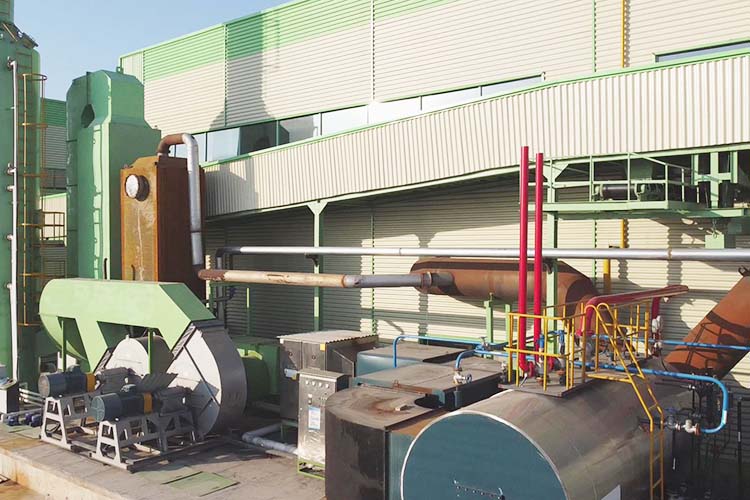
Multi scenario adaptation to industry needs: In the scrapped vehicle recycling park in Abidjan, the daily processing capacity of large equipment is 50 tons, and recycled rubber is directly supplied to the highway construction project department, forming a “waste tire recycling infrastructure” closed loop; In the central cocoa planting area, small equipment with a daily processing capacity of 8 tons processes waste tires into anti slip shoes for picking workers and sealing rings for irrigation pipelines, solving safety issues during rainy season operations; At the port of San Pedro, modular equipment is used to process waste tires from freight trucks, and the produced anti-collision strips are used for container protection at the port; At the Yamoussoukro scenic area, equipment processes waste tires into leisure seats and flower boxes, combining environmental protection and landscape value.
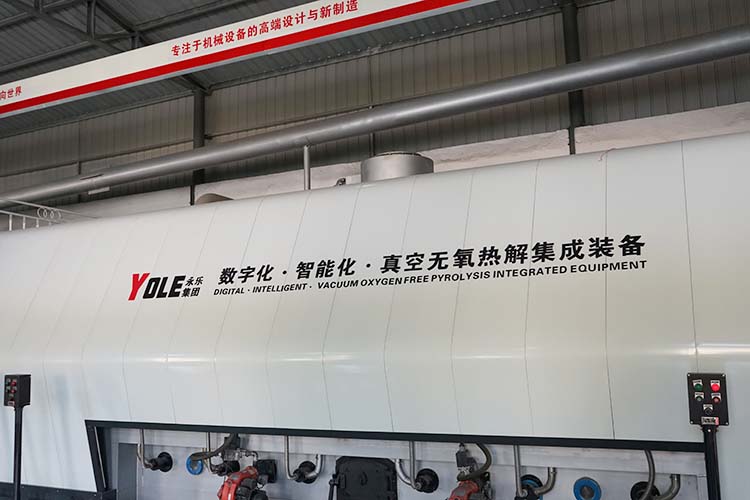
Compliance and industrial synergy guarantee: The equipment has been registered with the Ivorian Ministry of Environment and meets the requirements of Anaged’s circular economy project. Set up a service station in Abidjan and collaborate with the Ivory Coast Cocoa Growers Association to provide equipment rental services. Equipped with a French technical team, on-site guidance and debugging are provided. The core components adopt universal specifications and can be quickly replaced in the local hardware market after damage. The equipment operates with a sprinkler dust reduction device, and the exhaust gas is discharged after desulfurization treatment, helping Cote d’Ivoire reduce waste tire pollution and provide low-cost raw materials for infrastructure and agriculture.
Tagsï¼The problem of recycling equipment for waste tires in China has been fully solved,waste tire refining equipment,YONGLE GROUP
 Latest news