



 2025-12-12
The number of motor vehicles in the Philippines exceeds 18 million, with coconut plantations and fishing machinery consuming over 4 million tires annually. About 800000 tons of waste tires are generated each year, with commercial and agricultural machinery tires accounting for 65%. According to RA 9003, the Philippines prohibits open burning of waste tires and requires a recycling rate of 80% for waste tires starting from 2025. Local coconut cultivation requires a large number of puncture resistant agricultural tools, and road infrastructure requires modified rubber materials. However, traditional disposal methods can only recycle a small amount of steel wire, resulting in serious resource waste. Efficient and renewable processing equipment has become a must-have for the industry.
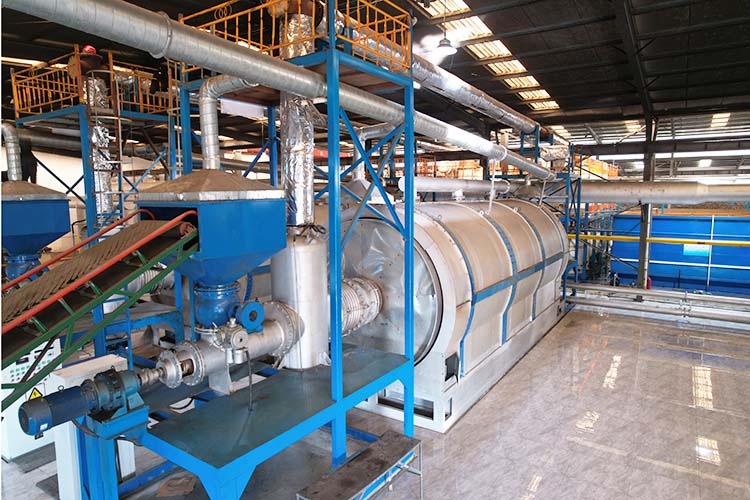
China Yongle Environmental Protection Engineering has customized a complete set of equipment for "steel rubber separation+coconut plantation infrastructure adaptation" based on the characteristics of Philippine waste tires. The pre-treatment stage adopts "hydraulic shearing+magnetic separation" technology to optimize the shear force for the wear resistance of agricultural machinery tires. The steel wire separation rate reaches 99.8%, which meets the standards of the Philippine Iron and Steel Institute (PISI) and is supplied to local steel plants for recycling; The core module processes rubber into 3-12mm particles, which can be easily vulcanized to produce coconut garden anti-skid shoes, agricultural machinery tire liners, highway speed bumps, and other products that meet the production needs of small workshops, with an overall resource utilization rate of 95%. The equipment adopts a "diesel drive+simple mechanical structure" and can operate stably even in plantations without power grids.
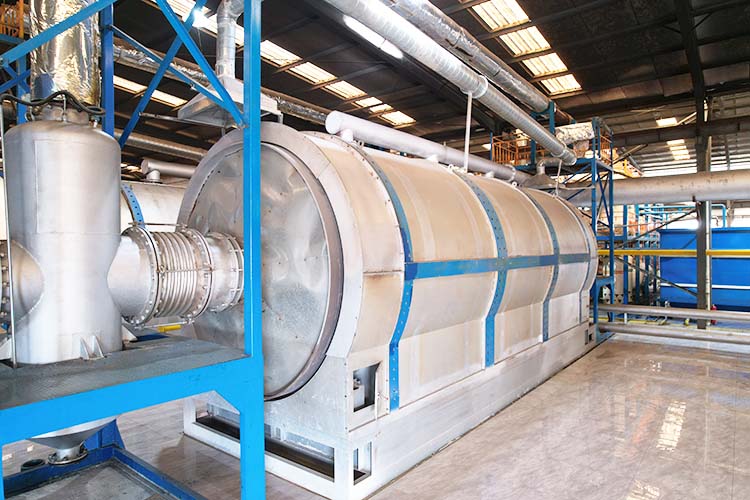
Diversified scenario adaptation to industry needs: At the scrap vehicle recycling points in Manila and Clark, the daily processing capacity of large equipment is 45 tons, and the separated steel wire is directly supplied to the steel plant, while the rubber particles are supplied to the coconut plantation product processing plant, forming a "recycling processing" closed loop; In coconut plantations in Luzon and Visayas, small equipment with a daily processing capacity of 6 tons processes waste tires into non slip shoes and mechanical pads for pickers, solving safety issues during rainy season operations; At the fishing ports of Manila Port and Cebu Port, modular equipment is used to process waste tires from fishing boats, and the anti-collision strips produced are used for protecting fishing boat docks; In the tourist areas of Boracay Island and Peppermint Island, equipment processes waste tires into scenic guardrails and leisure seats, combining environmental protection and landscape value.
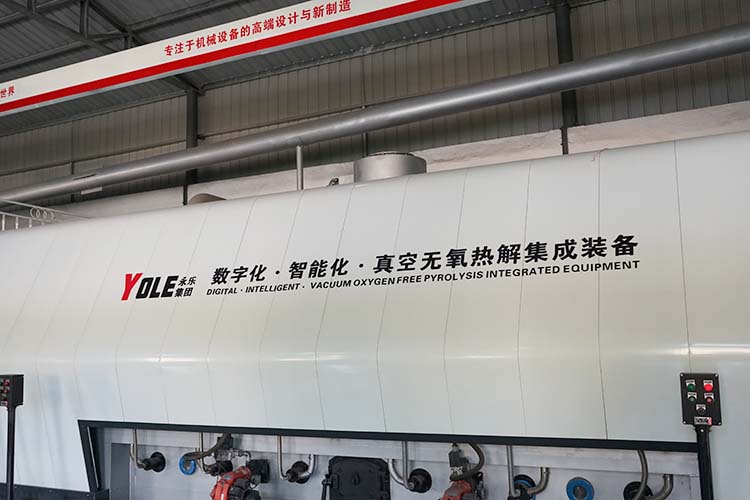
Compliance and industry synergy guarantee: The equipment has been registered with DENR and meets the requirements of RA 9003 initiative. Set up service stations in Manila and Davao, and collaborate with the Philippine Coconut Growers Association to provide equipment rental and technical support. Equipped with a Tagalog language technical team, on-site guidance is provided for equipment installation and debugging. The core components adopt universal specifications, and replacement parts can be purchased from the local hardware market in case of damage to reduce operation and maintenance costs. The equipment operates with a sprinkler dust reduction device, and the exhaust emissions comply with Philippine industrial pollution standards, helping the Philippines achieve the recycling of waste tire resources and providing low-cost raw materials for coconut plantations and infrastructure.
Yongle Environmental Protection is mainly engaged in the research and development, production and sales of complete sets of technical equipment for organic solid waste disposal and comprehensive utilization. Production and manufacturing, domestic waste treatment equipment, tire pyrolysis equipment, medical waste disposal equipment, hazardous waste disposal equipment, and achieve efficient and comprehensive utilization of resources through independently developed low-temperature anaerobic pyrolysis equipment technology solutions.
Tags:The waste tire equipment in the Philippines is powered by diesel and has no electricity available,waste tire refining equipment,YONGLE GROUP
 Latest news