



 2025-12-25
The number of motor vehicles in Venezuela exceeds 6 million, and oil and gas mining machinery, agricultural tractors, and freight trucks consume over 4 million tires annually, generating approximately 650000 tons of waste tires annually. Among them, mining tires, commercial tires, and agricultural machinery tires account for 80%. According to the Basic Law of Environmental Management, open-air burning of waste tires is illegal. Currently, efforts are being made to promote the development of the waste tire resource utilization industry, and a regional level recycling center is planned to be built in Maracaibo. Local road infrastructure (such as the Caracas Baquisimeto Expressway) and oil and gas extraction require a large amount of wear-resistant rubber materials. Traditional equipment can only recycle steel wire, and the resource utilization rate is less than 16%. Efficient recycling equipment has become a necessity for the industry.
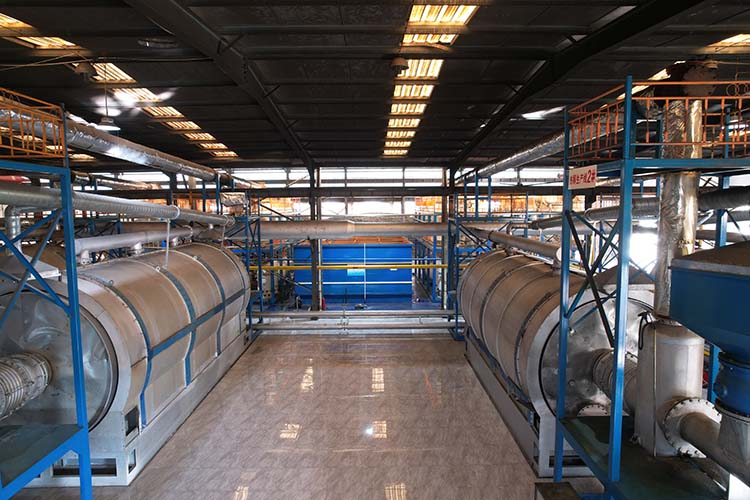
Customized "Oil and Gas/Infrastructure Adaptation" Waste Tire Processing Equipment for China Yongle Environmental Protection Engineering: The pre-treatment stage adopts a "hydraulic strong shearing+magnetic separation precision separation" system, which optimizes the material and cutting force of tungsten steel blades for the wear-resistant and thickening characteristics of mining tires and oil and gas mining machinery tires. The steel wire separation rate reaches 99.9%, which meets the recycling standards of the Venezuelan Steel Association and is supplied to local steel enterprises for recycling; The core adopts the technology of "low-temperature vulcanization+fiber separation", and the compressive strength of 3-10mm recycled rubber particles produced reaches 29MPa. It can produce oil and gas equipment seals, highway speed bumps, and agricultural irrigation pipeline seals, with an overall resource utilization rate of 96%. The equipment adopts "diesel drive+simple mechanical structure", which can operate stably in non grid mining areas and infrastructure construction sites.
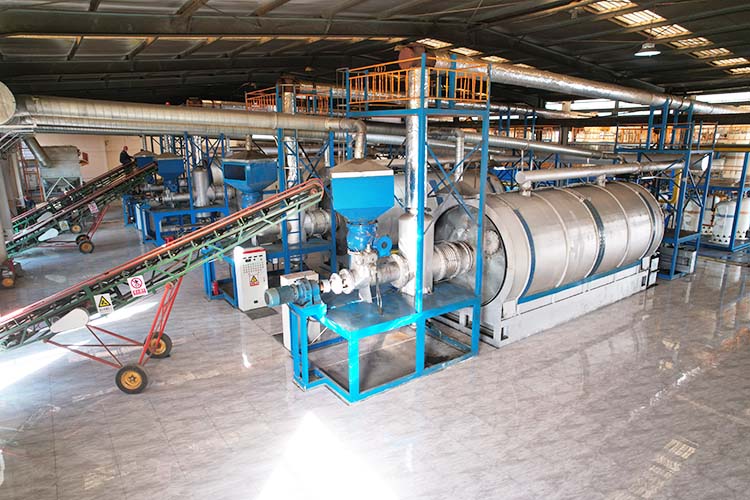
Full industry coverage: In the scrapped vehicle recycling park in Caracas, the daily processing capacity of large equipment is 55 tons, and recycled rubber is directly supplied to the high-speed infrastructure project department, forming a "waste tire recycling infrastructure" closed loop; In the oil and gas extraction area of Lake Maracaibo, small mobile equipment has a daily processing capacity of 10 tons. Waste tires are processed into wear-resistant pads for extraction equipment and anti slip shoes for workers, solving the safety problem of wet operations in the oil field; At the Port of Cabello, modular equipment is used to process waste tires from freight trucks, and anti-collision strips are produced for container terminal protection; Around the Angel Waterfall in the tourist attraction, the equipment processes colored waste tires into landscape chairs and walkway tiles, combining environmental protection and tourism value.
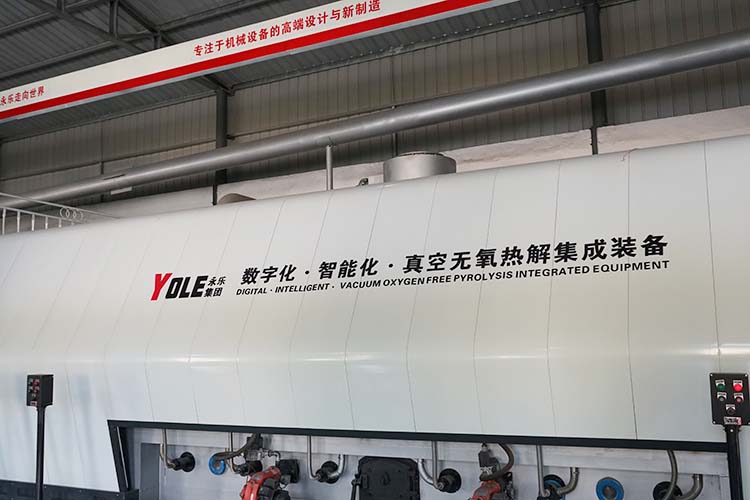
Compliance and Industry Collaboration: The equipment has been registered with the Venezuelan Ministry of Environment and meets the requirements of the waste tire resource utilization industry plan. Set up a service station in Maracaibo and cooperate with local oil and gas companies and infrastructure companies to provide equipment leasing services. Equipped with a Spanish language technical team to provide on-site guidance and debugging. The core components adopt universal specifications, and replacement parts can be directly purchased from the local hardware market. The equipment is equipped with a sprinkler dust reduction and exhaust gas desulfurization system, which meets environmental standards for emissions and helps reduce waste tire pollution.
Yongle Environmental Protection is mainly engaged in the research and development, production and sales of complete sets of technical equipment for organic solid waste disposal and comprehensive utilization. Production and manufacturing, domestic waste treatment equipment, tire pyrolysis equipment, medical waste disposal equipment, hazardous waste disposal equipment, and achieve efficient and comprehensive utilization of resources through independently developed low-temperature anaerobic pyrolysis equipment technology solutions.
Tags:The waste tire equipment in Venezuela is powered by diesel and has no electricity available,waste tire refining equipment,YONGLE GROUP
 Latest news