


 2026-03-20
Venezuela is an important country in South America. According to Law on Hazardous Substances, Materials and Wastes and Law on Solid Waste Management, Ministry of Eco-scoordinates the domestic waste supervision, explicitly prohibits dumping garbage into soil, groundwater and water bodies. It is required to gradually improve the whole chain system of garbage collection, transfer and treatment, and promote the harmless and recycling disposal of garbage. At present, the domestic garbage treatment in Venezuela is facing serious challenges. The capital Caracas and Valencia are seriously stacked with garbage, known as "garbage enclaves". The garbage on the street is stacked randomly and burned in the open air, which not only pollutes the air and soil, but also causes serious pollution to Rio Frio River, Maracaibo Lake and other water bodies. The annual volume of garbage washed into the Caribbean by Rio Frio River is nearly 20000 tons, and the Maracaibo Lake is polluted by a large amount of oily garbage and domestic garbage, threatening the ecological security. The garbage treatment infrastructure in this country is weak, and most cities lack standard garbage transfer stations and treatment plants, which can only complete the basic garbage collection and simple landfill. Affected by the economic fluctuation, the power supply is unstable, and the operation and maintenance funds are short. Therefore, a low cost, easy to operate, suitable for the local climate and in compliance with environmental protection regulations are urgently needed for the domestic garbage treatment equipment to help the garbage treatment and upgrading, and protect the water body and urban ecology.
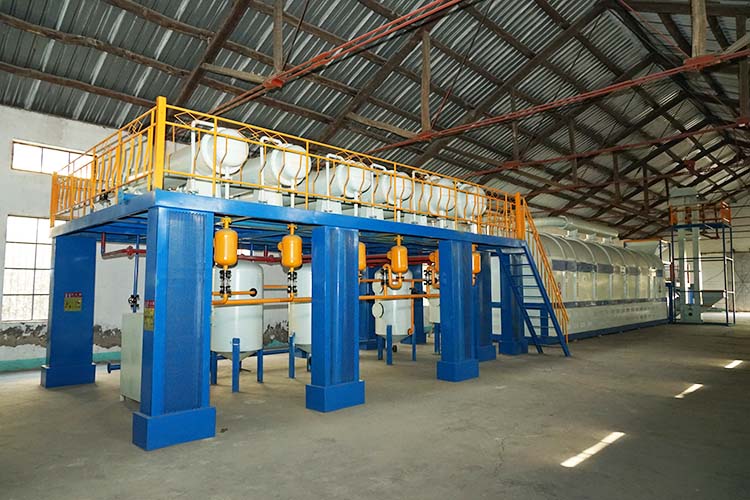
Targeted research and development of "Venezuela compliance, low cost and anti-fluctuation fund" domestic waste treatment equipment of China Yongle Environmental Protection Engineering Co., Ltd. accurately adapts to local waste treatment pain points and development status: the equipment strictly follows the Law on Hazardous Substances, Materials and Wastes and relevant environmental protection specifications, which can help customers to cooperate with the Ministry of Eco-s, complete compliance filing, avoid the penalty risk caused by illegal dumping of wastes, and comply with the requirements for harmless disposal of wastes. High-temperature and anti-corrosion materials are adopted, which can adapt to the tropical savanna climate in Venezuela, withstand high temperature and rainy weather, and avoid equipment failure due to moisture and corrosion; The system is equipped with "Grid-diesel-Solar Three-drive System", which can effectively deal with the problems of unstable local power supply and frequent power failure, ensure the continuous and stable operation of equipment, and the operation cost is 48% lower than that of traditional equipment, in line with the current situation of local operation and maintenance fund shortage. The core adopts the "simple sorting+high temperature aerobic fermentation" technology to optimize the characteristics of high proportion of food waste. The degradation rate of organic waste reaches 89%. The organic fertilizer produced by fermentation is suitable for the local agricultural planting demand. The recyclable materials (plastic, paper, etc.) are classified and connected to the local recycling points. The overall recycling rate reaches 83%, effectively reducing the landfill volume, easing the open air incineration and water pollution problems, and helping to solve the "garbage enclosure" problem.
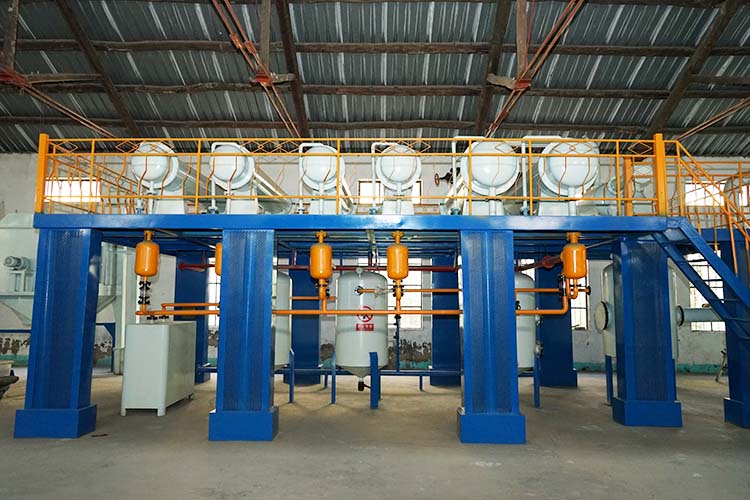
The whole scene is suitable for urban and rural and people's livelihood needs: in the downtown of Caracas, the daily processing capacity of modular equipment is 78 tons, which can be deployed in the garbage transfer station to automatically complete the garbage classification and fermentation treatment, help the local implement the garbage management and control requirements, reduce the accumulation of garbage on the street and relieve the urban pollution pressure; In small and medium-sized cities such as Valencia and Maracaibo, the daily processing capacity of small centralized equipment is 38t, the volume is compact, the installation is convenient, the garbage disposal points can be quickly established, and the current situation of weak urban garbage collection capacity can be adapted; In rural and remote areas, mini mobile equipment has a daily processing capacity of 9 tons, which is easy to operate without professional operation and maintenance personnel. Relying on diesel and solar energy drive, it can operate independently from the power grid, effectively solving the problem of random waste stacking and outdoor incineration. Fermentation organic fertilizer is directly supplied to local farmland, promoting the coordinated development of agriculture and environmental protection; In the Central Market of Caracas, food stall concentrated area and the vicinity of Lake Malacaibo, small equipment can handle fruit and vegetable wastes and coastal garbage in real time to avoid odor and mosquito breeding caused by garbage accumulation, reduce garbage entering the lake and protect ecological safety of water body.
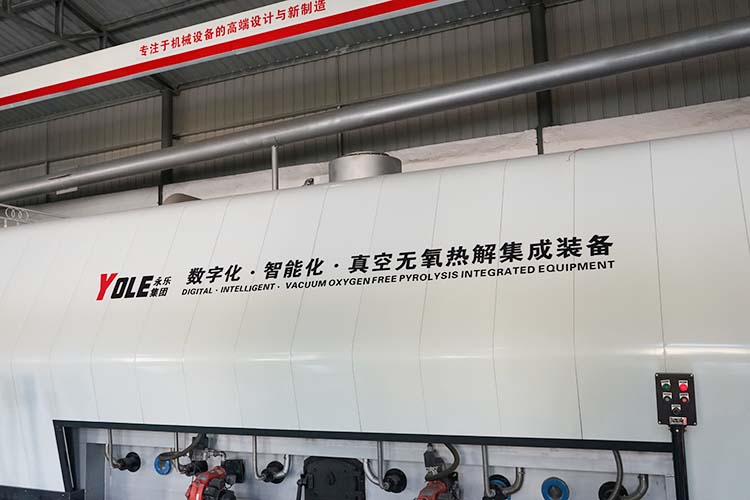
Compliance and localization service guarantee: the equipment fully complies with the Law of Venezuela on Hazardous Substances, Materials and Wastes and the relevant regulations on solid waste management, can assist customers in completing compliance filing, comply with the regulatory requirements of the Ministry of Eco-s, and avoid the risk of illegal fines. Establish a service station in Caracas, provide Spanish bilingual operation training, simplify the operation process and adapt to the operation and maintenance level of local personnel; Common specifications are adopted for core parts, and vulnerable parts can be purchased and replaced in Venezuela, greatly reducing operation and maintenance costs; With low procurement cost and short installation period, the equipment can be put into use quickly without complex supporting facilities. Meanwhile, the energy-saving design is optimized to reduce diesel and power consumption and further reduce the operation cost. Help Venezuela to promote the standardization of waste treatment, implement the water pollution control plan, improve the urban and rural environment, reduce the public health risks caused by waste pollution, promote the transformation of domestic waste from "random discarding" to "harmlessness and recycling", and comply with the national ecological protection strategy.
Yongle Environmental Protection is mainly engaged in the research and development, production and sales of complete sets of technical equipment for organic solid waste disposal and comprehensive utilization. Production and manufacturing, domestic waste treatment equipment, tire pyrolysis equipment, medical waste disposal equipment, hazardous waste disposal equipment, and achieve efficient and comprehensive utilization of resources through independently developed low-temperature anaerobic pyrolysis equipment technology solutions.
Tags:Waste Fertilizer Production in Venezuela Helps Local Agricultural Development,household waste treatment equipment,YONGLE GROUP
 Latest news