


 2025-10-30
In South Korea, the number of cars exceeds 25 million, and over 800000 tons of waste tires are generated annually. The tire production in the Seoul metropolitan area and Busan industrial belt accounts for over 70%. The local climate belongs to the temperate monsoon zone, and the high temperature and heavy rainfall in summer can easily cause the tires stored outdoors to age and release microplastics, polluting the soil and groundwater with rainwater; The low temperature in winter may make it difficult for traditional equipment to start, and South Korea strictly implements the Waste Management Law, prohibiting the landfill of tires that have not been resource treated. Traditional incineration methods have high carbon emissions and are prone to producing dioxins, making it difficult to meet current environmental requirements. Faced with the dilemma of "difficult compliance and low resource recycling efficiency", introducing waste tire refining equipment that is adapted to the climate and achieves "harmless+resourceful" has become a core requirement for Korean waste recycling enterprises and environmental protection departments.
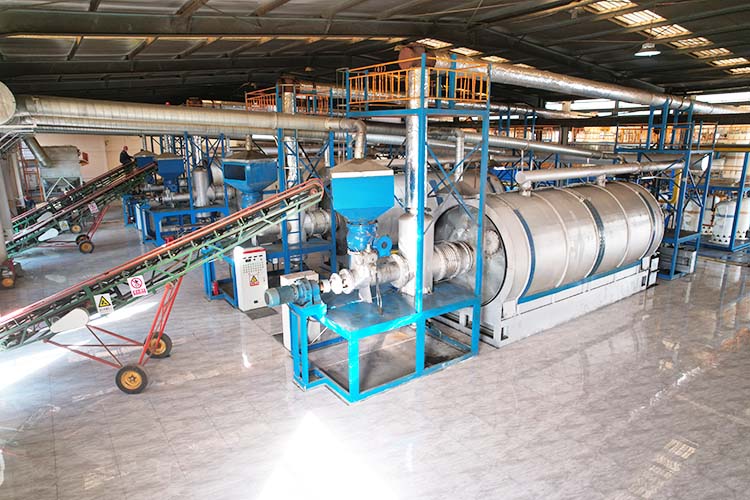
China Yongle Environmental Protection Engineering has been deeply involved in the research and development of environmental protection equipment for many years. Based on the characteristics of Korean waste tires and climate, the equipment is fully customized. Considering the high proportion of thin-walled tires in Korean passenger cars and the presence of metal fragments in some tires, a "precision biaxial crushing+magnetic separation" module is equipped in the pre-treatment stage to quickly crush the tires into uniform particles and separate metal impurities, with a metal recovery rate of over 99%; In response to the seasonal climate differences, the core unit of the equipment is made of high and low temperature resistant materials. In summer, the internal temperature is controlled to not exceed 45 ℃ through a forced cooling system. In winter, it is equipped with an intelligent preheating function, which can be started within 30 minutes in an environment of -10 ℃, ensuring stable operation throughout the year. The core of the equipment adopts the "low-temperature pyrolysis fractionation purification" process, which stabilizes the pyrolysis temperature at 400-450 ℃ through AI intelligent temperature control. The tire oil yield can reach over 43%, and the recovered pyrolysis oil meets the South Korean KS M 2410 industrial fuel oil standard, which can be directly supplied to local factories as boiler fuel.
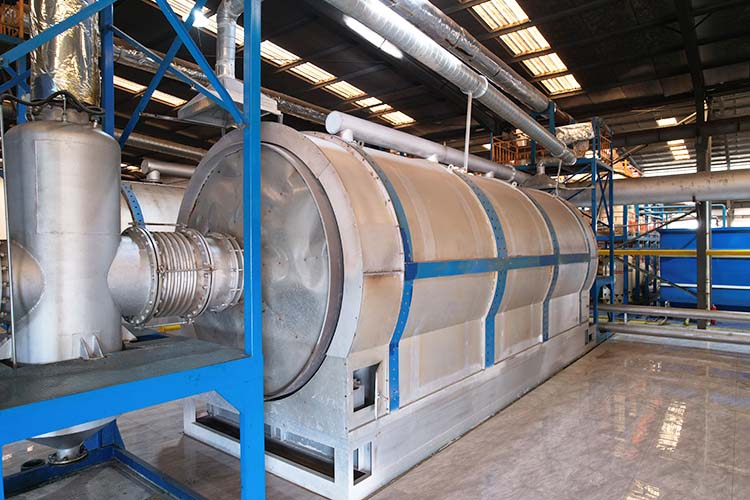
The application scenarios of this device in South Korea cover the entire industry chain, whether it is large-scale waste recycling centers around Seoul, regional environmental protection stations in Daejeon, or small recycling points in rural Jeju Island, they can be flexibly deployed according to the processing scale. In large-scale recycling centers, equipment can work collaboratively with multiple units to achieve a daily tire processing capacity of 15-20 tons. The resulting cracked oil can be supplied in bulk to surrounding industrial parks, and the separated carbon black can be further processed and used for rubber product production, in line with South Korea's circular economy concept; At medium-sized sites, modular equipment occupies only 120 square meters and can quickly connect with existing recycling networks, reducing tire transportation costs and leakage risks; At rural recycling points, the miniaturized equipment interface supports Korean language and is equipped with a one click start stop function. Local personnel can operate independently after one week of training, easily handling the small amount of waste tires generated by surrounding villages and towns.
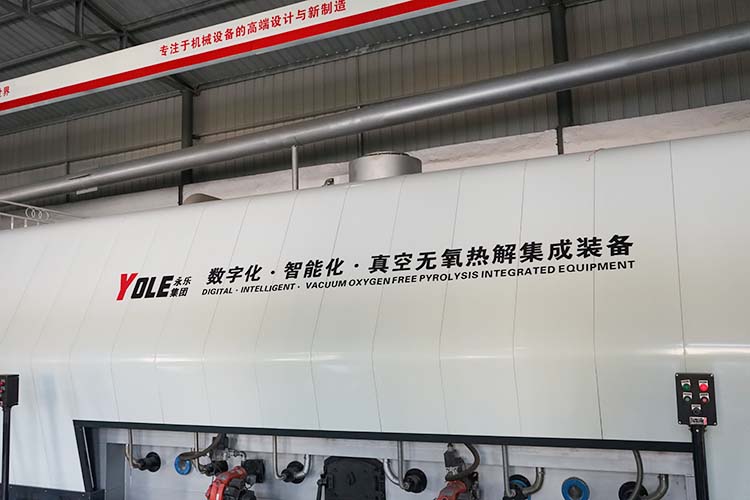
In response to the differences in environmental policies in different regions of South Korea, such as Seoul's stricter carbon emission requirements and Gangwon Province's emphasis on equipment low-temperature adaptability, we can provide customized solutions and assist in the entire process from equipment parameter adjustment to compliance document preparation. At the same time, we have an after-sales service center in Busan, South Korea. When equipment malfunctions, our technical team can arrive on site within 24 hours for maintenance. We also provide regular equipment maintenance and operator skill training services. In addition, the exhaust gas of the equipment is purified through four layers of "desulfurization+denitrification+activated carbon adsorption+bag dust removal", and the emission index is much lower than the Korean "Atmospheric Environment Standard". The operating noise is controlled below 60 decibels, which meets the environmental requirements of residential areas. We look forward to deepening cooperation with Korean waste recycling companies and environmental organizations, using professional equipment and services to help solve the problem of waste tire disposal in the local area, and promote green and sustainable development.
Yongle Environmental Protection is mainly engaged in the research and development, production and sales of complete sets of technical equipment for organic solid waste disposal and comprehensive utilization. Production and manufacturing, domestic waste treatment equipment, tire pyrolysis equipment, medical waste disposal equipment, hazardous waste disposal equipment, and achieve efficient and comprehensive utilization of resources through independently developed low-temperature anaerobic pyrolysis equipment technology solutions.
Tags:Waste tire refining equipment for customized services in South Korea,waste tire refining equipment,YONGLE GROUP
 Latest news