



 2025-11-19
As a global environmental benchmark country, Denmark has an urbanization rate of 88%, with highly concentrated populations in cities such as Copenhagen and Aarhus. The country generates over 3.3 million tons of household waste annually, with kitchen waste accounting for 45% and recyclable materials such as paper and plastic accounting for 38%. The local area has a temperate maritime climate, with mild and humid temperatures throughout the year and an average annual precipitation of about 860 millimeters. Soaking in rainwater can easily lead to pollution of groundwater sources by leachate from garbage; At the same time, Denmark is implementing strict carbon reduction policies, and the carbon emissions by 2030 need to be reduced by 70% compared to 1990. The carbon emission intensity of traditional waste disposal methods can no longer meet the requirements. According to the Danish Waste Framework Act, the resource utilization rate of household waste must remain stable at over 95%, the landfill rate must be strictly controlled within 1%, and it must comply with the full lifecycle management requirements of the EU's Circular Economy Action Plan. Efficient and low-carbon treatment equipment has become a must-have for urban operations.
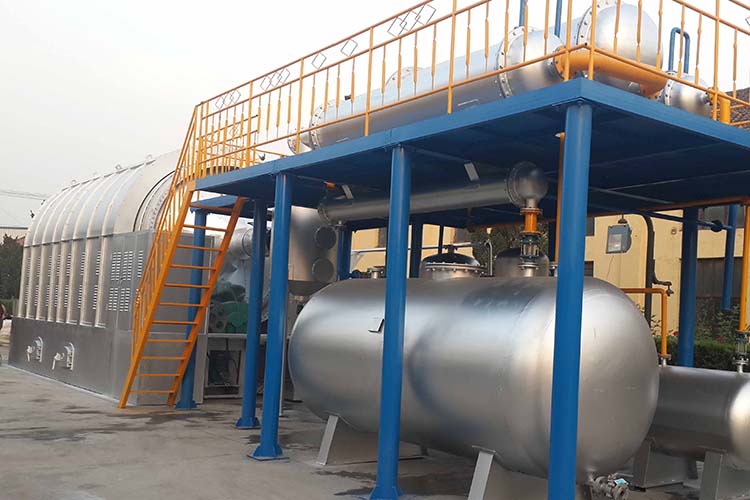
China Yongle Environmental Protection Engineering has developed a targeted integrated equipment for "anaerobic digestion of kitchen waste+precise sorting of recyclables": the biogas produced by medium temperature anaerobic fermentation of kitchen waste has a purity of over 97%, which can be directly connected to the Danish urban natural gas pipeline network or converted into biomethane for supply to the transportation field, in line with the local low-carbon energy strategy; Recyclable materials such as plastic and paper are sorted through the "intelligent spectral sorting+airflow separation" module, with a purity of 99%, fully compatible with Denmark's mature recycling and remanufacturing system, and an overall resource utilization rate of 98%, far exceeding regulatory requirements. For high humidity and windy environments, the equipment adopts a fully sealed negative pressure design and is equipped with a condensate water recovery system to avoid leakage of leachate and diffusion of odors; The core components are made of low-temperature corrosion-resistant materials to ensure stable operation in environments below 0 ℃ in winter.
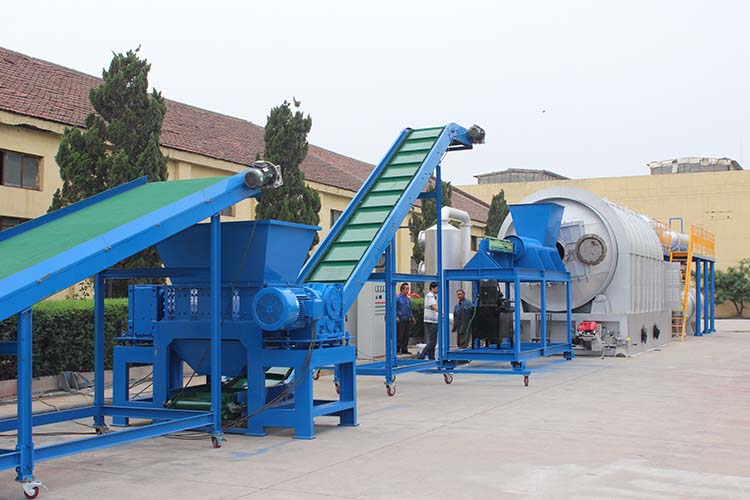
The entire scene is suitable for the urban and rural needs of Denmark: in metropolises such as Copenhagen and Aarhus, the daily processing capacity of clustered equipment reaches 400 tons, and the produced biogas can be supplied to urban public transportation fleets. The fermentation residue is further processed into organic fertilizer to supply the agricultural area of Zealand Island; In medium-sized cities such as Odense and Aalborg, modular equipment covers an area of only 75 square meters and supports seamless integration with existing garbage transfer stations. Through intelligent scheduling systems, garbage can be cleared daily; In remote rural areas, small distributed devices support wind energy assisted power supply, and the operation interface is equipped with bilingual guidance in Danish and English. The operation process has zero carbon emissions and is perfectly adapted to the ecological protection needs of rural areas.
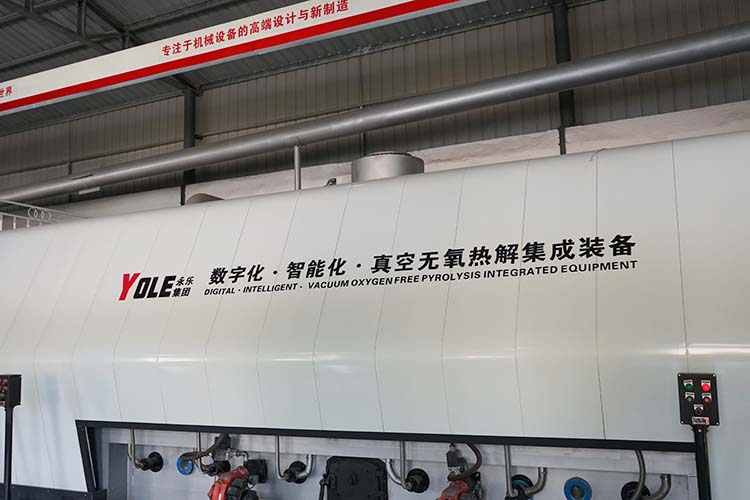
We deeply comply with Danish environmental standards and provide customized services: assist clients in completing EU CE certification and Danish Environmental Agency filing, and ensure that equipment emission indicators meet EU ECOLABEL standards. Establish a regional service center in Copenhagen, reserve sufficient spare parts, provide 24-hour fault response nationwide, and regularly provide equipment carbon footprint monitoring and optimization suggestions. The equipment's operating noise is controlled below 45 decibels and can be safely deployed around residential areas, helping Denmark achieve its "2050 carbon neutrality" goal. We look forward to working together with Danish municipal authorities and environmental companies to build a waste free urban ecosystem with low-carbon and efficient solutions.
Yongle Environmental Protection is mainly engaged in the research and development, production and sales of complete sets of technical equipment for organic solid waste disposal and comprehensive utilization. Production and manufacturing, domestic waste treatment equipment, tire pyrolysis equipment, medical waste disposal equipment, hazardous waste disposal equipment, and achieve efficient and comprehensive utilization of resources through independently developed low-temperature anaerobic pyrolysis equipment technology solutions.
Tags:Denmark's low-carbon waste equipment supports waste free cities,household waste treatment equipment,YONGLE GROUP
 Latest news