



 2025-11-18
Benefiting from the growth of second-hand car imports and improved infrastructure, the number of cars in West Africa has exceeded 12 million, with motorcycles accounting for over 50%. Countries such as Togo and Benin generate over 300000 tons of waste tires annually, with over 80% of them being imported second-hand tires. Due to poor road conditions, the service life has been shortened to 1-2 years. The current regional treatment method is extremely destructive: 65% of waste tires are burned in the open air to recover steel wires, resulting in dioxin concentrations far exceeding international safety standards; 25% are casually discarded on the coast and wetlands, not only occupying land, but also releasing microplastics to pollute the soil under high temperatures. As a key area of the "Circular Economy Action Plan" of the West African Economic Community, countries such as Nigeria and Cote d'Ivoire have introduced subsidy policies for the recycling of waste tires, and traditional disposal methods have been completely banned. Efficient resource utilization equipment has become the key to industrial upgrading.
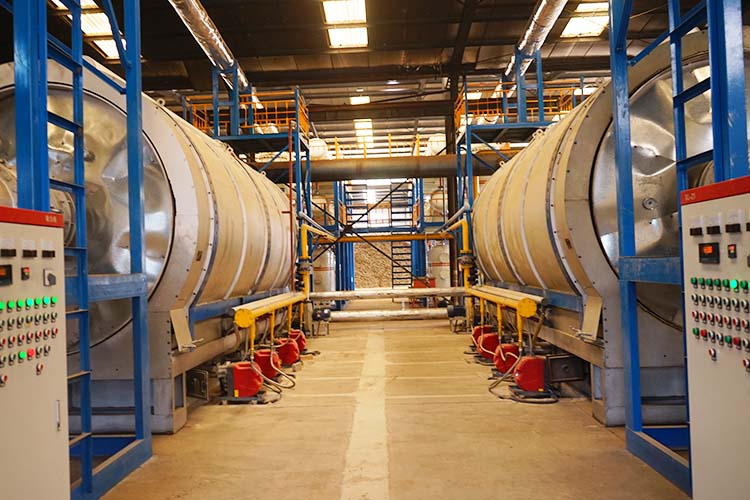
China Yongle Environmental Protection Engineering has customized a complete set of equipment for "full specification processing+multi material utilization" based on the diverse characteristics of waste tire types in West Africa. The pre-treatment stage is equipped with an adjustable crushing system, which can efficiently process full-size tires from motorcycle small tires to freight vehicle large tires. Combined with a separation module with a magnetic separation accuracy of 99.5%, the recovered steel wire can be directly supplied to steel plants in Nigeria and Ghana. The core pyrolysis system adopts segmented temperature control technology and operates stably at 430-470 ℃. The tire oil yield reaches over 46%, and the produced pyrolysis oil meets the fuel standards of West African power plants and sugar factories, with a calorific value of up to 42MJ/kg; After grinding and modification, the by-product carbon black can be used to produce rubber products or architectural coatings, achieving full chain utilization of resources.
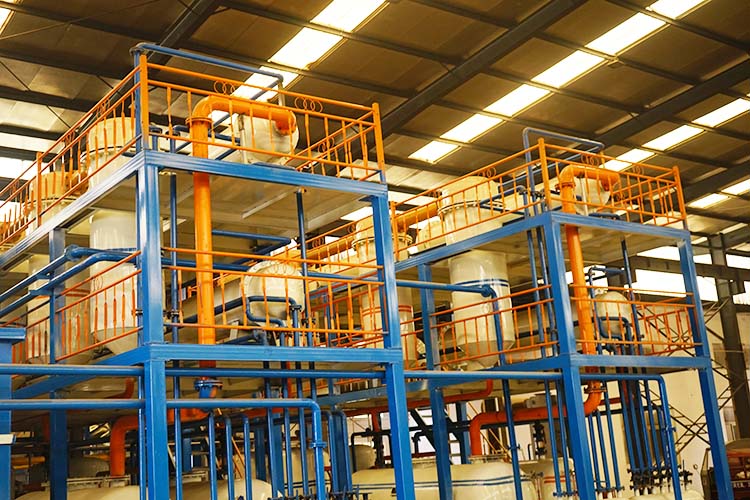
Flexible deployment and adaptation to regional characteristics: In port cities such as Lome in Togo and Cotonou in Benin, the daily processing capacity of large equipment reaches 10 tons. Leveraging the advantages of port logistics, cracking oil is supplied in bulk to surrounding industrial areas, forming a "recycling processing utilization" industrial loop; In inland cities such as Bamako, Mali, modular equipment supports road transportation and covers an area of only 100 square meters. It can quickly integrate into the local waste recycling network and reduce the loss of waste tires during cross regional transportation; In remote pastoral areas of Niger and Chad, the operation process of simple equipment is simplified, equipped with French and Arabic operation interfaces. The herder cooperative can operate independently after 2 days of training, specializing in the processing of motorcycle and agricultural machinery waste tires, achieving on-site resource conversion.
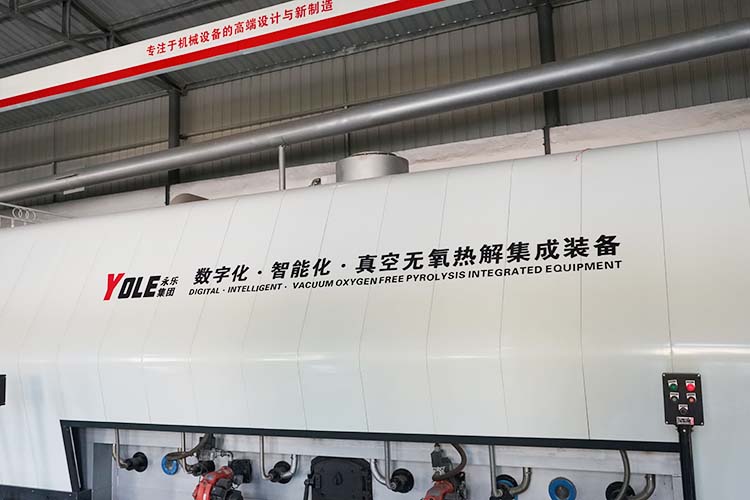
Localized service ensures stable operation: strengthens salt spray corrosion prevention treatment for equipment in coastal areas, and optimizes diesel power adaptability for inland areas. Set up after-sales service centers in Lagos, Nigeria and Abidjan, Ivory Coast, with sufficient reserves of heat-resistant seals, burners and other vulnerable parts. Equipment failures in major cities can be repaired within 24 hours, and remote areas can be reached within 72 hours. The equipment adopts a fully enclosed design, and the exhaust gas is purified through a triple process of "desulfurization+denitrification+bag dust removal". The emissions meet the ECOWAS environmental protection standards, and the operating noise is below 60 decibels. It can be safely deployed in industrial areas and suburbs. Looking forward to collaborating with West African waste recycling enterprises and industrial groups to activate the value of circular economy through waste tire resource utilization technology and promote industrial green upgrading.
Yongle Environmental Protection is mainly engaged in the research and development, production and sales of complete sets of technical equipment for organic solid waste disposal and comprehensive utilization. Production and manufacturing, domestic waste treatment equipment, tire pyrolysis equipment, medical waste disposal equipment, hazardous waste disposal equipment, and achieve efficient and comprehensive utilization of resources through independently developed low-temperature anaerobic pyrolysis equipment technology solutions.
Tags:West African waste tire equipment activates circular economy value,waste tire refining equipment,YONGLE GROUP
 Latest news