


 2026-03-16
Denmark, as the environmental protection benchmark country of the European Union, has established a perfect domestic waste management system. According to the Environmental Protection Law and the National Waste Prevention and Management Plan 2020 - 2032, the Danish Environmental Protection Agency implements the system of "charge by volume and charge by category" under the overall supervision of the Danish Environmental Protection Agency. Classified and unclassified wastes are separately priced. At the same time, the beverage packaging deposit refund system is implemented to compel residents and enterprises to actively do a good job in waste classification and recycling. The Waste Framework Directive revised by the European Union clearly requires that Denmark should achieve a 10% reduction in waste in food processing and manufacturing and a 30% reduction in waste per capita in retail and consumer links by 2030. The Danish government has put forward a target of 50% reduction in waste in the whole food supply chain. Meanwhile, it promotes enterprises to monitor and report waste data through the "Danish Voluntary Agreement on Food Wastes". At present, Copenhagen, Aarhus and other core cities in Denmark produce about 3200 tons of domestic waste per day, of which food waste accounts for a significant proportion. Although the classified recycling system is mature, it still faces the needs of improving the efficiency of organic waste recycling and optimizing the energy consumption of low-carbon treatment. In addition, it is necessary to comply with the requirements of "zero-threshold compulsory registration" in the new policy of EPR in Denmark, and it is urgent to have a low-carbon and efficient domestic waste treatment equipment that meets the EU compliance standards and adapts to the local circular economy model.
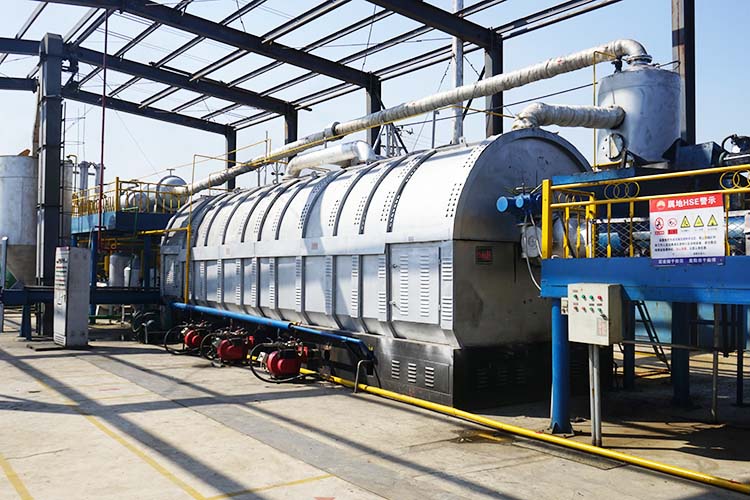
Targeted research and development of "Danish EU compliance low-carbon recycling fund" domestic waste treatment equipment of China Yongle Environmental Protection Project, accurately adapting to Danish environmental protection policies and cyclic economy demands: the equipment strictly follows the requirements of Danish EPR New Policy and European Union PPWR packaging regulations, can assist enterprises to complete zero threshold registration and annual report declaration, adapt to ecological modulation fee mechanism, and obtain green gear fee discount by virtue of highly recyclable design. The fully enclosed low carbon treatment process is adopted and the solar auxiliary power supply system is equipped. The energy consumption for operation is 40% lower than that of traditional equipment, the carbon emission intensity is reduced to 0.12kg CO/kg garbage, which conforms to the low carbon development target of Denmark, and the exhaust emission fully conforms to the emission standard of air pollutants in EU, and has passed the compliance filing of Danish Environmental Protection Agency. The core adopts the technology of "low temperature anaerobic fermentation+waste heat recovery" to optimize and adapt to the characteristics of high proportion of food waste in Denmark. The degradation rate of organic waste reaches 92%. The biogas produced by fermentation can be connected to the local energy pipe network for heating or industrial production. The organic fertilizer produced by fermentation residue adapts to the agricultural green planting demand in Denmark. The recoverable materials are classified and connected to the local recycling system. The overall recycling rate reaches 88%, which perfectly conforms to the core concept of "resource sharing and recycling" of the Karenberg industrial symbiosis system.
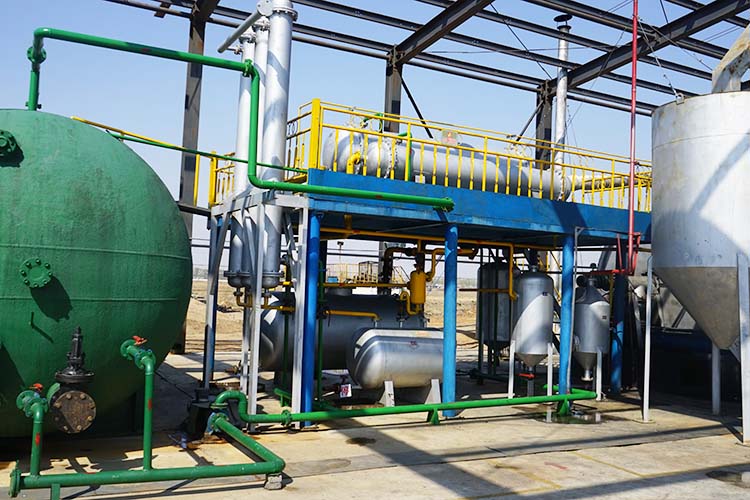
The whole scene adapts to the urban and rural and industrial demands of Denmark: in the residential area of Copenhagen, the modular equipment adapts to the "charge from volume" mode, the small size can be embedded into the community waste classification point, the organic waste and recyclable material sorting can be automatically completed, the operation interface supports Danish and English bilingual, and it adapts to the use habits of local residents. The bio-gas produced by fermentation can be directly supplied to the community for heating; In the Aarhus Food Processing Park, the daily processing capacity of large equipment is 80t, which is dedicated to the disposal of food processing waste, assisting enterprises in achieving the waste reduction goal and enjoying the green incentive funds from the government; In Karenburg Ecological Industrial Park, the equipment is integrated into the industrial symbiosis system, and the waste heat and residue generated in the treatment process are supplied to other enterprises in the park, so as to realize the closed loop circulation of resources; In the rural areas of Denmark, small mobile equipment is suitable for scattered living scenes. Solar energy drive can operate independently from the power grid. Organic fertilizer made from organic waste is directly supplied to the local farm, promoting the coordinated development of agriculture and environmental protection; In the central market of Copenhagen, small equipment can handle fruit and vegetable wastes in real time to avoid the peculiar smell caused by garbage accumulation and meet the requirements of urban environmental governance.
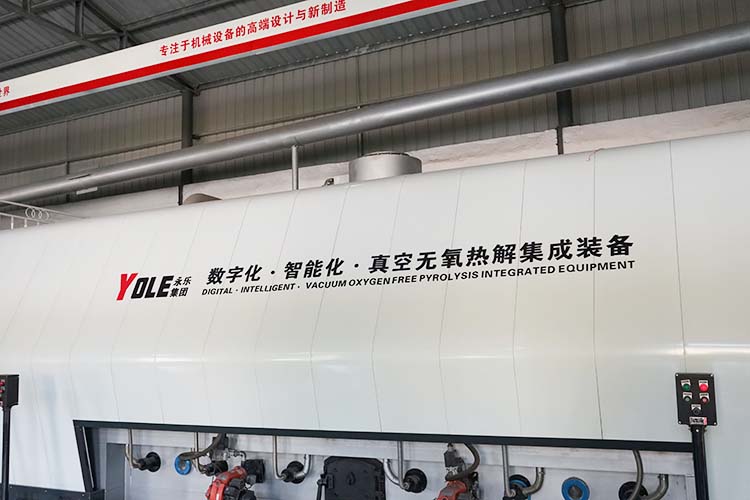
Compliance and localization service guarantee: the equipment fully complies with Danish Environmental Protection Law, EPR New Policy and relevant EU regulations, and can assist customers in completing compliance registration, data declaration and filing, so as to avoid violation risks such as fines and sales bans. Set up a service center in Copenhagen to provide training and regulation interpretation in Danish and English bilingual operation, and assist enterprises in interfacing with DPA (Danish Producer Responsibility System) to ensure compliance operation. The core parts are made of EU standard materials. Wearing parts can be purchased and replaced locally in Denmark, with low operation and maintenance costs. The equipment is operated automatically throughout the process, and no special person is required to be on duty. Therefore, it adapts to the current situation of high labor cost in Denmark. At the same time, low-carbon design is optimized to help customers achieve carbon emission reduction goals. Consistent with the Danish circular economy development strategy, it promotes the transformation of household garbage from "harmless treatment" to "high-value resource utilization", and helps Denmark achieve the 2030 food waste reduction goal.
Yongle Environmental Protection is mainly engaged in the research and development, production and sales of complete sets of technical equipment for organic solid waste disposal and comprehensive utilization. Production and manufacturing, domestic waste treatment equipment, tire pyrolysis equipment, medical waste disposal equipment, hazardous waste disposal equipment, and achieve efficient and comprehensive utilization of resources through independently developed low-temperature anaerobic pyrolysis equipment technology solutions.
Tags:Denmark Garbage Equipment EU Compliance Low Carbon Efficient,household waste treatment equipment,YONGLE GROUP
 Latest news