


 2026-03-16
Denmark has the world's leading high-end universal medical system. The medical waste supervision strictly follows the Environmental Protection Law and the EU Medical Waste Directive, and is jointly supervised by the Danish Environmental Protection Agency and the Ministry of Health. The medical waste is clearly classified as hazardous waste, and the whole process management and control of "classified collection - closed-loop transfer - whole chain traceability - harmless treatment" is implemented. The sterilization rate of infectious medical waste must reach more than 99.999%, and complete treatment records and traceability files are required to be established. The enterprises handling the violation will face a high amount of fines, and the serious ones will assume criminal responsibility. The data shows that Denmark produces about 130000 tons of medical wastes every year, of which infectious and chemical hazardous medical wastes account for about 25%. Large hospitals in Copenhagen, Aarhus and other core cities are the main sources of medical wastes, and grass roots medical sites are evenly distributed but of small scale. Denmark medical system focuses on intelligent and low-carbon development, and has high requirements on automation degree, traceability accuracy and low carbon energy consumption of medical waste treatment equipment. Meanwhile, it is required to adapt to strict biological safety standards in Denmark. It is urgent to have a medical waste treatment equipment complying with EU regulations, intelligent traceability, low carbon efficiency and suitable for medical sites of different scales.
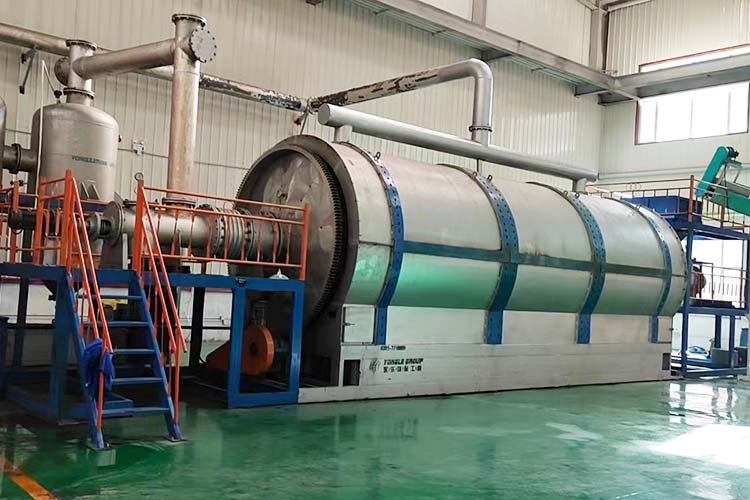
The special research and development of "Danish EU compliance intelligent traceability" medical waste treatment equipment of China Yongle Environmental Protection Engineering Co., Ltd. accurately solves the pain point of medical waste treatment in Denmark: the core adopts the "high temperature and high pressure steam sterilization+low temperature plasma collaborative disinfection" technology, with a sterilization rate of 99.9995%, passing the EU biosafety certification and the entire test of Danish Environmental Protection Agency, completely complying with the harmless treatment standard of medical waste, with a waste volume reduction rate of 85%. After treatment, the residue can be safely solidified and landfilled or recycled, without secondary pollution. The equipment strictly conforms to the requirements of Danish traceability supervision, and is equipped with the EU standard RFID full-chain traceability system, which can automatically record the key information such as medical waste classification, processing time, operators, processing parameters, etc., generate bilingual traceability reports in Danish and English, and directly connect with the supervision platforms of the Ministry of Health and the Environmental Protection Agency of Denmark, so as to achieve the traceability and verification of the whole process of medical waste disposal. The equipment is divided into three types: large linkage type, medium standard type and mini portable type. It adopts low-carbon and energy-saving design, with operation energy consumption 38% lower than that of traditional equipment. It is equipped with intelligent energy-saving module and automatically enters low power consumption mode when idle, which conforms to Danish low-carbon development concept; The operation interface is a picture and text guide in Danish, with high degree of automation, supporting remote monitoring and operation, and adapting to the intelligent requirements of Danish medical system.
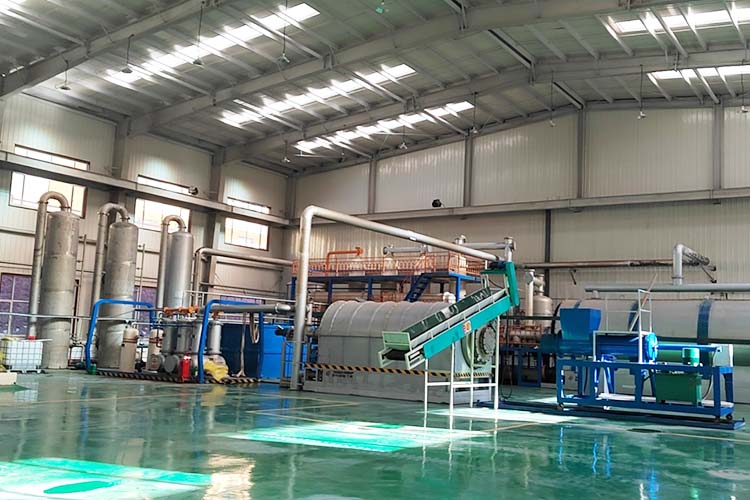
Multiple scenarios accurately adapt to various medical places: in Copenhagen University Hospital, the daily treatment capacity of large linkage equipment is 480kg, which can realize the classified treatment of infectious, chemical and radioactive (low dose) medical wastes, seamless connection with the hospital intelligent logistics system, complete traceability system, fully meet the regulatory requirements of EU and Denmark, and at the same time, the waste heat generated in the treatment process is recycled for hospital heating to realize energy cycle; In the Aarhus Provincial Hospital, the daily processing capacity of medium-sized equipment is 150kg, which is suitable for the centralized disposal requirements of medium-sized medical sites, supports remote monitoring by mobile phones, and is easy to operate without special personnel on duty, meeting the needs of efficient operation of the hospital; In the basic medical point in Denmark, the daily treatment capacity of mini portable equipment is 36kg, which is small in size and can be flexibly deployed without professional installation. It is suitable for the characteristics of small scale of basic medical point and small output of medical waste. Meanwhile, it has the advantages of low carbon and energy saving, reducing the operation cost of basic medical point; In the epidemic emergency scene, the mobile shelter equipment can be quickly deployed to the temporary medical point, with a daily treatment capacity of 280 kg, efficient disposal of infectious medical waste, and building a public health and safety defense line; In the private medical center, small intelligent devices are suitable for small space, and the intelligent traceability function can quickly complete the compliance check and meet the compliance operation requirements of private institutions.
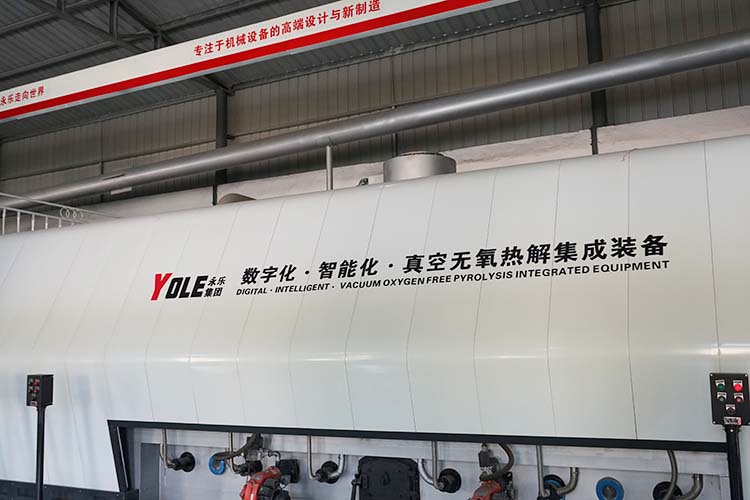
Compliance guarantee and localization service support: the equipment has passed the certification of EU medical waste disposal standard and the full compliance review of Danish Environmental Protection Agency, which can assist medical institutions in completing the compliance filing and traceability system docking of medical waste disposal to avoid the risk of violation. Establish a professional training center in Copenhagen to carry out training on compliance operation and equipment maintenance in Danish and English, covering medical staff and operation and maintenance personnel; Common spare parts adopt EU general specifications, which can be easily purchased in Denmark, greatly reducing operation and maintenance costs; The procurement cost of a single equipment is 35% lower than that of similar products in Europe and America, without subsequent high consumable costs. It accurately adapts to the intelligent, low-carbon and normalized demands of Denmark's high-end medical system. At the same time, the equipment traceability and energy conservation design shall be optimized to help medical institutions to realize the compliance of the whole process of medical waste disposal, reduce the public health risks caused by medical waste leakage, protect the medical safety of the whole people in Denmark, and promote the transformation of medical waste management to intelligent, low-carbon and resource-based.
Yongle Environmental Protection is mainly engaged in the research and development, production and sales of complete sets of technical equipment for organic solid waste disposal and comprehensive utilization. Production and manufacturing, domestic waste treatment equipment, tire pyrolysis equipment, medical waste disposal equipment, hazardous waste disposal equipment, and achieve efficient and comprehensive utilization of resources through independently developed low-temperature anaerobic pyrolysis equipment technology solutions.
Tags:Dual supervision on bilingual traceability of Danish medical waste equipment,medical waste treatment equipment,YONGLE GROUP
 Latest news