


 2026-01-23
According to the Waste Management Act and the Resource Efficient Equipment Act, South Korea has implemented a management model of "refined classification, resource recycling, and low-energy operation and maintenance". The core requirement is that environmental protection equipment must pass KCS certification, and public procurement projects only accept 1-2 level energy-efficient products. Currently, the daily production of household waste in the country is about 112000 tons. High density communities in major cities such as Seoul and Busan are facing pressure for centralized waste disposal, while areas such as Jeju Island and Gangwon do need to balance tourism ecological protection and decentralized waste disposal needs. Organic waste accounts for 46% of the garbage, containing a large amount of kimchi processing residue, Korean food kitchen waste, and courtyard green waste. The entire area is densely populated and has strict requirements for noise reduction and deodorization. It must comply with KS industrial standards and KCS energy efficiency grading requirements, and be suitable for climate characteristics such as frequent rainy weather and small temperature differences.
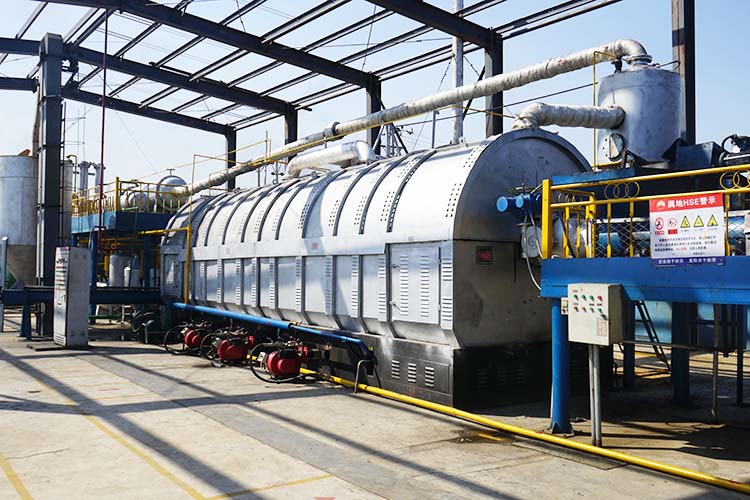
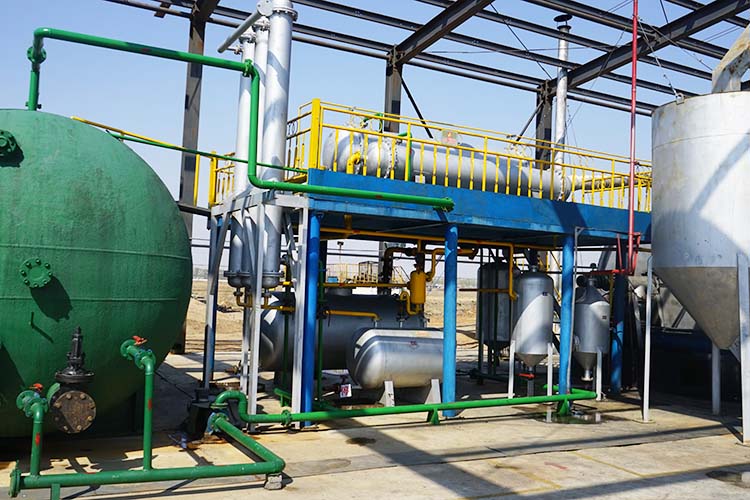
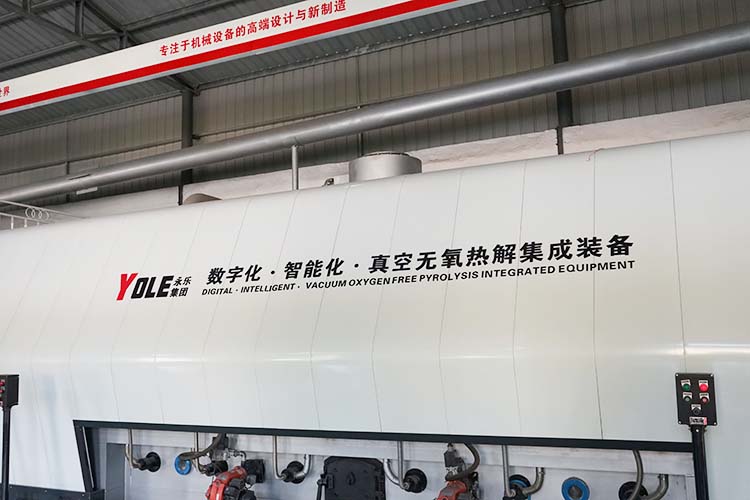
China Yongle Environmental Protection Engineering has developed a targeted "Korean Standard KCS Compliant" household waste treatment equipment: using food grade stainless steel anti-corrosion cabin and silent negative pressure deodorization system (operating noise ≤ 52dB), fully suitable for densely populated residential areas, with emission indicators in line with KS K 0099 waste gas standards. It has successfully passed KCS Level 1 energy efficiency certification and been included in the Korean green procurement list. Equipped with a "photovoltaic grid dual drive+intelligent operation and maintenance module", the photovoltaic panel is adapted to the rainy and sunny conditions in South Korea. It is equipped with a Korean language operation interface and remote monitoring system, which can upload and process data in real time to the local environmental department supervision platform, and automatically generate energy efficiency accounting and classification processing reports. The core adopts the technology of "low-temperature anaerobic fermentation+biological drying". The mixed fermentation of kitchen waste and courtyard green waste for 11 days can produce organic fertilizer (in line with KS K 6950 agricultural standards). The fermented biogas can meet 35% of the equipment's energy consumption. The dry waste is intelligently sorted and recycled for plastics and metals, with an overall resource utilization rate of 80%.
Adapting to the needs of South Korea: In high-density communities in Gangnam and Songpo districts of Seoul, small cluster equipment with a daily processing capacity of 90 tons can accurately connect with combustible, non combustible, and organic waste recycling systems. It can handle kitchen waste packaged in biodegradable plastic bags and avoid secondary pollution through classification; In the food industry zone of Gyeongsangnam do, mobile equipment has a daily processing capacity of 20 tons, specializing in the treatment of kimchi processing residues and sake brewing by-products. The organic fertilizer produced is directly supplied to surrounding agricultural product bases; In Jeju Island tourist attractions, rainwater diversion and leachate treatment modules are installed to prevent pollution of coastal ecology and tourism resources; In rural areas of Gangwon Province, mini cold resistant equipment has a daily processing capacity of 8 tons and can be transported by small vehicles to meet the needs of dispersed settlements.
Local compliance and service guarantee: The equipment has passed KCS Level 1 energy efficiency certification and KS standard audit, and enjoys preferential import tariff reductions from South Korea. Set up service centers in Seoul and Busan, relying on local logistics networks to achieve a 3-hour maintenance response in core cities, and equip special maintenance points in remote areas such as Jeju Island. We provide Korean language operation training and interpretation services for Korean environmental regulations. The energy consumption of the equipment is 46% lower than traditional equipment, which can help companies participate in Korean government environmental subsidy projects and deeply adapt to the needs of building a circular society in Korea.
Yongle Environmental Protection is mainly engaged in the research and development, production and sales of complete sets of technical equipment for organic solid waste disposal and comprehensive utilization. Production and manufacturing, domestic waste treatment equipment, tire pyrolysis equipment, medical waste disposal equipment, hazardous waste disposal equipment, and achieve efficient and comprehensive utilization of resources through independently developed low-temperature anaerobic pyrolysis equipment technology solutions.
Tags:Korean Standard Waste Equipment KCS Level 1 Energy Efficiency Compliance,household waste treatment equipment,YONGLE GROUP
 Latest news