


 2025-12-10
Malaysia's medical resources are concentrated in the peninsula region, and remote villages and towns in East Malaysia rely on "mobile clinics" services, generating approximately 180000 tons of medical waste annually, with infectious waste accounting for 68%. According to the Guidelines for the Treatment of Medical Waste and the Environmental Quality Regulations, medical waste must undergo 99.99% sterilization treatment and pass dual audits by DOE and the Ministry of Health. In 2024, due to improper disposal of medical waste in primary clinics, Johor State experienced a cluster infection of norovirus. The equipment needed to meet the core requirements of "high sterilization rate, low cost, bilingual operation", while also adapting to the differences in medical resources between urban and rural areas.
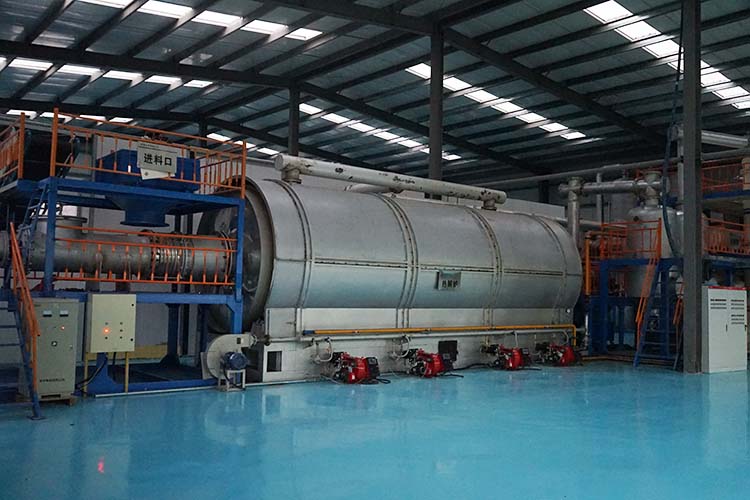
China Yongle Environmental Protection Engineering Special Research and Development "Graded Sterilization+Intelligent Traceability" Malaysia Customized Equipment: The core adopts the "dry heat sterilization ultraviolet synergistic" technology, and the 130 ℃ low-temperature sterilization avoids the generation of harmful gases. The sterilization rate reaches 99.999%, and the waste volume reduction rate after treatment is 85%, which can be safely buried. The device is equipped with a traceability system that complies with Malaysia's Personal Data Protection Act, automatically generates bilingual QR codes in Malay/English, and interfaces with the DOE regulatory platform; For grassroots clinics in East Malaysia, a "mini model" (weighing 55kg) has been launched, which supports motorcycle transportation and uses battery and gas assisted heating. It can also operate in areas without a stable power grid.
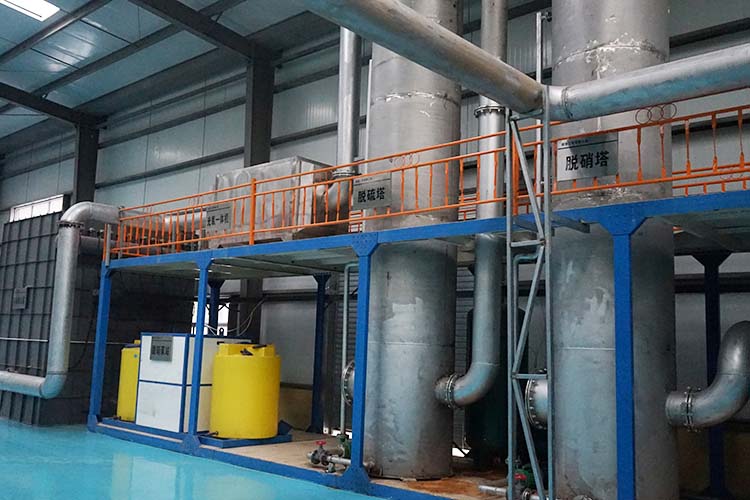
Accurate adaptation to diverse medical scenarios: In large institutions such as Kuala Lumpur Central Hospital and Penang General Hospital, the daily processing capacity of multi unit linkage equipment is 400 kilograms, supporting the classification and treatment of infectious and chemical waste, and integrating with hospital intelligent logistics systems to achieve automatic transportation; In private hospitals in Johor Bahru and Ipoh, air purification modules have been installed, achieving a PM2.5 removal rate of 99% and complying with the MS 2232 ozone emission standard; At the primary clinics in Douhu, Sabah and Sibu, Sarawak, the mini equipment has a daily processing capacity of 40 kilograms, and the operation guide is equipped with graphics, text, and Malay language audio explanations, which can be mastered by medical staff within one hour; In emergency scenarios such as floods and epidemics, mobile devices can be quickly deployed with a daily processing capacity of 200 kilograms to assist in epidemic prevention and disinfection.
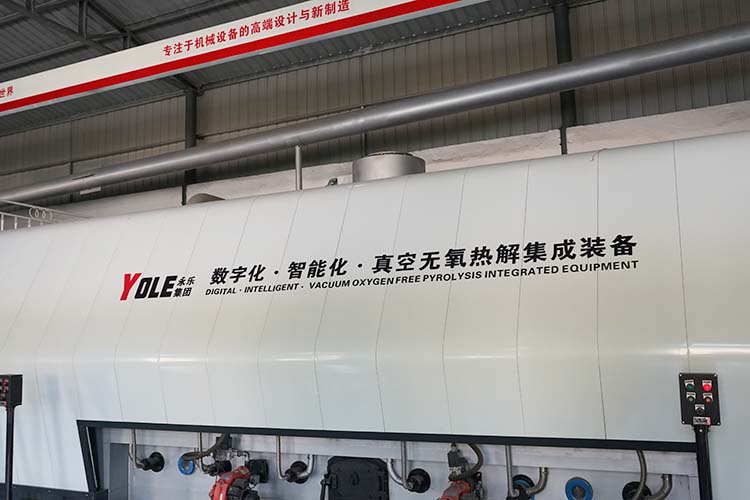
We provide localized services: the equipment has passed SIRIM safety certification and DOE filing, assisting customers in obtaining medical waste disposal permits. Set up bilingual service centers in Kuala Lumpur and Kota Kinabalu, with a 24/7 response time. Common spare parts are delivered the next day through Malaysia Post. The energy consumption of the equipment is 30% lower than similar international products, and the procurement cost of primary clinics is reduced by 52%, helping Malaysia build an integrated medical waste treatment system of "Peninsula East Malaysia".
Yongle Environmental Protection is mainly engaged in the research and development, production and sales of complete sets of technical equipment for organic solid waste disposal and comprehensive utilization. Production and manufacturing, domestic waste treatment equipment, tire pyrolysis equipment, medical waste disposal equipment, hazardous waste disposal equipment, and achieve efficient and comprehensive utilization of resources through independently developed low-temperature anaerobic pyrolysis equipment technology solutions.
Tags:Malay medical waste equipment adapted to East Malaysia mobile clinics,medical waste treatment equipment,YONGLE GROUP
 Latest news