


 2025-12-04
Myanmar is implementing the Environmental Protection Law and the National Waste Management Strategy for 2018-2030. Large cities such as Yangon and Mandalay are led by the Urban Development Committees (CDCs) in waste management, with a requirement for a 60% harmless rate of urban and rural waste by 2030. Approximately 9.8 million tons of household waste are generated annually in China. Due to the rainy and humid tropical monsoon climate, kitchen waste (accounting for 52%) is prone to decay and emits a foul odor, which can breed mosquitoes and spread diseases; There is a lack of garbage management institutions in rural areas, and the problem of indiscriminate dumping of garbage polluting soil and water sources is prominent. The power supply in Myanmar is unstable, and there is a large difference in transportation conditions between urban and rural areas. Traditional high energy consuming and complex operation and maintenance equipment is difficult to adapt to, and heat and humidity resistant, low-energy consuming, and easy to operate processing equipment has become a necessity.
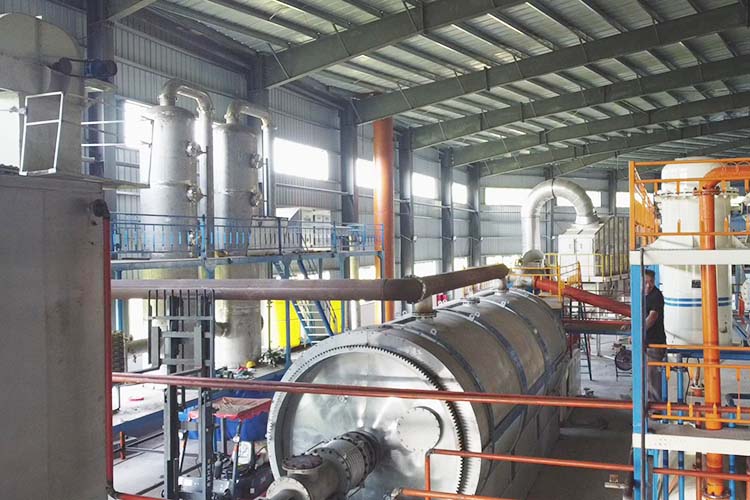
China Yongle Environmental Protection Engineering has developed customized equipment for "moisture and heat resistance+low-cost operation and maintenance". The equipment adopts a "windproof and moisture-proof cabin+solar assisted power supply" design, which can operate stably in environments with high temperatures of 30-45 ℃ and high humidity of 85%. The daily power supply of photovoltaic panels meets 30% of the equipment's energy consumption needs, solving the problem of unstable power supply; Kitchen waste is processed through "ambient temperature anaerobic fermentation technology" without the need for high temperature heating, and can be converted into organic fertilizer within 60 hours, which meets the standards of Myanmar's agricultural department and can be directly supplied to rice fields around Yangon; Recyclable materials use a "simple physical sorting" module, which reduces operational difficulty through manual assistance and mechanical screening. Recycled plastics are suitable for local daily necessities processing enterprises, with an overall resource utilization rate of 68%.
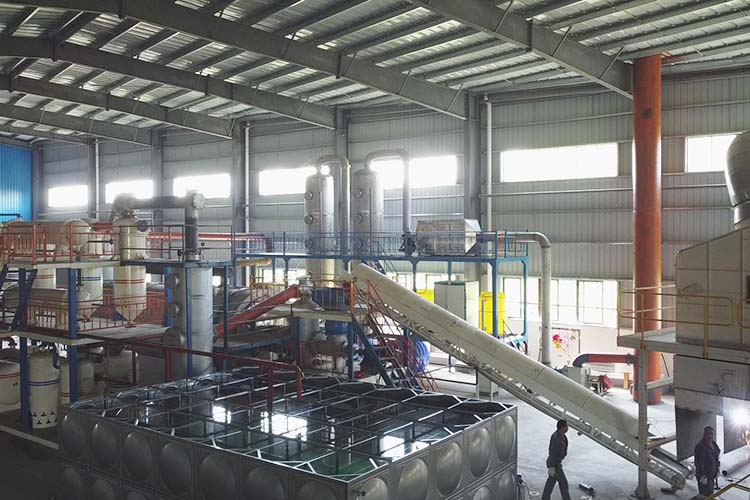
Full scene coverage of urban and rural areas as well as special zones: In residential areas of big cities such as Yangon and Mandalay, the cluster equipment has a daily processing capacity of 50 tons, equipped with Burmese language operation interface, operating noise ≤ 50 decibels, adapted to the environment of dense residential areas, and data docking with the pollution control department of the Urban Development Committee; In tourist areas such as Pagan and Inle Lake, the appearance of the equipment incorporates traditional Burmese patterns and uses biological deodorization technology (odor level ≤ 2) to avoid affecting the scenic experience; In rural areas such as Sagaing and Magwe provinces, mobile devices support soil road transportation, with a daily processing capacity that meets the needs of 500 villages. The structure is simplified to three core modules, and villagers can operate it after one hour of training; In the Yangon Special Economic Zone, the daily processing capacity of industrial and household waste collaborative treatment equipment reaches 120 tons, equipped with a simple sewage filtration system, which meets the environmental protection requirements of the zone.

We provide dual protection of compliance and operation: the equipment has been registered with the Myanmar Ministry of Natural Resources and Environmental Protection, and we assist clients in completing Environmental Impact Assessment (IEE) reports. Set up service centers in Yangon and Naypyidaw to store specialized spare parts that are resistant to rust and mold. The main cities respond within 4 hours, and rural areas arrive within 72 hours for maintenance. The equipment procurement cost is 40% lower than similar international products, and there is no need for professional technical personnel for operation and maintenance. Regular video guidance is provided to villagers to complete maintenance, helping Myanmar implement the national waste management strategy and solve the problem of urban and rural waste disposal.
Yongle Environmental Protection is mainly engaged in the research and development, production and sales of complete sets of technical equipment for organic solid waste disposal and comprehensive utilization. Production and manufacturing, domestic waste treatment equipment, tire pyrolysis equipment, medical waste disposal equipment, hazardous waste disposal equipment, and achieve efficient and comprehensive utilization of resources through independently developed low-temperature anaerobic pyrolysis equipment technology solutions.
Tags:Myanmar garbage equipment is resistant to moisture and heatensuring stable operation,household waste treatment equipment,YONGLE GROUP
 Latest news