


 2026-01-29
Laos has gradually promoted the harmless and resourceful transformation of household waste in accordance with the 1999 Environmental Protection Law (revised in 2012) and the Guidelines for Solid Waste Management and Elimination. The core principle is the 3R principle of "reduction, reuse, and reprocessing", which prohibits the indiscriminate disposal of solid waste into public water sources and the natural environment. Core cities such as Vientiane and Luang Prabang are facing problems of concentrated garbage accumulation and rainy season leachate pollution, while rural and mountainous areas mainly rely on decentralized treatment and lack standardized equipment support. The daily production of domestic waste in the country is about 42000 tons, with organic waste accounting for 55% of the waste, including a large amount of rice, corn processing residues, fruit and vegetable waste, and catering waste. The whole region belongs to the tropical and subtropical monsoon climate, with high temperatures and rainfall throughout the year, high humidity, and annual precipitation of 1250-3750 millimeters. The requirements for equipment moisture resistance, corrosion resistance, and easy operation are extremely high, and it needs to be adapted to low-cost operation and maintenance scenarios without stable power grid dependence, which is in line with the agricultural led economic structure.
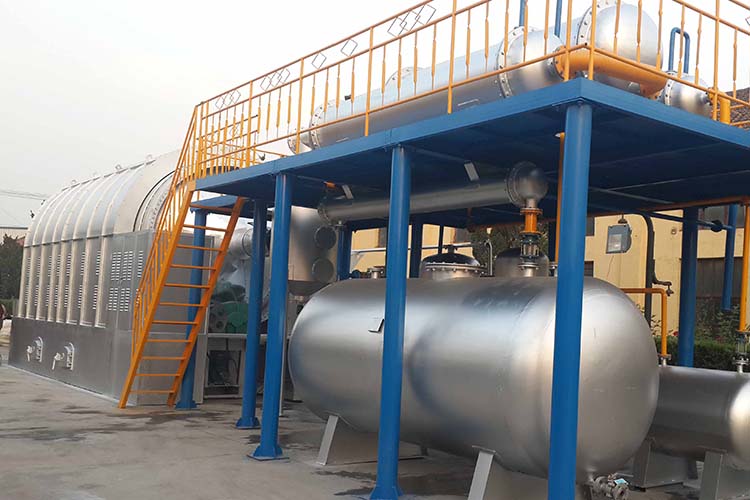
China Yongle Environmental Protection Engineering has developed a targeted "old standard moisture resistant and simple" household waste treatment equipment: using anti-corrosion carbon steel cabin and sealed moisture-proof structure, it can withstand high temperature and high humidity environments, equipped with a simple dust removal and deodorization module, and the emission indicators meet the national environmental standards of Laos. It has been registered with the municipal department of Vientiane. Equipped with a "diesel solar dual drive+manual backup operation" mode, the solar panels are suitable for strong sunlight conditions. Mountainous and rural areas without power grids can rely on diesel for independent operation. Equipped with a Lao language graphic and text operation panel, no professional technical personnel are required, and ordinary villagers can get started with simple training. The core adopts the technology of "low-temperature aerobic fermentation+simple sorting". Organic waste can be fermented for 14 days to produce organic fertilizer, which is suitable for local rice and coffee planting needs. Dry waste sorting and recycling of plastic, metal and other usable materials can achieve an overall resource utilization rate of 70%. The treatment process has no complex material dependence and the operation and maintenance costs are extremely low.
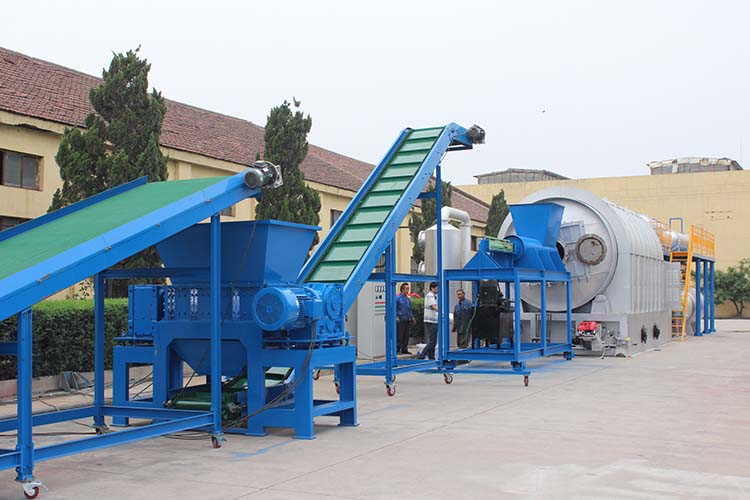
Adapting to the needs of Laos: At the waste transfer station in the urban area of Vientiane, the cluster equipment has a daily processing capacity of 45 tons, which can quickly handle accumulated waste. A rainwater diversion module is added to avoid the pollution of Mekong River tributaries by leachate during the rainy season; In the Luang Prabang food processing zone, small equipment has a daily processing capacity of 12 tons, specializing in the treatment of rice processing residues and by-products of soy products. The organic fertilizer produced is directly supplied to surrounding rice fields and coffee gardens; In rural settlements, mini portable devices have a daily processing capacity of 4 tons, with manual assistance for feeding and diesel drive without the need for power grids, suitable for dispersed residential scenarios; In the tourist attractions of Wanrong and Luang Prabang, modular equipment is used to balance garbage disposal and landscape protection, preventing pollution of tourism resources.
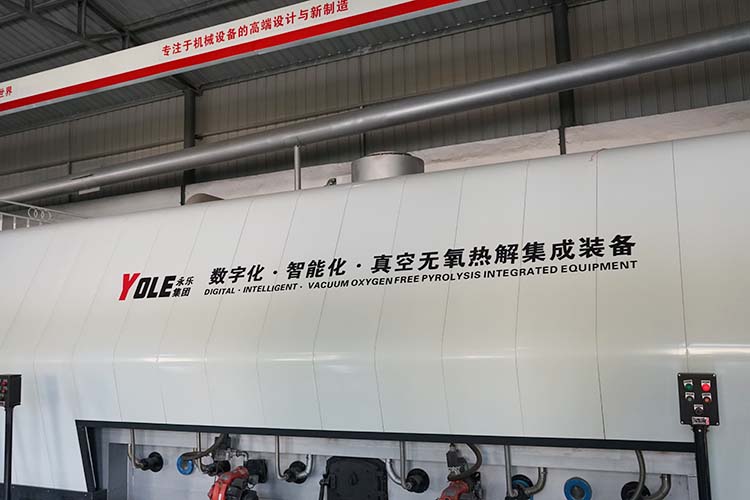
Localization adaptation and service guarantee: The equipment is optimized in structural design, compact in size and lightweight, suitable for the current situation of road transportation in Laos, and can be transported to remote mountainous areas by small trucks. Set up service stations in Vientiane and Luang Prabang, reserve general vulnerable spare parts, achieve a 5-hour maintenance response in core cities, and provide on-site maintenance services in remote mountainous areas. Providing training and basic maintenance guidance in Lao language, the equipment procurement cost is only 35% of similar imported products, and the operation and maintenance cost is as low as $18 per day, which can help local governments promote environmental upgrades and meet the sustainable development requirements of Laos' Ninth Five Year National Social and Economic Development Plan (2021-2025), achieving a virtuous cycle between waste disposal and agricultural production.
Yongle Environmental Protection is mainly engaged in the research and development, production and sales of complete sets of technical equipment for organic solid waste disposal and comprehensive utilization. Production and manufacturing, domestic waste treatment equipment, tire pyrolysis equipment, medical waste disposal equipment, hazardous waste disposal equipment, and achieve efficient and comprehensive utilization of resources through independently developed low-temperature anaerobic pyrolysis equipment technology solutions.
Tags:Old standard garbage equipment is moisture resistant easy to maintain and suitable for wet and hot conditions,household waste treatment equipment,YONGLE GROUP
 Latest news