



 2025-11-14
The Philippines is composed of over 7000 islands, with cities such as Manila and Cebu having extremely high population densities and uneven urban-rural development. The country generates over 22 million tons of household waste annually, with kitchen waste accounting for 58% and plastic waste accounting for approximately 23%. The local climate is tropical maritime, with high temperatures and heavy rainfall throughout the year, with an average annual precipitation of over 2000 millimeters. The garbage piled up outdoors is easily washed into the ocean by rainwater, polluting coral reefs and fishery resources. Manila Bay alone has over 150000 tons of plastic waste entering the sea every year; The continuous high temperature during the dry season (November to April of the following year) causes rapid decay of garbage, releasing foul odors and toxic substances that seriously affect residents' lives. According to the Philippine Ecological Solid Waste Management Act, it is required that the resource utilization rate of domestic waste in major cities should not be less than 40% before 2028, and open landfilling in island areas should be completely prohibited. However, traditional landfilling occupies scarce land and simple incineration pollutes the atmosphere. It is urgent to introduce domestic waste treatment equipment that is suitable for the island environment.
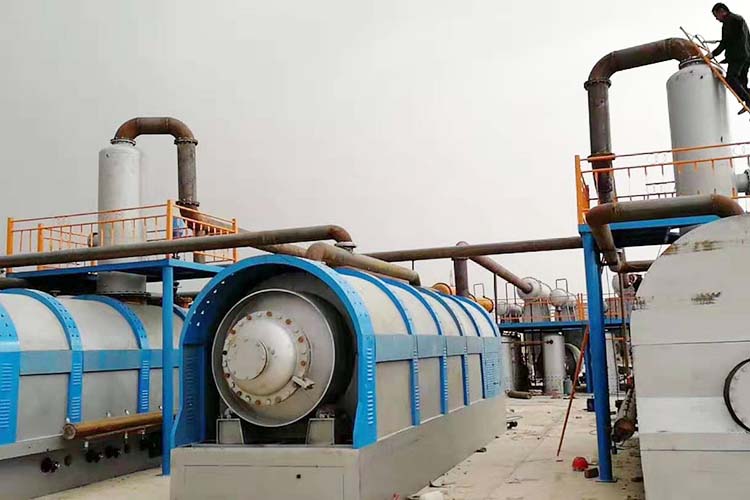
China Yongle Environmental Protection Project is specially optimized for the characteristics of Philippine garbage and geographical climate: the core adopts a composite process of "anaerobic fermentation of kitchen waste+plastic pyrolysis". The biogas produced by the fermentation of kitchen waste can be directly converted into electricity, meeting the electricity needs of the equipment itself and surrounding communities, and perfectly adapting to the unstable electricity situation in some areas of islands; The derived fuel (RDF) generated by pyrolysis of recalcitrant plastics can be used as boiler fuel for local sugar and cement plants, with an overall resource utilization rate of over 62%, far exceeding regulatory requirements. In response to rainy environments, the equipment innovatively adopts a "rainproof sealed cabin+three-level dehydration" system, which reduces the moisture content of garbage to below 22% in the pretreatment stage. The main structure is made of special steel that is resistant to seawater corrosion, effectively avoiding equipment damage caused by rainwater immersion and sea breeze erosion; For high-temperature environments, the electrical system is equipped with intelligent cooling modules to ensure stable operation at extreme temperatures of 45 ℃.
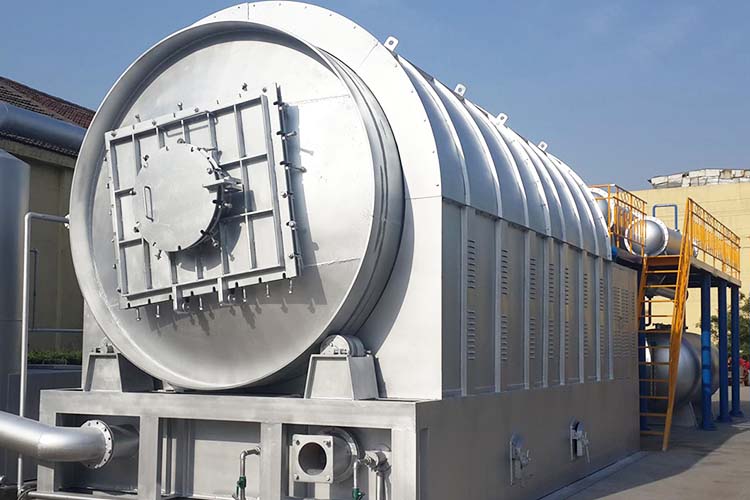
Application scenarios cover the entire island: In mega cities such as Manila and Quezon, the daily processing capacity of multi unit clusters can reach 500 tons, and the produced biogas can be connected to the city's distributed energy network. After deep processing of fermentation residue into organic fertilizer, it can be accurately supplied to rice and banana plantations in Luzon Island; In medium-sized cities such as Cebu and Davao, modular equipment covers an area of only 90 square meters and supports container transportation. It can be quickly deployed around ports to reduce the cost of cross island garbage transportation; In tourist islands and remote villages such as Palawan and Boracay, small-scale equipment supports dual power supply of solar and diesel, and the operation interface is equipped with bilingual guidance in Filipino and English. Local personnel can operate independently after one day of training, and the daily processing capacity fully meets the daily needs of the islands, avoiding the impact of garbage accumulation on the tourism image.
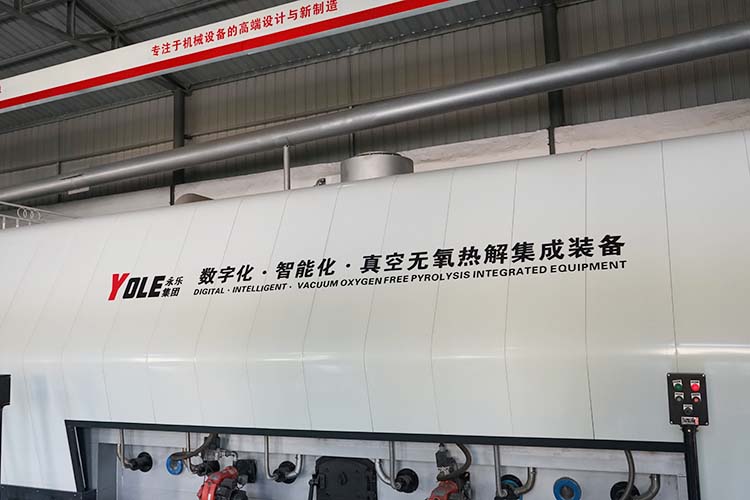
We provide customized solutions based on the geographical characteristics of the Philippine Islands: optimizing the modular design of equipment for island areas, facilitating transportation by ferry and helicopter; Strengthen equipment anti salt spray corrosion treatment for coastal cities to extend their service life. Establish dual after-sales service centers in Manila and Cebu, with sufficient reserves of spare parts for tropical working conditions. The technical team can arrive in major cities within 24 hours after equipment failure, and remote islands can respond within 72 hours through dedicated logistics. Free maintenance training is regularly conducted. The operating noise of the equipment is controlled below 55 decibels, and the exhaust gas is purified through a triple process of "desulfurization+activated carbon adsorption+high-efficiency dust removal". The emissions fully comply with the Philippine Air Quality Standards and can be safely deployed in residential areas, scenic spots, and port areas. Looking forward to working together with Philippine municipal departments and environmental protection companies to solve the problem of garbage disposal in the archipelago with professional equipment, and protect the marine ecology and living environment of the Philippines.
Yongle Environmental Protection is mainly engaged in the research and development, production and sales of complete sets of technical equipment for organic solid waste disposal and comprehensive utilization. Production and manufacturing, domestic waste treatment equipment, tire pyrolysis equipment, medical waste disposal equipment, hazardous waste disposal equipment, and achieve efficient and comprehensive utilization of resources through independently developed low-temperature anaerobic pyrolysis equipment technology solutions.
Tags:Philippine garbage equipment solves the problem of island disposal,household waste treatment equipment,YONGLE GROUP
 Latest news