


 2025-11-28
The healthcare system in Japan is well-developed, with over 16000 hospitals and 90000 clinics nationwide, of which 28% are specialized hospitals for geriatric diseases. Approximately 480000 tons of medical waste are generated annually, with infectious waste accounting for 45% and sharps waste accounting for 18%. According to the Special Measures for Medical Waste Treatment Law, medical waste must be treated harmlessly within 72 hours with a sterilization rate of 99.999%, and the treatment equipment must pass strict audits by the Ministry of Health, Labour and Welfare. The worsening aging population in Japan has led to a shortage of medical staff in primary clinics, and the convenience and automation of equipment operation have become core demands. Traditional equipment that relies on manual operation is no longer suitable for existing medical scenarios.
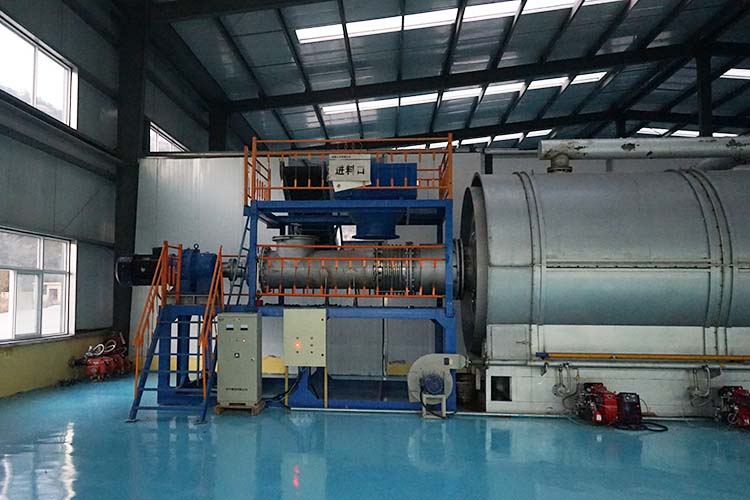
China Yongle Environmental Protection Engineering Special Research and Development "Intelligent Sterilization+Unmanned Operation" Japanese Customized Equipment: The core adopts "Microwave Collaborative High Temperature Sterilization Technology", breaking through the limitations of traditional heating. It can sterilize for 30 minutes at 120 ℃ and 0.18MPa pressure, with a sterilization rate of 99.999% and a waste volume reduction rate of 83% after treatment. It can be disposed of in compliance with general industrial waste regulations. The equipment is equipped with an intelligent system certified by Japanese Industrial Standards (JIS), which supports remote control and automatic feeding. Medical staff can complete parameter settings and operation monitoring through a tablet computer, reducing the risk of direct contact; Equipped with a specialized crushing module for sharp objects to prevent scratches during processing and ensure safe operation.
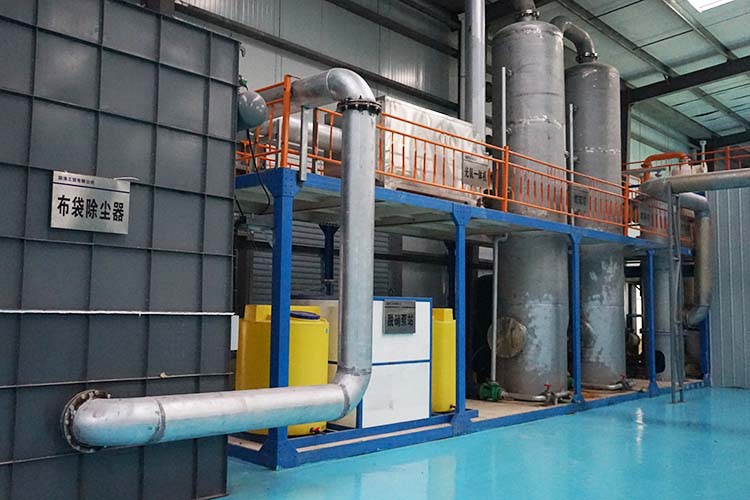
Accurate adaptation to various medical scenarios: In large institutions such as the University of Tokyo Medical School Affiliated Hospital, the daily processing capacity of multi unit linkage equipment reaches 500 kilograms, supporting the classification and treatment of infectious, pathological, and chemical waste, and responding to the increasing demand for medical waste caused by the high incidence of chronic diseases in the elderly; At community elderly clinics in Osaka and Nagoya, the mobile device has a daily processing capacity of 150-200 kilograms and is compact enough to be deployed in the clinic's backyard. It is equipped with Japanese voice prompts and one click operation, and nurses can proficiently use it after 30 minutes of training; In remote medical facilities in Okinawa and Hokkaido, mini devices cover an area of only 3 square meters and are designed with low power consumption to meet the energy needs of small medical facilities. They support remote fault diagnosis and reduce operation and maintenance costs.
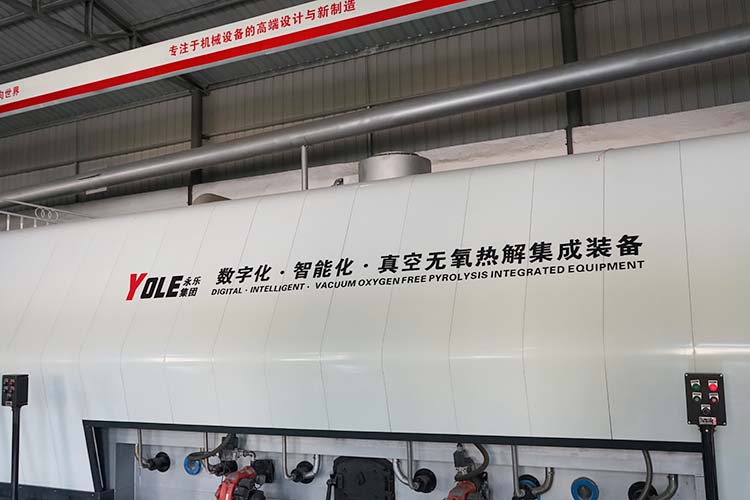
We rely on our rich experience in serving the Japanese market and provide full cycle support: our equipment has been certified by the Japanese Ministry of Health, Labour and Welfare and JIS T 9102 medical equipment standards, assisting customers in completing their medical waste disposal permit applications. Set up after-sales service centers in Tokyo and Osaka, respond to demand 24/7, and have a stock of commonly used spare parts that meets over 95% of emergency needs. Cooperate with Japan Post to ensure that spare parts arrive the next day. The operating energy consumption of the equipment is 30% lower than similar products in Japan, which meets the cost reduction and efficiency improvement needs of the medical industry and helps to build a safe, efficient, and compliant medical waste treatment system.
Yongle Environmental Protection is mainly engaged in the research and development, production and sales of complete sets of technical equipment for organic solid waste disposal and comprehensive utilization. Production and manufacturing, domestic waste treatment equipment, tire pyrolysis equipment, medical waste disposal equipment, hazardous waste disposal equipment, and achieve efficient and comprehensive utilization of resources through independently developed low-temperature anaerobic pyrolysis equipment technology solutions.
Tags:Unmanned operation of medical waste equipment in Japan is safer,medical waste treatment equipment,YONGLE GROUP
 Latest news