


 2026-03-13
In accordance with the Environmental Law and Special Plan for Medical Waste Management of West African countries, the environmental departments of all countries and the Ministry of Health jointly supervise the treatment of medical waste, clearly classify the medical waste as hazardous waste, implement the whole process supervision mode of "classified collection - closed loop transfer - whole chain traceability - harmless treatment", prohibit any form of illegal disposal, the sterilization rate of infectious medical waste must be above 99.999%, medical institutions need to use special color coded containers to classify and store medical waste, establish complete treatment records and traceability files, illegal disposal enterprises will face high fines, and those with serious circumstances will be disqualified from medical practice. At present, the public health system in West Africa is still under improvement. After the new epidemic, the output of medical wastes has been sharply increased, and the discharge of disposable protective articles, waste syringes, infectious dressing and other wastes has been greatly increased. The annual output of medical wastes in the region is about 150000 tons, including 28% - 30% of infectious and chemical hazardous medical wastes, and the disposal pressure is huge. The countries in West Africa implement the universal medical system. The core cities (Lagos, Accra and Abidjan) have a number of large central hospitals, and each province has provincial and county hospitals. The township clinics and private medical centers are distributed all over the countries. However, the distribution of medical resources is extremely uneven, and the grass roots medical sites are generally lack of equipment, unstable power supply, and shortage of professional and technical personnel; At the same time, the high temperature and rainy climate in the region puts forward very high requirements for the waterproof, anti-seepage and anti-corrosion performance of the medical waste treatment equipment. It is urgent to have a medical waste treatment equipment that is suitable for the regional climate, portable and efficient, meets the compliance standards of various countries and can meet the needs of different scale medical sites, so as to build a solid defense line of public health and safety.
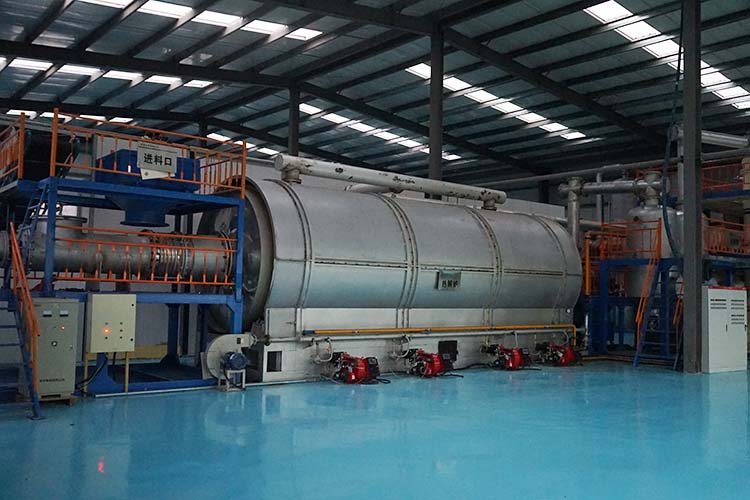
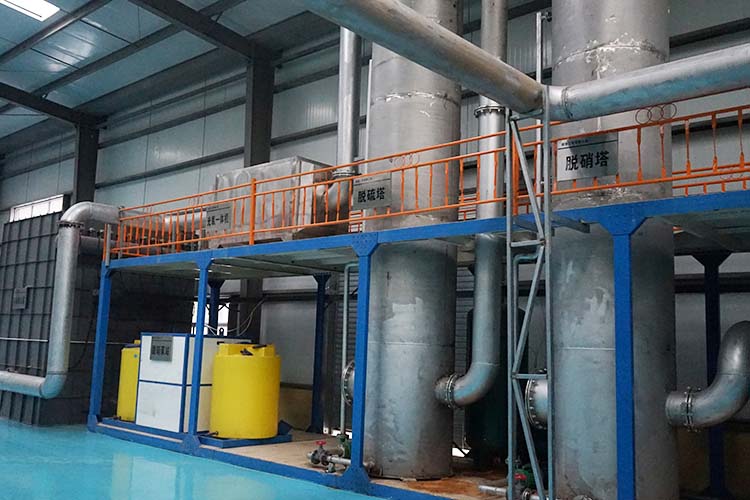
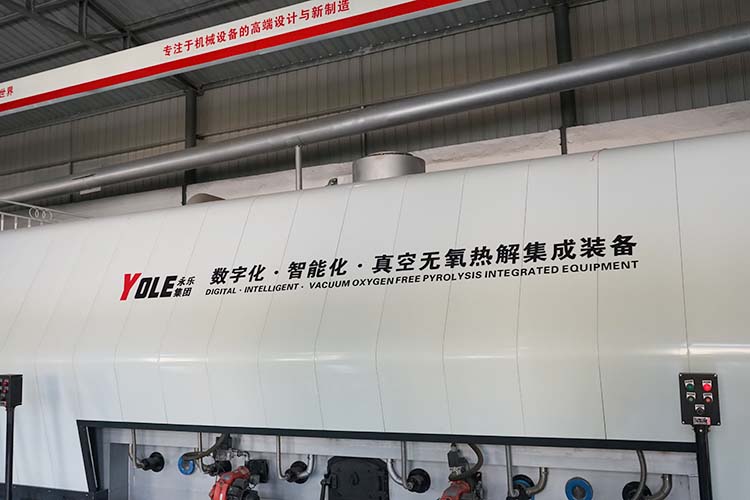
China Yongle Environmental Protection Engineering Special R&D "West African Regional Compliance Intelligent Traceability" medical waste treatment equipment, accurately solving the pain points of medical waste treatment in West Africa: the core adopts "high temperature and high pressure steam sterilization+ultraviolet collaborative disinfection" technology, optimizing and adapting to the local working conditions in West Africa, continuous action for 30 minutes under high temperature and high pressure at 125 ℃, with a sterilization rate of 99.9993%. Through the full test of biological safety of environmental departments in West Africa and international biosafety certification, it fully meets the harmless treatment standards of medical waste, with a waste volume reduction rate of 82%. After treatment, the residue can be safely solidified and landfilled, effectively avoiding secondary pollution. The equipment strictly conforms to the traceability supervision requirements of West African countries, and is equipped with RFID full-chain traceability system, which can automatically record the key information such as medical waste classification, treatment time, operators and treatment parameters, generate bilingual traceability reports in French and English, and directly connect with the environmental supervision platforms of various countries and the supervision systems of the Ministry of Health, so as to facilitate the real-time verification of the supervision departments and realize the traceability of the whole process of medical waste treatment. The equipment is divided into three types: large linkage model, medium standard model and mini portable model. The mini model weighs only 48kg and can be manually transported to the grassroots medical center. It is equipped with the "grid-battery dual security power supply system" to effectively deal with the instability of power in some areas of West Africa and the high temperature and rainy scenes; The operation interface is designed with French graphic and text guidance, clearly indicating the classified processing flow and precautions. The medical personnel can skillfully operate after 10 minutes of simple training, without complex circuit and control system, perfectly adapting to the current situation of shortage of technical personnel in primary medical points.
Multi-scenario accurate adaptability to various medical places: in the central hospitals of Lagos, Accra, Abidjan and other core cities, the daily processing capacity of large linkage equipment is 450 kg, which can realize the classified treatment of infectious, chemical and radioactive (low dose) medical waste, seamless connection with the intelligent material flow system of the hospital, complete traceability system, fully meet the regulatory requirements of various countries, and greatly improve the treatment efficiency of medical waste in the hospital; In the provincial hospitals of various countries, the daily processing capacity of medium-sized equipment is 140-150kg, which is suitable for the centralized disposal demand of medium-sized medical sites, supports remote monitoring and operation of mobile phones, has waterproof, anti-seepage and anti-corrosion functions, and can stably cope with the wet environment in the rainy season; In township clinics and remote medical sites, mini portable equipment has a daily processing capacity of 34-36kg, small size and no need for professional installation. It adopts battery+solar auxiliary power supply. A single charge can continuously process 8 batches of medical wastes, effectively avoid the leakage risk caused by long-distance transportation of medical wastes, reduce the transportation cost, and have good waterproof performance, which can cope with wet environment in rainy season; In the epidemic emergency scene, the mobile shelter equipment can be quickly deployed to the temporary medical point, with a daily treatment capacity of 260-280 kg, efficient disposal of infectious medical waste, and building a public health and safety defense line; In the private medical center, small intelligent equipment is suitable for the narrow space, easy to operate, without the need of special personnel for operation and maintenance, and can remotely control the operation status, greatly reducing the operation cost, meeting the low cost operation requirements of private institutions.
Compliance guarantee and localization service support: the equipment has passed the full compliance review and international biosafety certification by the environmental departments of West African countries, and has been successfully included in the procurement recommendation list of the Ministry of Health of all countries. It can assist medical institutions in completing the compliance filing and traceability system docking, and comply with the medical waste management strategic planning of all countries. Set up professional training centers in Lagos, Accra and Abidjan to carry out training on compliance operation and equipment maintenance in French and English, so as to realize full coverage of primary medical care personnel; Common spare parts adopt general specifications, which can be easily purchased in local hardware markets of West African countries, greatly reducing operation and maintenance costs; The procurement cost of a single equipment is 40% lower than that of similar products in Europe and America, without subsequent high consumable costs. It accurately adapts to the imbalance of medical resources in West Africa, weak basic technology and tropical climate characteristics. At the same time, the intelligent equipment and traceability process are optimized to help medical institutions to practically fulfill their compliance responsibilities, reduce the public health risks caused by medical waste leakage, safeguard the medical safety of the whole population, and promote the standardized and ecological development of medical waste management in West Africa.
Yongle Environmental Protection is mainly engaged in the research and development, production and sales of complete sets of technical equipment for organic solid waste disposal and comprehensive utilization. Production and manufacturing, domestic waste treatment equipment, tire pyrolysis equipment, medical waste disposal equipment, hazardous waste disposal equipment, and achieve efficient and comprehensive utilization of resources through independently developed low-temperature anaerobic pyrolysis equipment technology solutions.
Tags:West African Medical Waste Equipment Regional Compliance Intelligent Traceability,medical waste treatment equipment,YONGLE GROUP
 Latest news