


 2026-03-13
The automobile industry in West Africa has been developing steadily, with an average annual growth rate of 7% - 9%. In the region, about 25 million tyres are consumed annually, and about 280000 tons of waste and scrap tyres are produced annually. Currently, the waste and scrap tyre management systems in West Africa are still in a perfect stage. Most countries lack a unified nationwide collection and disposal system, and most of the waste and scrap tyres are disposed by informal operators. There are problems such as outdoor stacking, random discarding and simple burning, which not only seriously pollute the soil and the atmospheric environment, but also easily breed mosquitoes and trigger fires. Meanwhile, they violate the Environmental Laws of all countries and the environmental protection supervision requirements of the environmental authorities, and face a high risk of fines. It is worth noting that West Africa is an important place of origin of rubber industry in Africa. The rubber capacity of Cote d'lvoire, Nigeria, Ghana and other countries continues to expand, and the domestic rubber product processing demand is exuberant; At the same time, most countries strictly control the import of second-hand tyres, or impose high environmental protection tax, or prohibit import in a disguised manner. This policy greatly promotes the demand for recycling of waste and scrap tyres in the region. At present, the countries in West Africa are gradually promoting the construction of Extended Producer Responsibility (EPR) framework. The environmental departments of all countries focus on promoting the high-value recycling of waste and scrap tyres, focusing on the R&D of recycled carbon black (RCB), desulfurized rubber, reclaimed rubber and other products, which are widely used in road construction, building materials, rubber product processing and other fields. At present, the market urgently needs a waste and scrap tyre treatment equipment suitable for EPR requirements, low cost, high efficiency and meeting the regional recycling needs, promote the standardized and large-scale development of waste and scrap tyre recycling industry, realize the waste tyre recycling closed loop, and assist the regional rubber industry in green upgrading.
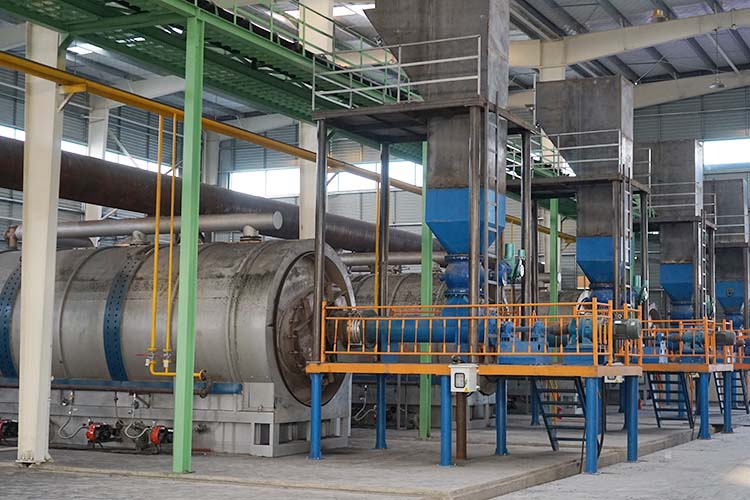
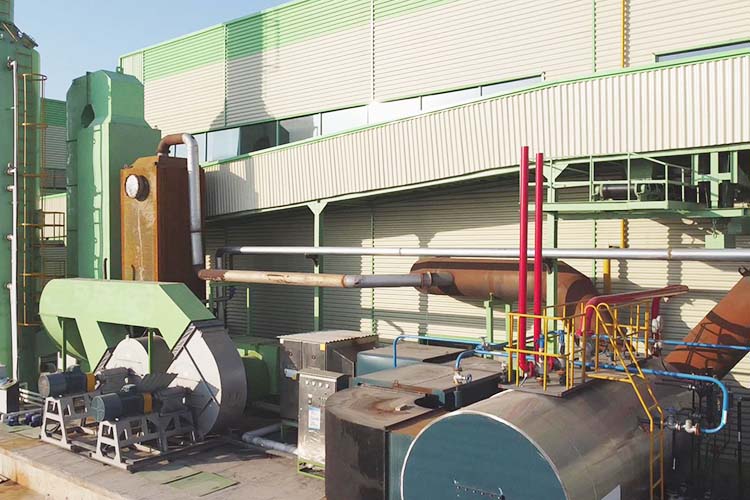
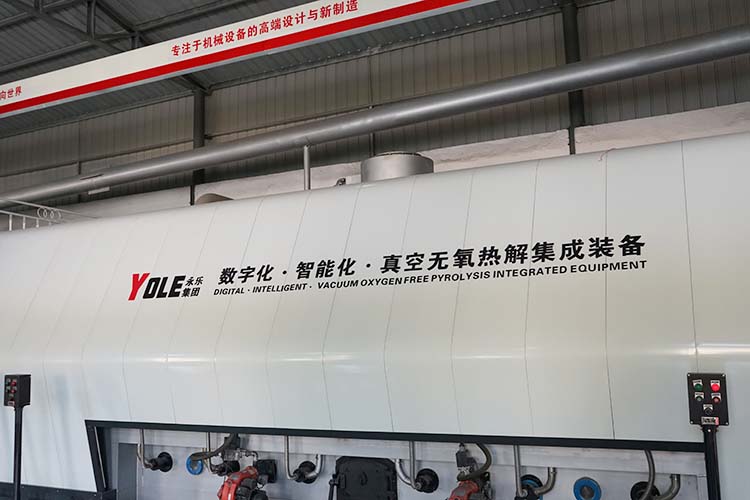
China Yongle Environmental Protection Engineering customized "West Africa EPR Compliance High-value Recycling Fund" waste and scrap tyre treatment equipment, accurately meeting the waste and scrap tyre treatment and recycling demands in West Africa: the equipment strictly follows the regulatory requirements of environmental departments in West Africa and EPR framework specifications. The integrated system of "intelligent sorting - hydraulic precision cutting - magnetic separation" is adopted in the pre-treatment stage to optimize the design of tungsten steel cutter, which can adapt to various waste and scrap tyres such as engineering tyres, passenger vehicle tyres and commercial vehicle tyres. The steel wire separation rate is up to 99.91%, and the separated steel wires can be directly recycled and reused, meeting the regional resource recovery standards; Meanwhile, it adapts to relevant standards for retreaded tyres in West African countries, which can help enterprises to carry out tyre retreaded business and further improve resource utilization rate. The core adopts the core technology of "high temperature pyrolysis+high value refining" and is equipped with online continuous emission monitoring system (OCEMS), which can monitor the exhaust emission indicators in real time and ensure full compliance with the environmental protection standards of West African countries. The pyrolysis temperature is accurately controlled at 770 ℃ and the purity of pyrolysis oil produced reaches 97.6%. The carbon black can be directly supplied to the refineries in the area for refining and utilization. After high value refining, the carbon black can be converted into recycled carbon black (RCB), which can be used in tyre reproduction and rubber product processing. The reclaimed rubber is widely used in infrastructure waterproofing, road filler and other fields, with an overall recycling rate of 97.9%, perfectly adapting to the high value regeneration requirements under the EPR framework. The equipment adopts the mode of "grid-diesel dual drive" to effectively cope with the power instability in some areas of West Africa. The operation interface is designed in both French and English, and the processing data can be uploaded to the EPR supervision platform of various countries in real time, so as to facilitate the enterprise to perform the producer responsibility traceability. The operation process is optimized and simplified, without the need of professional technical personnel, and adapt to the current situation of insufficient technical personnel in the region.
Covering the whole industry scene and adapting to multiple demands: in the waste and scrap tyre regeneration parks in core cities such as Lagos, Accra and Abidjan, the daily processing capacity of large equipment is 52-55 tons, the cluster operation forms a complete closed loop of "waste tyre - pyrolysis oil - RCB - regeneration product", the pyrolysis oil is directly supplied to the refineries in the region, RCB connects rubber enterprises in West Africa, assists enterprises in performing EPR responsibilities and meets the requirements of circular economy development; At infrastructure construction sites in various countries, mobile equipment is used to treat engineering waste tyres on site. The reclaimed rubber produced is used for road waterproof coiled materials and foundation fillers, which can meet the demand of infrastructure speed-up in the area and reduce the cost of infrastructure materials; In rural agricultural areas, the daily processing capacity of small equipment is 13-15t. Waste and scrap tyres can be processed into agricultural anti-skid pads and agricultural machinery accessories. Pyrolysis oil can be used for power supply of small generators to meet the needs of agricultural machinery operation and help agricultural production; At the recycling point along the highway, the mini equipment can process waste and scrap tyres on site, avoid outdoor stacking and long-distance transportation costs, and upload processing data in real time, meeting EPR traceability requirements; For tyre import and disposal enterprises, the supporting equipment can be connected to the import inspection process, helping enterprises to cope with import restrictions of second-hand tyres, realizing the integration operation of waste and scrap tyre import - disposal - regeneration, assisting enterprises in compliance operation, and applying for green investment incentive funds from governments of various countries.
Compliance coordination and local service guarantee: the equipment strictly conforms to the Environmental Laws of West African countries and EPR framework requirements, and is equipped with OCEMS monitoring system, which can help enterprises complete EPR certification and filing and enjoy the financial support related to automation and green technology initiatives of governments. Establish professional service stations in Lagos, Accra and Abidjan, provide equipment installation and commissioning, EPR compliance guidance and operation training services, provide French maintenance manuals, clearly mark the compliance utilization process of pyrolysis oil and RCB and equipment maintenance skills; High-strength wear-resistant materials are adopted for core parts, which can meet the requirements of high-strength operation. Wearing parts can be purchased and replaced locally to reduce operation and maintenance costs; With low equipment procurement cost and quick investment effect, the produced high-value renewable products can be directly connected to tyre production, oil refining, infrastructure, rubber and other industries in the region to help users quickly recover investment costs. At the same time, promote the waste and scrap tyre recycling industry from informal to formal and standardized transformation, reduce pollution problems, respond to the circular economy development strategies and EPR promotion goals of West African countries, help rubber industry green upgrade, comply with the relevant requirements of the EU Zero Destruction Forest Act on renewable materials, and improve the market competitiveness of renewable products in the region.
Yongle Environmental Protection is mainly engaged in the research and development, production and sales of complete sets of technical equipment for organic solid waste disposal and comprehensive utilization. Production and manufacturing, domestic waste treatment equipment, tire pyrolysis equipment, medical waste disposal equipment, hazardous waste disposal equipment, and achieve efficient and comprehensive utilization of resources through independently developed low-temperature anaerobic pyrolysis equipment technology solutions.
Tags:West African scrap tyre equipment EPR compliant high value regeneration,waste tire refining equipment,YONGLE GROUP
 Latest news