


 2026-02-05
According to the 2000 Ecological Waste Act (RA 9003) and the 1999 Clean Air Act (RA 8749), the Philippines has coordinated the supervision of household waste by the Department of Environment and Natural Resources (DENR), explicitly prohibiting open burning and storage of waste. It is mandatory for communities to establish Resource Recovery Stations (MRF) and promote mandatory waste classification. Violating regulations will result in fines of up to 5 million pesos for businesses and up to 100000 pesos for individuals. As the first country in the world to ban waste incineration, the Philippines has long faced a serious dilemma in waste disposal. The capital Manila produces about 6000 tons of domestic waste every day, of which 52% is organic waste (43% kitchen waste, 9% yard waste), 41% is recyclable. Most of the waste is transported to Payatas Waste Hill in Quezon City. This 220 hectare waste hill once collapsed due to rainstorm, causing more than 300 deaths, becoming a benchmark for waste management in the Philippines. There are currently 900 open-air dumping sites nationwide, and a recent collapse accident occurred at the Pinario landfill in Cebu City, exposing the shortcomings of facilities and regulatory loopholes. The Philippines is composed of over 7000 islands, with scattered terrain and a tropical monsoon climate. Typhoons occur frequently and rainfall is concentrated. Garbage is prone to spoilage and decay, producing foul odors and leachate, polluting the soil and surrounding waters. Unclassified composting is commonly used in rural areas, and the quality of fertilizers is extremely poor. There is an urgent need for processing equipment that is typhoon resistant, leak proof, decentralized, easy to operate, and in compliance with the requirements of the Ecological Waste Act to help communities achieve zero waste and reduce garbage mountains.
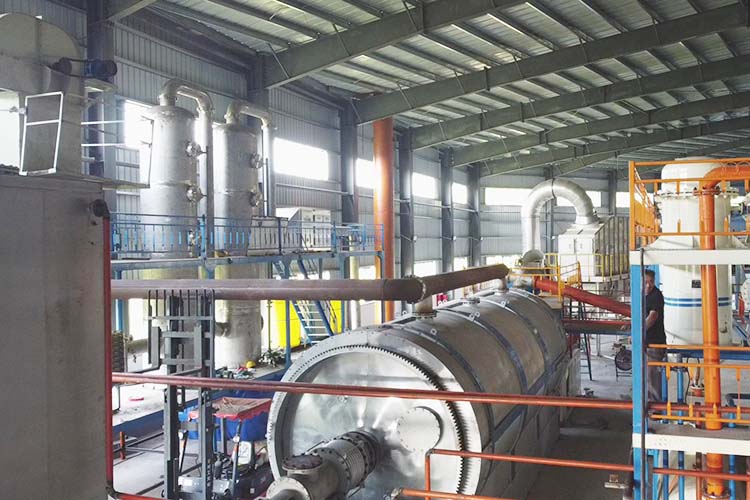
China Yongle Environmental Protection Project has targeted the development of "Philippines standard weather resistant decentralized" domestic waste treatment equipment: it adopts high-strength typhoon resistant alloy material+fully sealed leakproof tank, which can withstand the impact of typhoon, high temperature and humidity, and rainstorm erosion, adapts to the scattered terrain and climate characteristics of the Philippines, and is equipped with efficient dust removal, deodorization, and rainwater diversion modules. Its emission indicators fully meet the DENR standard. It has been filed by Manila and Cebu Environmental Management Bureau (EMB), meeting the construction requirements of "zero waste community". Equipped with a "grid solar dual drive+intelligent sorting system", it intelligently identifies recyclables, organic waste, and other garbage, automatically completes sorting without extensive manual intervention, and is equipped with Tagalog and English bilingual operation interfaces. Real time data is uploaded and processed to the DENR supervision platform and community resource recycling station management system for compliance verification and garbage reduction statistics. The core adopts a dual process of "high-temperature anaerobic fermentation+low-temperature drying" to avoid incineration bans. Organic waste can be fermented for 11 days to produce biogas with a methane content of ≥ 65%, which can be directly connected to local small-scale power plants or used as civilian fuel; After drying, recyclable materials are classified and temporarily stored. Organic fermentation products can be made into organic fertilizers for community greening or agricultural planting. After incineration ash solidification, it can be used as infrastructure filling, with an overall resource utilization rate of 81%. This effectively solves the pain points of high proportion of local organic waste, easy deterioration, and leachate pollution, and helps to reduce garbage mountains and decentralize community waste management.
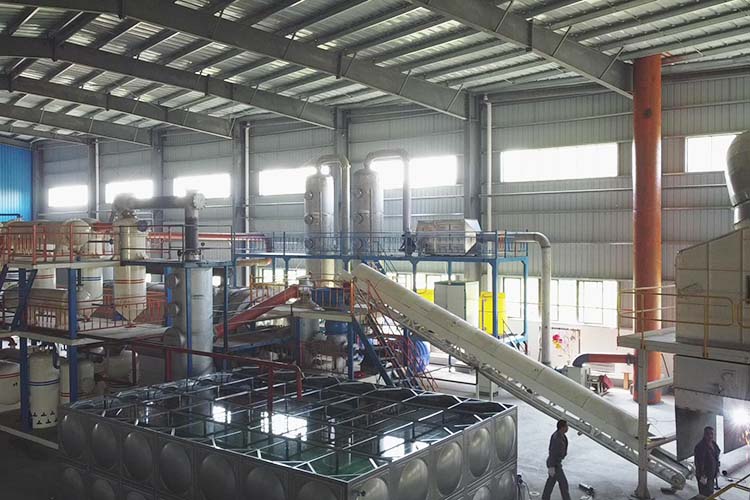
Adapting to the needs of the Philippines archipelago: around Payatas Garbage Mountain in Quezon City, the cluster equipment has a daily processing capacity of 120 tons, optimizing the waste reduction treatment process, collecting methane gas from landfills for power generation, significantly reducing air pollution and collapse risks, in line with DENR's garbage mountain management plan; In the Baseco slum community in Manila, modular equipment with a daily processing capacity of 65 tons is installed, and silent and deodorizing modules are added to avoid affecting residents' lives. At the same time, kitchen waste is converted into organic fertilizer to help improve the community's environment; In the city of San Fernando, the equipment is connected to 180 local community resource recycling stations to achieve a closed-loop system of garbage sorting, fermentation, and resource utilization, helping to maintain a 73% reduction rate of garbage and meeting the zero waste project needs promoted by the Mother Earth Foundation; At tourist attractions such as Boracay Island, small equipment with a daily processing capacity of 18 tons can convert organic waste into organic fertilizer for landscaping purposes, avoiding pollution of tourism resources and the sea; In rural areas of Palawan, small mobile devices with a daily processing capacity of 9 tons are powered by solar energy to adapt to remote and unstable power grid scenarios. The organic fertilizer produced by organic waste fermentation is directly supplied to rice paddies and coconut groves, meeting local agricultural needs and helping promote rural garbage classification.
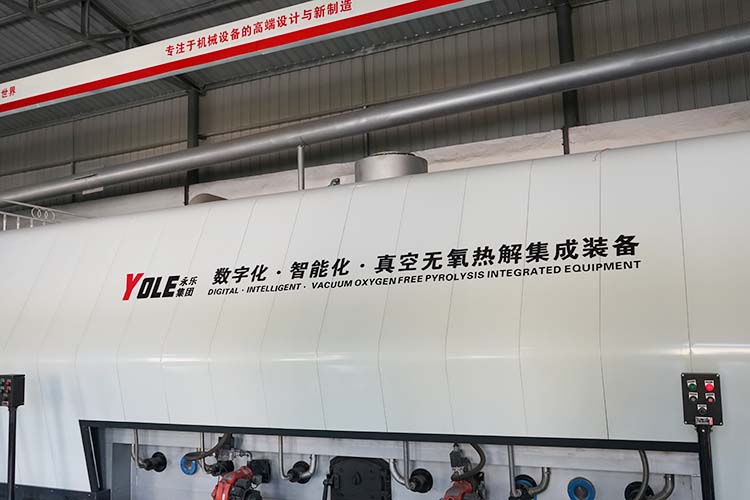
Local regulations and service guarantees: The equipment strictly complies with the requirements of the Ecological Waste Law and the Clean Air Law, and can help municipal departments and communities fulfill their responsibilities for decentralized waste management and mandatory classification, and enjoy government green investment incentives. Set up large service bases in Manila and Cebu, reserve core spare parts for typhoon resistance and leakage prevention, achieve 8-hour maintenance response in core cities, provide on-site maintenance services for remote islands, and adapt to the logistics characteristics of the archipelago. Provide bilingual training in Tagalog and English, as well as interpretation of local environmental regulations, to assist clients in completing compliance filing and MRF system integration. The energy consumption of equipment operation is 36% lower than traditional equipment, and it can participate in Philippine carbon credit trading. At the same time, optimize the operation and maintenance process, adapt to the current situation of Filipino technical personnel, significantly reduce operation and maintenance costs, help promote clean city construction in the Philippines, achieve zero community waste and garbage mountain management goals, and reduce garbage pollution to the sea and soil.
Yongle Environmental Protection is mainly engaged in the research and development, production and sales of complete sets of technical equipment for organic solid waste disposal and comprehensive utilization. Production and manufacturing, domestic waste treatment equipment, tire pyrolysis equipment, medical waste disposal equipment, hazardous waste disposal equipment, and achieve efficient and comprehensive utilization of resources through independently developed low-temperature anaerobic pyrolysis equipment technology solutions.
Tags:Anti-typhoon and anti-seepage adaptability of Philippine standard garbage equipment,household waste treatment equipment,YONGLE GROUP
 Latest news