


 2026-02-04
According to Vietnam's Environmental Protection Law, Regulations on the Management of Medical Waste, and relevant regulatory requirements of MONRE, medical waste is classified as hazardous waste and is subject to full process supervision of "classified collection closed-loop transportation full chain traceability harmless treatment". The sterilization rate of infectious medical waste must reach 99.999%, and medical institutions must use specialized color coded containers for classified storage and establish complete processing records. Violation of disposal will face a maximum fine of 1 billion Vietnamese dong, and those with serious circumstances will have their medical practice license revoked. After the COVID-19, Vietnam's production of medical waste has soared, and the discharge of disposable protective equipment (PPE), waste syringes and other wastes has increased significantly. The country produces about 48000 tons of medical waste every year, of which infectious and chemical hazardous medical waste accounts for 30%. Vietnam implements a universal healthcare system, with multiple large central hospitals in Hanoi and Ho Chi Minh City, and provincial and county-level hospitals in each province. Township clinics and private medical centers are densely distributed, but medical resources are uneven. Grassroots medical points generally suffer from equipment shortages, unstable electricity, and insufficient technical personnel. At the same time, many parts of Vietnam experience frequent floods during the rainy season, requiring extremely high waterproof and leak proof performance for medical waste treatment equipment. There is an urgent need for treatment equipment that is adapted to the local climate, portable and efficient, MONRE compliant, and meets the needs of medical facilities of different scales.
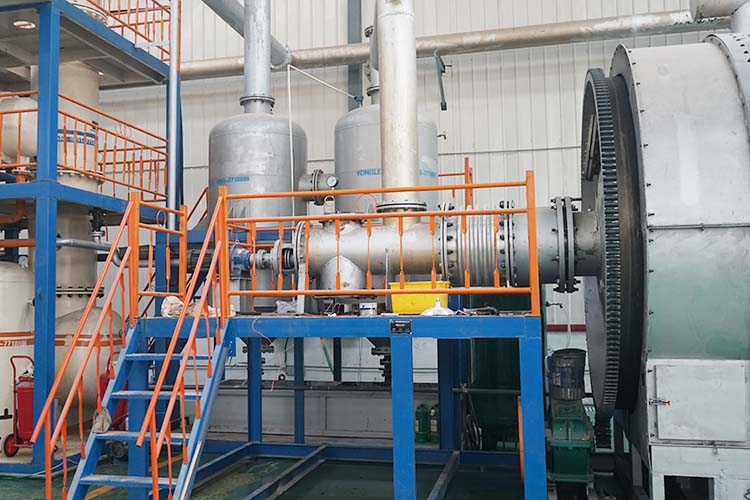
China Yongle Environmental Protection Engineering Special Research and Development "MONRE Compliance Intelligent Traceability" Medical Waste Treatment Equipment: The core adopts "high temperature and high pressure steam sterilization+ultraviolet synergy" technology, optimizes adaptation parameters, and works in a high temperature and high pressure environment of 128 ℃ for 35 minutes, with a sterilization rate of 99.9995%. It has passed MONRE's comprehensive biological safety testing and international certification, fully complying with medical waste disposal standards, with a waste volume reduction rate of 84%. After treatment, the residue can be safely solidified and buried to avoid secondary pollution. The equipment strictly complies with MONRE traceability requirements and is equipped with an RFID full chain traceability system. It automatically records information such as medical waste classification, processing time, and operators, and generates bilingual traceability reports in Vietnamese and English. It can be directly connected to the MONRE regulatory platform for easy verification by regulatory authorities. At the same time, it supports remote control with mobile phones, with a high degree of automation, which is worry free and labor-saving. It is divided into three categories: large linkage model, medium standard model, and mini portable model. The mini model weighs only 52 kilograms and can be manually transported to primary medical points. It is equipped with a "power grid battery dual guarantee" system to cope with unstable electricity and rainy season flood scenes in some areas of Vietnam. The operation interface is Vietnamese language graphic and textual guidance, with clear labeling of classification processing procedures. Medical staff can master it proficiently in 15 minutes without complex circuits and control systems, which is suitable for the shortage of technical talents in primary medical points.
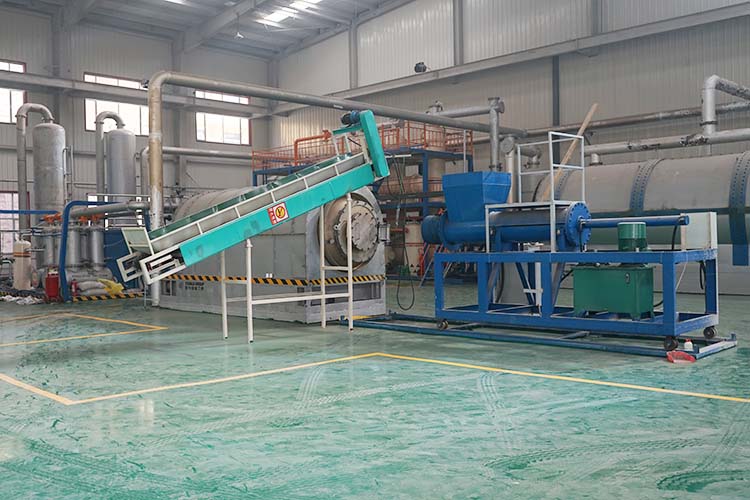
Multi scenario precise adaptation: At the Hanoi Central Hospital, the large linkage equipment has a daily processing capacity of 480 kilograms and supports the classification and treatment of infectious, chemical, and radioactive (low-dose) medical waste. It seamlessly integrates with the hospital's intelligent logistics system and has a complete traceability system, fully meeting MONRE regulatory requirements; At the provincial hospital in Ho Chi Minh City, the daily processing capacity of medium-sized equipment is 160 kilograms, which is suitable for the centralized processing needs of medium-sized medical facilities. It can achieve remote monitoring and operation, has waterproof and leak proof functions, and is suitable for rainy season and flood scenes; In township clinics and remote medical points, mini portable devices have a daily processing capacity of 38 kilograms, are compact in size, do not require professional installation, use battery+solar energy auxiliary power supply, and can continuously process 6 batches of medical waste on a single charge, avoiding the risk of long-distance transportation of medical waste and reducing transportation costs. At the same time, they have waterproof performance and can cope with humid environments during the rainy season; In emergency situations of the epidemic, mobile cabin type equipment can be quickly deployed to temporary medical points, with a daily processing capacity of 300 kilograms, efficiently disposing of infectious medical waste, and safeguarding public health and safety; In private medical centers, small smart devices are suitable for small spaces, easy to operate, and do not require dedicated maintenance. They can remotely control the operating status, greatly reducing operating costs and meeting the low-cost operation needs of private institutions.
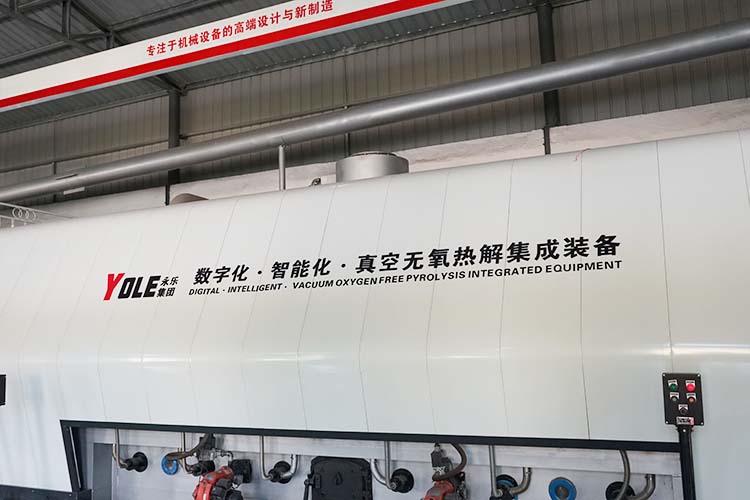
Compliance and localization support: The equipment has passed the MONRE full compliance audit and international biosafety certification, and has been included in the recommended procurement list of the Vietnamese Ministry of Health. It assists medical institutions in completing compliance filing and traceability system integration, in line with the relevant requirements of the Vietnamese Medical Equipment Management Law. Establish a training center in Hanoi to provide bilingual compliance operation and maintenance training in Vietnamese and English, covering grassroots medical staff; Common spare parts adopt universal specifications and can be supplemented in the local hardware market in Vietnam to reduce operation and maintenance costs; The procurement cost of a single device is 44% lower than similar products in Europe and America, with no subsequent high consumables costs. It accurately adapts to the uneven distribution of medical resources, weak grassroots technology, and rainy season climate characteristics in Vietnam. At the same time, it optimizes intelligent and traceability processes to help medical institutions fulfill their compliance responsibilities, reduce public health risks caused by medical waste leakage, and safeguard the medical safety of the whole nation.
Yongle Environmental Protection is mainly engaged in the research and development, production and sales of complete sets of technical equipment for organic solid waste disposal and comprehensive utilization. Production and manufacturing, domestic waste treatment equipment, tire pyrolysis equipment, medical waste disposal equipment, hazardous waste disposal equipment, and achieve efficient and comprehensive utilization of resources through independently developed low-temperature anaerobic pyrolysis equipment technology solutions.
Tags:Emergency rapid deployment of Vietnamese medical waste equipment cabin funds,medical waste treatment equipment,YONGLE GROUP
 Latest news