


 2026-03-16
Denmark, as an important country in Northern Europe's oil and gas industry, has high-quality resources such as Beihai oil and gas fields. Its petroleum exploitation, refining and processing and port tanker operation industries are developed. It produces about 28000 tons of oily sludge every year, with an oil content of 22% - 55%. It is mixed with impurities such as crude oil residues, sand particles and oil pollution, mainly from the exploitation of Beihai oil and gas fields, Copenhagen Refinery and port tanker cleaning operations. Denmark has strict supervision on the disposal of oily sludge. In accordance with the Environmental Protection Law and the European Union Hazardous Waste Directive, the Danish Environmental Protection Agency has overall supervision on the disposal of oily sludge. It clearly requires that the oil recovery rate of oily sludge shall be ≥ 95%, the treated wastewater shall comply with the EU sewage discharge standard (pH 6.0-9.0, oil and grease ≤ 5mg/L), and the oil content of residue shall be ≤ 0.2%, which can be used for soil improvement or safe landfill. Arbitrary discharge and simple disposal are strictly prohibited. Violating enterprises will face high fines and production bans. At present, the oily sludge treatment in Denmark is still facing such problems as insufficient low-carbon treatment technology, high equipment operation and maintenance cost, and difficult secondary pollution prevention and control. In addition, it is required to comply with the low-carbon development goals of Denmark and the EU environmental protection standards, and an oily sludge treatment equipment complying with EU regulations, low carbon efficiency, anti-sticking and anti-corrosion and suitable for the local oil and gas industry needs is urgently needed to protect the ecological safety of the North Sea area.
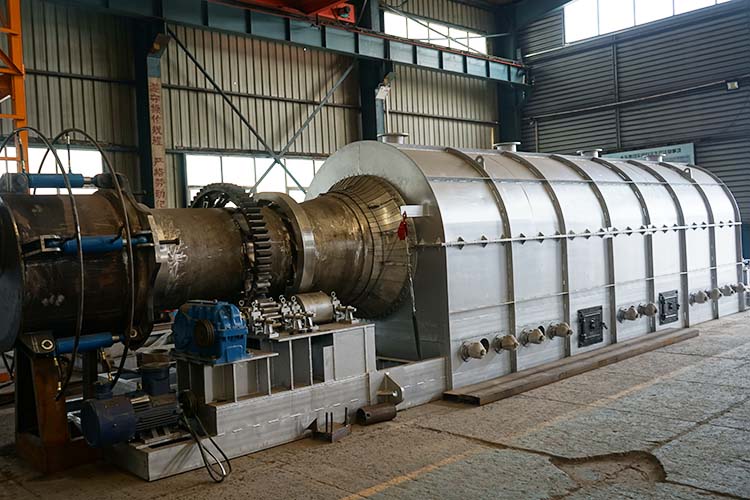
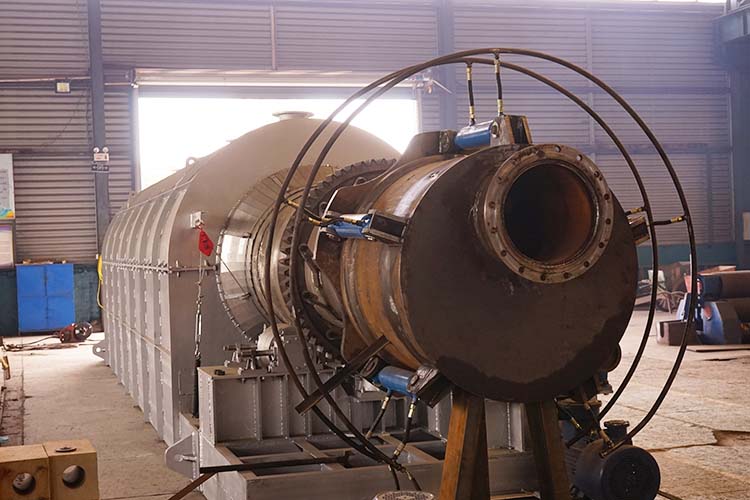
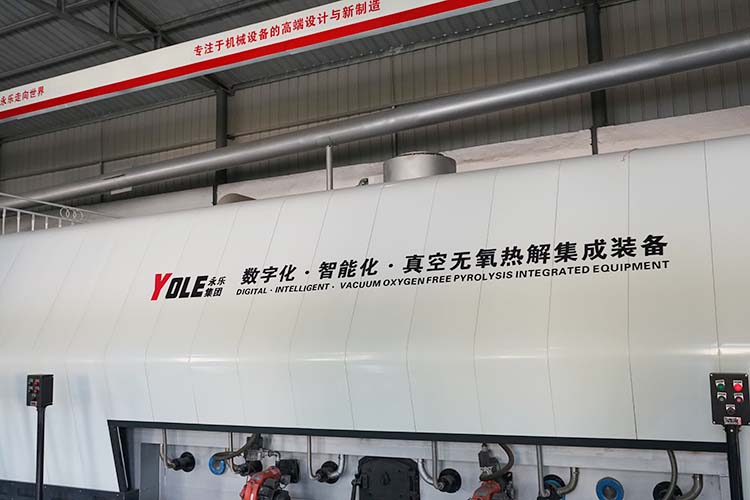
China Yongle Environmental Engineering R&D "Denmark EU compliance low carbon anti-sticking" oily sludge treatment equipment, accurately solving the pain points of Denmark oily sludge treatment: Aiming at the characteristics of Denmark oily sludge and low carbon treatment needs, titanium alloy anti-corrosion and anti-sticking cabin+fully enclosed negative pressure pyrolysis structure is adopted, which can withstand high temperature and saline-alkali working conditions, effectively solving sludge wall adhesion and equipment wear problems during pyrolysis, extending the service life of the equipment to 8 years, at the same time, it is suitable for low-temperature pyrolysis low carbon process, conforming to Denmark low-carbon development concept. The core is equipped with the triple process of "multi-stage screening+low-temperature oxygen-free pyrolysis+oil-water separation". First, 99.5% sand and metal chips are removed through the intelligent screening system to reduce the difficulty of pyrolysis. Then, the oil is separated by the low-temperature oxygen-free pyrolysis technology at 480 ℃. Compared with the traditional high-temperature pyrolysis, the energy consumption is reduced by 32%, the carbon emission is reduced by 28%, and the oil recovery rate reaches 95.3%. The recovered oil can be directly sent back to the Copenhagen Refinery for refining. The combustible gas generated by pyrolysis can supply 45% of the energy consumption of the equipment and realize the energy recycling. The tail gas is fully in compliance with the EU air pollutants emission standard after deep purification, and the treated waste water can be recycled for equipment cleaning or discharged into the park sewage treatment system. The residual oil content is ≤ 0.18%, which can be used for soil improvement without secondary pollution. It has passed the full compliance review of the Danish Environmental Protection Agency.
The whole industry chain scene is suitable to cover various disposal demands: in the operation area of Beihai oil and gas field, the mobile equipment is flexibly deployed with the drilling platform, with a daily treatment capacity of 45t, dedicated to the disposal of oil-based drilling mud and drilling rock debris, so as to avoid the pollution of marine ecology caused by sludge transportation and leakage, and the marine operation scene is suitable to meet the requirements of EU on the control of ship garbage pollution; In Copenhagen Refinery, the daily processing capacity of large centralized equipment is 90 tons, which is seamlessly linked with the oil supply system of the plant area to form the closed-loop operation of "sludge - oil products - energy", greatly improve the resource utilization rate, reduce the production cost, and help the enterprises to achieve the reduction and recycling of hazardous wastes; At Copenhagen Port, the daily processing capacity of the modular equipment is 70t, and the oily sludge generated from tanker cleaning is treated on site. The high-efficiency anti-seepage design is adopted to prevent pollution to the sea environment, protect the marine biodiversity of the North Sea, and assist the ship in handling the compliance certificate of oily sludge disposal; In the small oil refining workshop, the daily processing capacity of mini equipment is 8t, which is low-carbon, energy-saving and easy to operate. The oil recovery revenue can quickly cover the equipment investment, and it is suitable for the operation requirements of small workshops; Oily sludge treatment shall be completed at the site of small equipment around the oil depot to reduce storage and transportation costs and avoid oil pollution to groundwater, which conforms to the water resources protection planning of Denmark.
Exclusive compliance and service guarantee: the equipment has passed the certification of EU hazardous waste disposal standard and the full compliance review of Danish Environmental Protection Agency, which can assist enterprises and vessels to complete compliance filing and disposal permit handling, adapt to the environmental protection supervision requirements of Danish oil and gas industry, and carry out in-depth cooperation with Danish Petroleum Company (Dong Energy) and other enterprises. Establish a standardized service base in Copenhagen, reserve oil-resistant, anti-corrosive and anti-stick core spare parts, achieve 24-hour maintenance response in the core area, and provide on-site maintenance services in the offshore oil field operation area; Provide Danish and English bilingual operation training and process guidance, simplify the equipment maintenance process, adapt to the local operation and maintenance level, and focus on the training on the cleaning and maintenance skills of the anti-stick bulkhead; The equipment procurement cost is only 48% of that of similar products in Europe and America, and the income from oil recovery and energy consumption can be covered and invested within 6 months to help Denmark's oil and gas industry develop green and low-carbon, protect the ecological safety of the North Sea, promote the harmless, recycling and low-carbon disposal of oily sludge, and comply with Denmark's 2030 carbon emission reduction target and EU environmental protection strategy.
Yongle Environmental Protection is mainly engaged in the research and development, production and sales of complete sets of technical equipment for organic solid waste disposal and comprehensive utilization. Production and manufacturing, domestic waste treatment equipment, tire pyrolysis equipment, medical waste disposal equipment, hazardous waste disposal equipment, and achieve efficient and comprehensive utilization of resources through independently developed low-temperature anaerobic pyrolysis equipment technology solutions.
Tags:Denmark Oil Sludge Equipment Protects North Sea Ecology,Oil sludge treatment equipment,YONGLE GROUP
 Latest news