


 2026-03-16
Denmark's automobile industry is developed, with automobile parc ranking top in EU, annual consumption of about 1.2 million tyres and annual production of about 15000 tons of waste and scrap tyres. The waste and scrap tyre management complies with the Environmental Protection Law and relevant EU directives, and a tax-centered recycling system is established. The government levies taxes on tyre manufacturers and importers, establishes a special fund to subsidize the waste and scrap tyre recycling industry, and strictly implements the new policy requirements of EPR. The tyre manufacturer shall assume the responsibility for recycling and disposal of waste and scrap tyres, and implements the management mode of "Who manufactures shall be responsible". At present, Denmark's waste and scrap tyre recycling system is mature, but it is still facing problems such as low added value of recycling and insufficient low-carbon disposal technology. In addition, it is required to comply with the requirements of the EU Zero Destruction Forest Act on renewable materials, focus on promoting high-value recycling of waste and scrap tyres, focus on recycling carbon black (RCB), desulfurized rubber and other products, and apply them to automobile manufacturing, road construction, industrial sealing and other fields. Denmark focuses on the development of circular economy and low carbon, and has high requirements on energy consumption, emission and regeneration efficiency of waste and scrap tyre treatment equipment. Therefore, it is in urgent need of a waste and scrap tyre treatment equipment suitable for EPR new policy, low carbon efficiency, high value regeneration and complying with local recycling system.
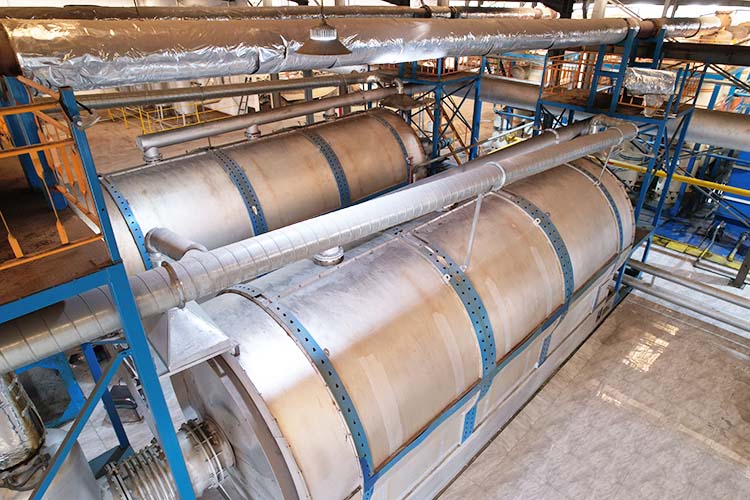
China Yongle Environmental Protection Engineering customized "Denmark EPR compliance low carbon high value recycling fund" waste and scrap tyre treatment equipment, accurately meeting Denmark waste and scrap tyre treatment and recycling demand: the equipment strictly follows Denmark EPR new policy and EU environmental protection standards, can assist tyre manufacturers and importers in completing EPR registration and annual report declaration, perform manufacturer extension responsibilities, adapt to Denmark waste and scrap tyre recycling subsidy policy, and help enterprises apply for special government subsidies. In the pretreatment stage, the integrated system of "intelligent sorting - hydraulic precision cutting - magnetic separation" is adopted to optimize the design of tungsten steel cutter, which can adapt to various waste and scrap tires such as engineering tire, passenger car tire and commercial vehicle tire. The separation rate of steel wire is up to 99.93%, and the separated steel wire can be recycled, conforming to the Danish resource recovery standard. The core adopts the low carbon technology of "low temperature pyrolysis+high value refining", the pyrolysis temperature is accurately controlled at 450 ℃, the energy consumption is reduced by 30% compared with the traditional high temperature pyrolysis, the carbon emission is reduced by 25%, and the online continuous emission monitoring system (OCEMS) is equipped to monitor the tail gas emission in real time, so as to ensure compliance with the EU and Danish air pollutants emission standards. The pyrolysis oil purity reaches 98%, which can be directly supplied to the local refinery for refining or used as industrial fuel. After refining, the carbon black is converted into recycled carbon black (RCB), which can be used for tyre reproduction and rubber product processing. The reclaimed rubber is used for road construction, industrial sealing and other fields, and the overall resource utilization rate reaches 98.2%.
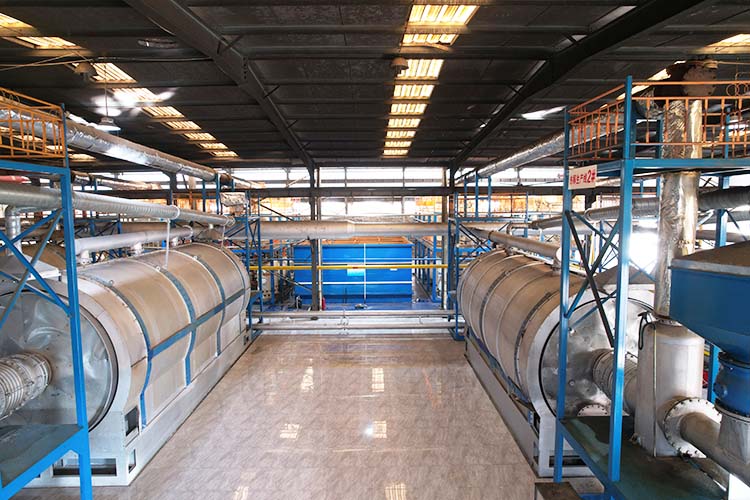
The whole industry scene covers multiple demands: in Copenhagen Waste and scrap tyre recycling park, the daily processing capacity of large equipment is 58t, the cluster operation forms a complete closed loop of "waste tyre - pyrolysis oil - RCB - recycling products", the pyrolysis oil is directly supplied to the local oil refinery, and RCB docks with Danish tyre manufacturing enterprises, assists enterprises in performing EPR responsibilities and meets the requirements of circular economy development; At the road construction site in Denmark, the mobile equipment is used to treat the engineering waste tire on site. The reclaimed rubber produced is used for road laying, reducing the use of natural rubber, reducing the infrastructure cost, and complying with the low-carbon infrastructure concept; In Karenburg Ecological Industrial Park, the equipment is integrated into the industrial symbiosis system, and the heat energy and renewable materials generated from waste tire treatment are supplied to other enterprises in the park, so as to realize resource sharing and recycling, help the park reduce carbon dioxide emissions every year, and meet the low carbon development goal of the park; In tire import and sales enterprises, the supporting equipment can be connected with the import inspection process, assisting enterprises in responding to the environmental protection supervision of the EU, and realizing the integration operation of waste and scrap tire import, disposal and regeneration; In rural areas of Denmark, small equipment can process waste and scrap tyres into agricultural machinery accessories and fence materials, which can meet agricultural production demands and realize resource recycling, meeting the requirements of rural environmental protection development.
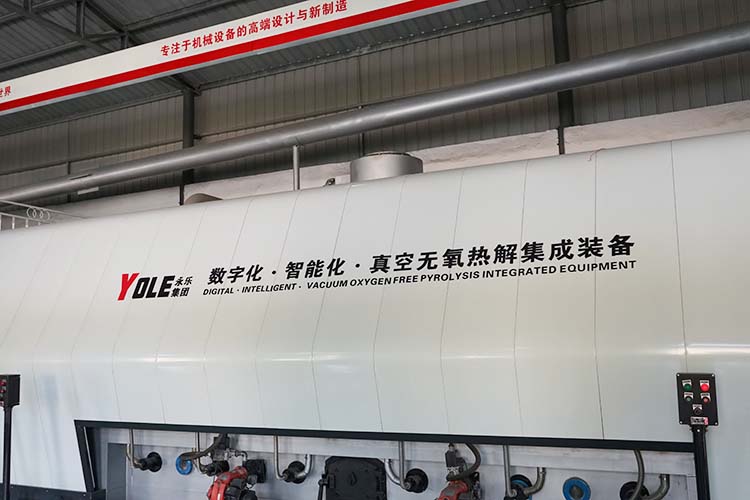
Compliance coordination and local service guarantee: the equipment strictly complies with the Environmental Protection Law of Denmark and the new requirements of EPR, and is equipped with OCEMS monitoring system, which can help enterprises complete EPR certification and filing and enjoy government green technology subsidies and tax relief. Set up a professional service site in Copenhagen, provide operation training in Danish and English and EPR compliance guidance, provide maintenance manuals in Danish and clearly indicate the compliance and utilization process of renewable products; Wear-resistant materials of EU standard are adopted for core parts, which can meet the requirements of high-strength operation. Wearing parts can be purchased and replaced locally in Denmark to reduce operation and maintenance costs; The equipment procurement cost is low and the investment takes effect quickly. The produced high-value renewable products can be directly connected to the local tyre manufacturing, oil refining, infrastructure construction and other industries to help users quickly recover the investment cost. At the same time, promote the waste and scrap tyre recycling industry to low-carbon and high-value transformation, reduce pollution problems, respond to the Danish circular economy development strategy, help rubber industry green upgrading, and comply with the EU zero destruction forest act and low-carbon development goals.
Yongle Environmental Protection is mainly engaged in the research and development, production and sales of complete sets of technical equipment for organic solid waste disposal and comprehensive utilization. Production and manufacturing, domestic waste treatment equipment, tire pyrolysis equipment, medical waste disposal equipment, hazardous waste disposal equipment, and achieve efficient and comprehensive utilization of resources through independently developed low-temperature anaerobic pyrolysis equipment technology solutions.
Tags:Denmark Waste Tire Regeneration Output RCB Helps Industry Upgrade,waste tire refining equipment,YONGLE GROUP
 Latest news