


 2025-11-28
As a "country of the ocean", Japan has a high dependence on oil imports. The port industrial areas such as Yokohama, Kobe, Chiba, and the Seto Inland Sea oil fields produce about 150000 tons of oily sludge annually, with an oil content generally ranging from 18% to 32%, mixed with impurities such as sand and gravel, drilling cuttings, and chemical additives. If these sludge are not treated properly, they can contaminate waters such as the Pacific Ocean and the Seto Inland Sea through surface runoff or maritime transportation leaks, posing a threat to coral reef ecology and fishery resources. According to the Marine Pollution Prevention Law and the Oil Pollution Response Law, the oil recovery rate of oily sludge must not be less than 86%, and the residue after treatment must meet the "marine environmental protection level" standard. Traditional treatment methods have been strictly restricted due to low efficiency and high risk of secondary pollution, and efficient and environmentally friendly treatment equipment has become a must-have for industrial enterprises in port areas.
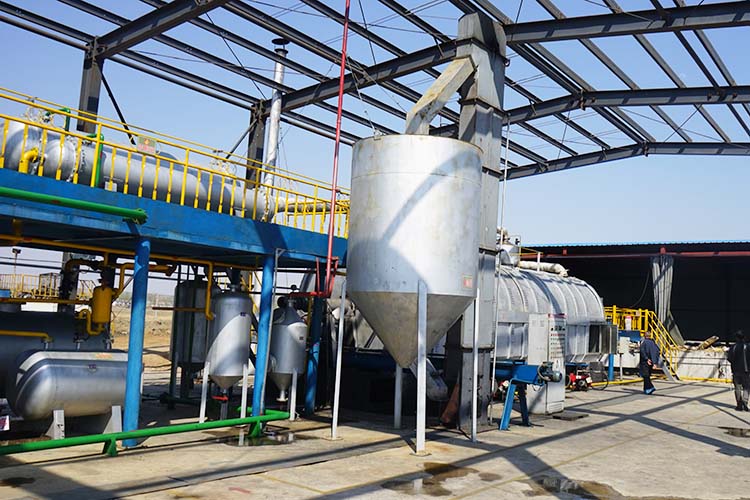
China Yongle Environmental Protection Engineering has developed an integrated equipment for "precise impurity removal negative pressure distillation deep purification" based on the characteristics of oily sludge in Japan. In the pretreatment stage, a triple module of "cyclone sand removal+magnetic separation iron removal+centrifugal dehydration" is used to remove more than 98% of solid impurities and reduce the sludge moisture content to below 18%, solving the pain point of traditional equipment blockage; The core distillation system adopts the technology of "intelligent temperature control+negative pressure distillation" to achieve efficient oil separation in a low-temperature environment of 370-400 ℃, with an oil recovery rate of over 89%. The recovered oil meets the Japanese JIS K 2205 fuel standard after refining and can be directly reused in industrial production or sold as ship fuel. The contact parts of the equipment are made of titanium alloy material that is resistant to seawater corrosion, optimized for high salt spray conditions in Lingang, with a continuous operating life of over 30 months.
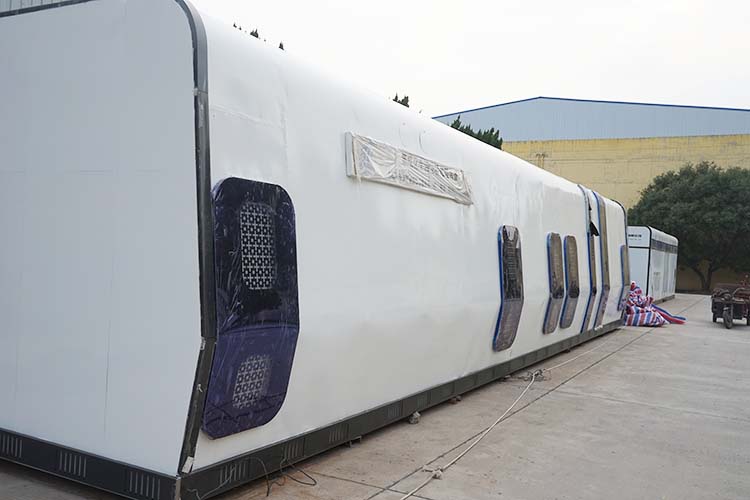
Full industry chain scenario coverage: In the Seto Inland Sea oilfield, mobile equipment can be carried on drilling platforms or transport ships, with a daily processing capacity of 8 tons, avoiding the risk of marine leakage caused by long-distance transportation of oily sludge. The separated oil is directly transported back to the production system; At Chiba Refinery, the daily processing capacity of large-scale centralized equipment reaches 28 tons, which is linked with the plant's sewage treatment system to achieve the recycling of "sludge oil separation fuel". The harmless residue can be used to make building materials for port breakwaters; In the Kobe Chemical Industrial Park, modular equipment is specialized in processing oily sludge generated during chemical production, with a daily processing capacity of 6 tons. The recovered oil is used for the park's heating system, reducing energy costs; At Yokohama Port, small mobile devices can quickly process oily sludge generated during ship maintenance, achieving "on-demand processing".
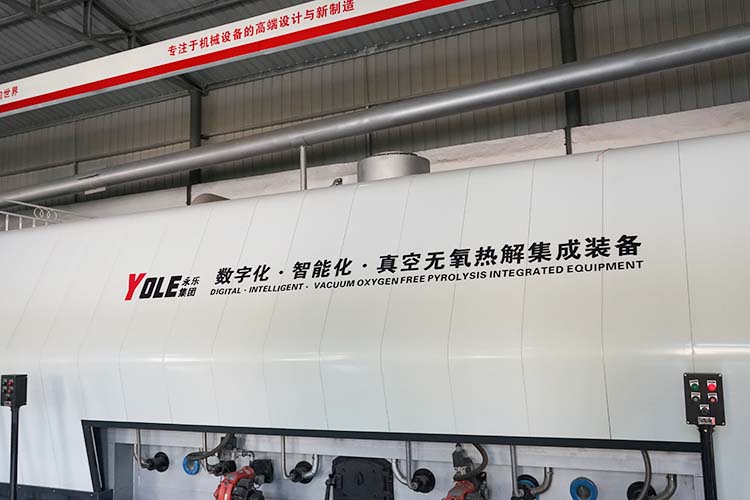
We provide localization services in Japan: our equipment has been certified by the Japanese Ministry of Environment and JIS B 8943 industrial wastewater treatment equipment standards, assisting clients in completing industrial environmental protection filing and marine pollution prevention and control permit applications in Lingang. Set up two service bases in Kobe and Chiba, reserve specialized spare parts suitable for port and oilfield scenarios, and cooperate with local engineering service companies to ensure equipment failure response within 24 hours. There is no secondary pollution during the operation of the equipment, and the discharge indicators of wastewater and exhaust gas are better than Japanese environmental standards. It can be safely deployed in sensitive areas such as ports, oil fields, and chemical zones, helping Japan to protect marine ecology and achieve coordinated development of industry and environment.
Yongle Environmental Protection is mainly engaged in the research and development, production and sales of complete sets of technical equipment for organic solid waste disposal and comprehensive utilization. Production and manufacturing, domestic waste treatment equipment, tire pyrolysis equipment, medical waste disposal equipment, hazardous waste disposal equipment, and achieve efficient and comprehensive utilization of resources through independently developed low-temperature anaerobic pyrolysis equipment technology solutions.
Tags:Efficient equipment solution to the problem of Japanese oil sludge,Oil sludge treatment equipment,YONGLE GROUP
 Latest news