


 2026-02-03
According to the Solid Waste and Public Cleanliness Management Act 2007 (Act 672) and the Solid Waste and Public Cleanliness Management (Amendment) Act 2025 (Act A1771), Malaysia's Ministry of Environment (DOE) coordinates the management of household waste and strictly prohibits the indiscriminate disposal of solid waste in public places and public roads. Violators will face a maximum fine of RM2000 and community service penalties. In line with the promotion of Malaysia's Solid Waste Circular Economy Blueprint for 2025-2035, the country has set a national recycling rate target of 40% by 2025, achieving net zero carbon emissions in solid waste management by 2050, and promoting the transformation of garbage towards "reduction, resource utilization, and energy utilization". Currently, Malaysia's domestic waste management is facing significant challenges. The three core cities of Kuala Lumpur, Penang, and Malacca are densely populated, with Kuala Lumpur having a population density of 6.56 million people and generating approximately 12000 tons of domestic waste per day. Organic waste accounts for 56% of the waste, including a large amount of food residue, palm oil processing by-products, and fruit and vegetable waste; Penang still relies mainly on landfilling, with the Pulau Bulong sanitary landfill undertaking the main disposal task, while Kuala Lumpur has gradually promoted circular economy projects such as waste incineration and power generation. The whole territory has a tropical climate, with high temperature and rainfall throughout the year, high humidity, and abundant annual precipitation. Garbage is easy to deteriorate, produce odor and leachate, and pollute the soil and surrounding water systems. In addition, the climate of Peninsular Malaysia is significantly different from that of East Malaysia (Sabah, Sarawak). The rainfall is concentrated in the northeast monsoon period of East Malaysia, and the equipment is highly required to be resistant to moisture, corrosion, and rainstorm impact. It is urgent to adapt to the local climate, conform to the blueprint of circular economy, and low-cost and easy to operate and maintain treatment equipment.
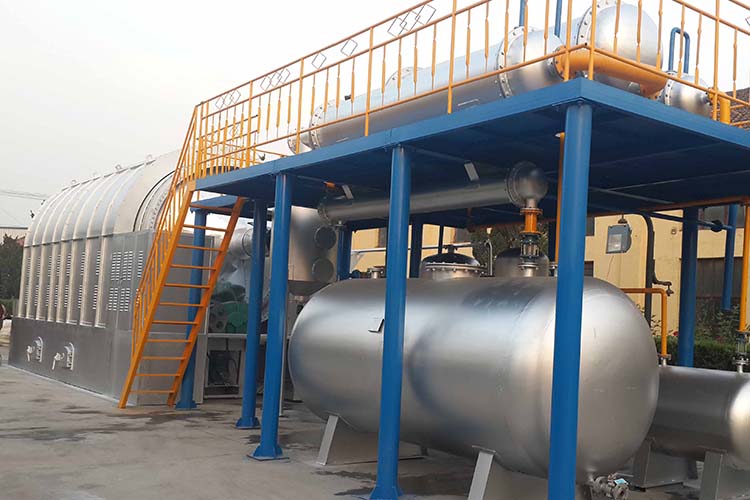
China Yongle Environmental Protection Project has targeted the development of domestic waste treatment equipment of "Ma Biao Weather resistant Energy Fund": it adopts anti-corrosion and moisture resistant alloy cabin+fully sealed anti leakage structure, which can withstand high temperature, high humidity and rainstorm impact, adapt to different climate scenarios in the peninsula and East Malaysia, and is equipped with efficient dust removal, odor removal and rainwater diversion modules. Its emission indicators fully comply with the standards of the Ministry of Environment (DOE) of Malaysia. It has been filed by the municipal departments of Kuala Lumpur and Penang, and meets the requirements for efficient use of resources in the circular economy blueprint. Equipped with a "grid solar dual drive+intelligent sorting system", it intelligently identifies recyclables, organic waste, and other garbage, automatically completes sorting without extensive manual intervention, and is equipped with a bilingual operation interface in Malay and English. Real time data is uploaded and processed to the local environmental protection supervision platform for compliance verification. The core adopts a dual process of "high-temperature anaerobic fermentation+garbage incineration power generation". Organic waste can be fermented for 12 days to produce biogas with a methane content of ≥ 68%, which is directly connected to local small-scale power plants; The combustible part of dry waste is used for incineration power generation, while the non combustible part is recycled and reused. After the incineration ash is solidified, it is used as infrastructure filling material, with an overall resource utilization rate of 84%. This effectively solves the pain points of high organic waste proportion and easy deterioration in the local area, helps to improve the garbage recycling rate, and promotes the transformation from waste to energy.
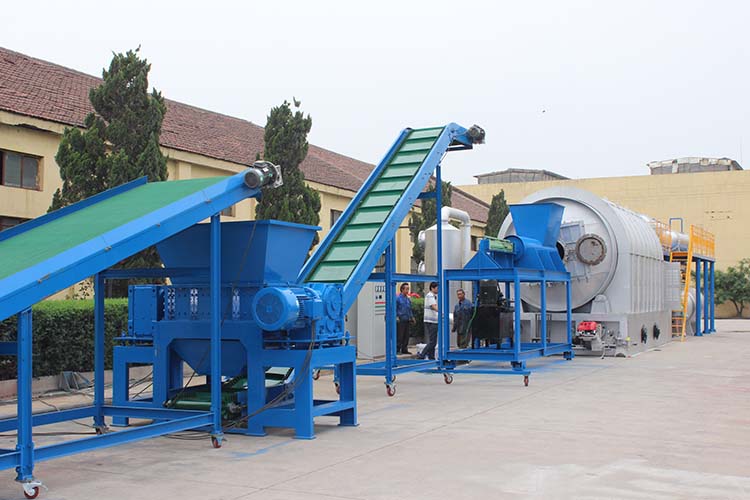
Adapting to the needs of Malaysia: At the Kuala Lumpur waste incineration plant, cluster equipment optimizes the incineration process to improve combustion efficiency, with a daily processing capacity of 150 tons, significantly reducing harmful gas emissions and helping to reduce urban waste. At the same time, electricity is directly supplied to surrounding communities; In Penang, the equipment is adapted to the reduction needs of the Pulau Bulong sanitary landfill, with a daily processing capacity of 80 tons, promoting garbage sorting and recycling, extending the service life of the landfill, and in line with Penang's source waste classification policy; In the Malacca tourist attraction, modular equipment is equipped with silent and deodorizing modules to avoid polluting tourism resources and achieve waste recycling; In rural areas of Sarawak and Sabah in East Malaysia, small mobile devices have a daily processing capacity of 12 tons. They are powered by solar energy and suitable for remote and unstable power grid scenarios. The organic fertilizer produced by organic waste fermentation is directly supplied to palm and rubber plantations to meet local agricultural needs; In the Klang Valley area, the equipment is connected to the Ecogen recycling bank app to track the weight of recyclable materials and help promote community garbage classification.
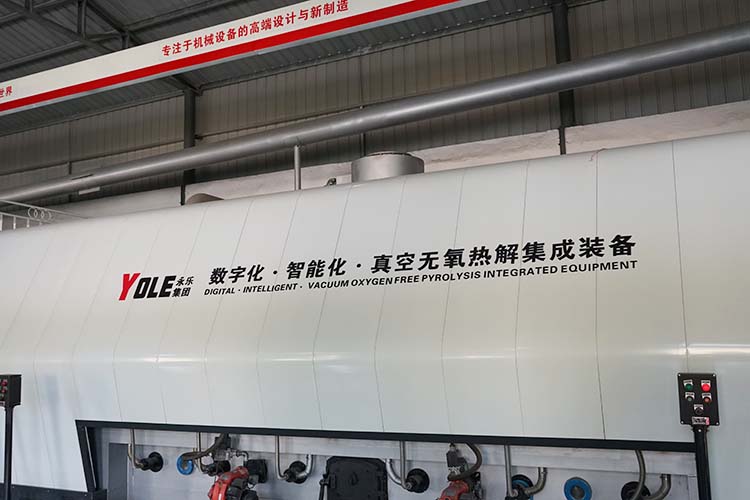
Local compliance and service guarantee: The equipment strictly complies with the requirements of the "2025 Solid Waste and Public Cleanliness Management Amendment" and the circular economy blueprint, which can help enterprises fulfill their environmental responsibilities and enjoy relevant policy support. Set up large service bases in Kuala Lumpur and Penang, reserve moisture resistant and corrosion-resistant core spare parts, achieve 4-hour maintenance response in core cities, and provide on-site maintenance services in remote areas of East Malaysia. Provide bilingual training in Malay and English, as well as interpretation of local environmental regulations, to assist clients in completing compliance filing. The energy consumption of equipment operation is 42% lower than traditional equipment, and it can participate in carbon credit trading. At the same time, optimize the operation and maintenance process, adapt to the current situation of technical talents in Malaysia, significantly reduce operation and maintenance costs, and help Malaysia promote clean city construction and achieve the goal of circular economy development.
Yongle Environmental Protection is mainly engaged in the research and development, production and sales of complete sets of technical equipment for organic solid waste disposal and comprehensive utilization. Production and manufacturing, domestic waste treatment equipment, tire pyrolysis equipment, medical waste disposal equipment, hazardous waste disposal equipment, and achieve efficient and comprehensive utilization of resources through independently developed low-temperature anaerobic pyrolysis equipment technology solutions.
Tags:Ma Biao garbage equipment is weather resistant efficient and adaptable to the circular economy,household waste treatment equipment,YONGLE GROUP
 Latest news