


 2025-12-16
The medical and health resources in West Africa exhibit a "unipolar concentration" characteristic -80% of high-quality resources in countries such as Nigeria and Cote d'Ivoire are concentrated in the capital, and over 60% of rural areas rely on "mobile medical stations" and international aid. The entire region generates approximately 420000 tons of medical waste annually, with infectious waste accounting for 75%. However, the compliance rate of primary healthcare facilities is less than 20%. In 2024, a cholera outbreak was caused in northern Niger due to the mixing of medical waste with household waste. According to the West African Convention on Public Health, the sterilization rate of medical waste must reach 99.99%, and violations can result in a maximum fine of 5 million CFA francs. The equipment needs to meet the requirements of portability, low energy consumption, and multilingual operation, while also adapting to emergency scenarios in war-torn areas.
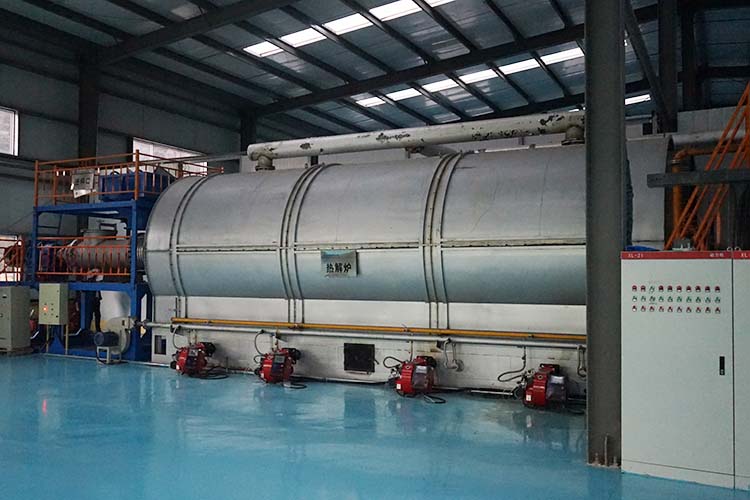
China Yongle Environmental Protection Engineering Special Research and Development "Grassroots Emergency Dual Adaptation" Equipment: The core adopts the "high-temperature steam ultraviolet collaborative sterilization" technology, with a sterilization rate of 99.999% and a waste volume reduction rate of 82% after being subjected to saturated steam at 118 ℃ for 35 minutes. The equipment weighs only 55 kilograms and can be transported by 2 people, suitable for pickup transportation in mobile medical stations; Adopting a "battery+liquefied gas dual drive" system, it can operate continuously for 12 hours on a single charge in areas without power grids. It is equipped with safety signs in French, Hausa, and Yoruba languages to reduce operational risks.
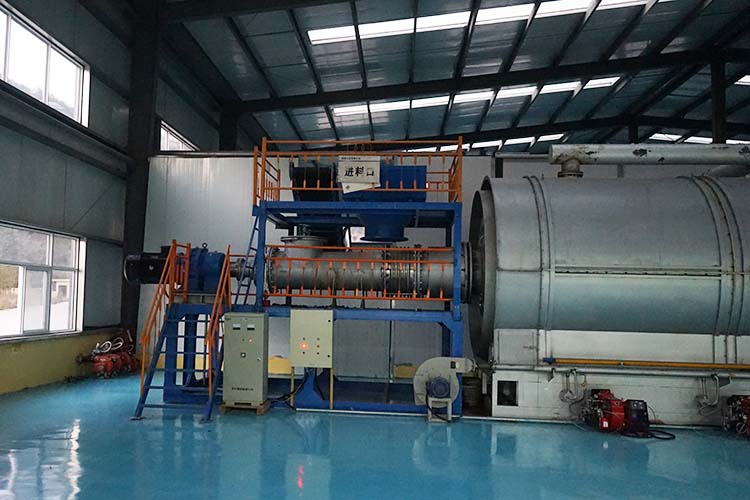
Accurate coverage of diverse scenarios: In Lagos University Hospital and Abidjan Central Hospital, the daily processing capacity of multi unit equipment is 400 kilograms, supporting the classification and treatment of infectious and chemical waste; In rural medical centers in Burkina Faso, the daily processing capacity of mini devices is 35 kilograms, and the operation guide includes text, images, and voice explanations. Medical staff can master it in 25 minutes; In the conflict zone of Mali, emergency equipment can be airdropped by humanitarian helicopters with a daily processing capacity of 200 kilograms to assist in epidemic prevention and disinfection; At the cocoa plantation health station in Ghana, equipment is specifically designed to handle pesticide poisoning medical waste to avoid soil contamination.
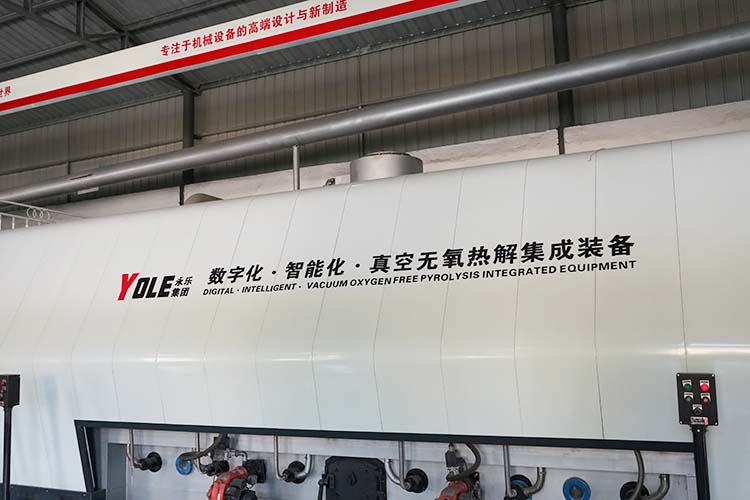
We provide localization support: the equipment has passed the dual certification of NAFDAC in Nigeria and the Ministry of Health in Cote d'Ivoire, and training bases have been established in Lagos and Accra to provide free multilingual operation training. Commonly used spare parts are stored in the bonded zone of the West African Community, and emergency distribution of parts in war-torn areas is achieved through the M é decins Sans Fronti è res logistics network. The cost of a single device is less than 23000 yuan, which helps small medical points avoid the risk of violations and build a three-level processing system of "urban hospital rural health station emergency station".
Yongle Environmental Protection is mainly engaged in the research and development, production and sales of complete sets of technical equipment for organic solid waste disposal and comprehensive utilization. Production and manufacturing, domestic waste treatment equipment, tire pyrolysis equipment, medical waste disposal equipment, hazardous waste disposal equipment, and achieve efficient and comprehensive utilization of resources through independently developed low-temperature anaerobic pyrolysis equipment technology solutions.
Tags:Full adaptation of grassroots emergency response to medical waste problem in West Africa,medical waste treatment equipment,YONGLE GROUP
 Latest news