


 2025-11-17
As an economic hub in West Africa, C ô te d'Ivoire is undergoing rapid urbanization, with densely populated cities such as Abidjan and Bouake generating over 12 million tons of household waste annually. Organic kitchen waste accounts for 62% of the total, while plastic waste accumulates in large quantities due to early control loopholes. It is expected that by 2025, uncontrolled plastic waste will reach 500000 tons. The local climate is tropical, with an average temperature of 25-28 ℃ throughout the year. During the rainy season (May October), abundant precipitation causes garbage piled up outdoors to seep into the soil, flow into rivers and oceans, and pollute drinking water sources and fishery resources; During the dry season (November April of the following year), high temperatures accelerate the decay of garbage, and the spread of foul odors and bacteria seriously affects residents' health. According to the Solid Waste Management Regulations of Cote d'Ivoire and the requirements of the environmental protection department, the harmless treatment rate of urban household waste needs to reach 70% by 2030. However, the traditional methods of landfilling occupying farmland and simple incineration polluting the atmosphere are no longer sustainable, and treatment equipment that adapts to the characteristics of local waste has become the key to improving people's livelihoods.
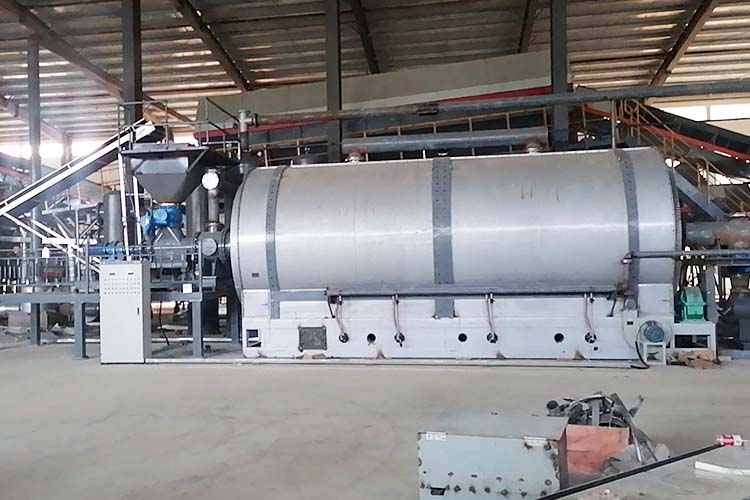
China Yongle Environmental Protection Engineering has developed a targeted "organic fermentation+plastic resource utilization" integrated equipment: after 72 hours of high-temperature aerobic fermentation, kitchen waste is converted into high-quality organic fertilizer, which can be directly supplied to the core cocoa and coffee plantations in Cote d'Ivoire, helping to improve agricultural quality; Difficult to degrade plastics are broken and pyrolyzed to produce derivative fuels (RDF), which are suitable for the boiler needs of local sugar and thermal power plants, with an overall resource utilization rate of over 65%. In response to the characteristics of heavy rain and easy flooding, the equipment adopts a "fully enclosed pre-treatment chamber+rainwater diversion system" to avoid soil and water pollution caused by garbage leachate; The core components are made of materials that are resistant to moisture and corrosion, and are equipped with intelligent ventilation and heat dissipation modules to ensure continuous and stable operation in high temperature and high humidity environments.
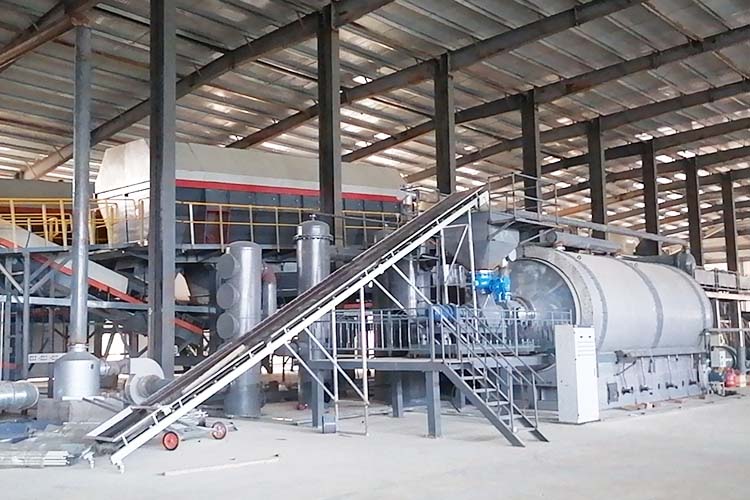
Flexible adaptation of the entire scene from urban to rural areas: In mega cities such as Abidjan, the daily processing capacity of clustered equipment can reach 300 tons, and the organic fertilizers produced are supplied to surrounding planting areas through agricultural cooperatives, with derivative fuels connected to the urban energy network; In medium-sized cities such as Bouak é and Yamoussoukro, modular equipment covers an area of only 85 square meters and supports rapid installation and production. It can seamlessly connect with existing garbage collection points and reduce transportation costs; In remote rural areas and agricultural communities, small portable devices support solar assisted power supply, and the operation interface is equipped with French text and image guidance. Villagers can get started after half a day of training, and the daily processing capacity meets the daily needs of the village, avoiding garbage accumulation and pollution of farmland.
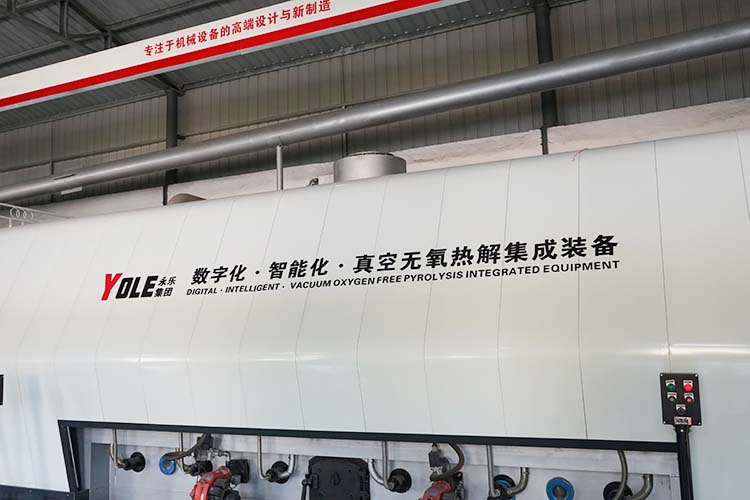
We are well aware of the development differences between urban and rural areas in Cote d'Ivoire and provide customized services: strengthening equipment anti salt spray corrosion treatment for coastal cities and optimizing organic fertilizer production ratios for agricultural areas. Establish a regional service center in Abidjan, with sufficient reserve of spare parts, and respond to equipment failures in major cities within 24 hours for maintenance, and arrive in remote areas within 48 hours. The operating noise of the equipment is controlled below 52 decibels, and the exhaust is purified through a triple process of "dust removal+desulfurization+activated carbon adsorption". The emissions fully comply with the environmental standards of Cote d'Ivoire and can be safely deployed in residential areas and scenic areas. We look forward to working together with the municipal departments and environmental protection enterprises of Cote d'Ivoire to provide equipment solutions that are oriented towards people's livelihoods, solve the problem of urban and rural garbage pollution, and protect the health and ecological environment of residents.
Yongle Environmental Protection is mainly engaged in the research and development, production and sales of complete sets of technical equipment for organic solid waste disposal and comprehensive utilization. Production and manufacturing, domestic waste treatment equipment, tire pyrolysis equipment, medical waste disposal equipment, hazardous waste disposal equipment, and achieve efficient and comprehensive utilization of resources through independently developed low-temperature anaerobic pyrolysis equipment technology solutions.
Tags:Garbage equipment adapts to all scenarios in Cote d'Ivoire,household waste treatment equipment,YONGLE GROUP
 Latest news