



 2025-11-10
With the continuous development of the medical system in India, Delhi, Maharashtra and other regions have over 100000 general hospitals, clinics and community health centers, with over 1.2 million tons of medical wastes produced per year, including infectious dressing, waste syringes, expired drugs, mercury-containing equipment, etc. The local high temperature and humid climate environment makes the medical waste easy to breed harmful microbes after 24 hours of temporary storage, and there are management loopholes in the medical institutions in India - 49% institutions still adopt the dangerous operation of cutting the needle, only 50% institutions use blue classified containers according to the regulations, and 43% institutions fail to seal the medical waste bags as required, which greatly increases the cross-infection and environmental risks. In accordance with India's 2016 Rules for the Management of Biomedical Wastes and subsequent revision requirements, medical wastes shall be 100% harmless treated and traced through the whole process. Traditional incineration equipment is simple and crude, and the dioxin emission exceeds the standard, which cannot meet the compliance requirements. Therefore, the introduction of safe and efficient treatment equipment becomes the key.
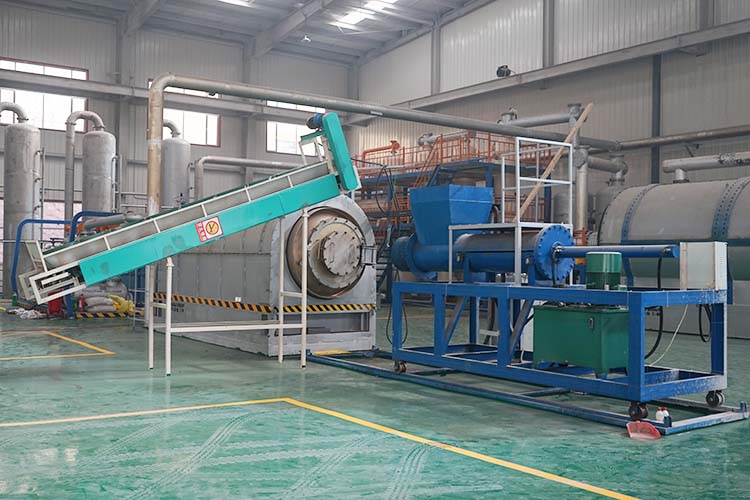
China Yongle Environmental Protection Engineering Co., Ltd. has been dedicated to the research and development of India medical waste characteristics and management pain point for 15 years: the core adopts the combined process of "high temperature steam sterilization+crushing and volume reduction", the sterilization temperature reaches 134 ℃ and keeps for more than 30 minutes, the sterilization rate is 99.999%, the treated waste can be disposed as general industrial waste in compliance, and secondary pollution is eliminated from the source; For humid environment, the core components of the equipment shall be made of 316L stainless steel, and the electrical interface shall meet IP67 waterproof and dustproof standards to prevent short circuit faults caused by moisture. The equipment has a built-in barcode traceability system, which can be connected with the existing classification system of the hospital, accurately record the whole process of medical waste from generation to disposal, and specifically solve the industrial pain points of non-standard classification and imperfect traceability.
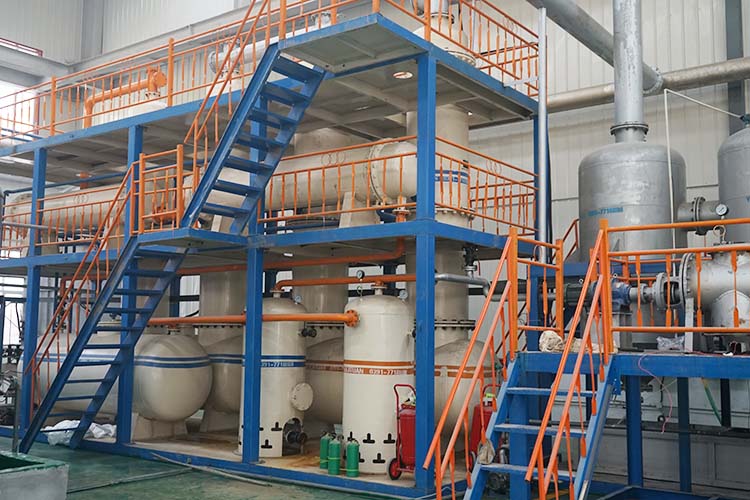
Application scenarios cover all types of medical institutions: in large institutions such as Delhi Apollo Hospital and Mumbai Private Specialized Hospital, the daily processing capacity of multiple equipment can reach 1t, supporting the centralized treatment of wastes from multiple departments, and adapting to the characteristics of high proportion of private hospitals and large processing demands; In clinics and nursing homes in medium-sized cities, the daily processing capacity of small mobile equipment is 200-300kg, equipped with one-touch start and fault alarm functions, the operation interface supports Hindi language, and medical personnel can operate independently after 1-hour training; In the rural health center, the equipment supports simple power supply, adapts to the unstable power situation in remote areas, and is small in size and covers only 12 square meters, which can be deployed nearby to reduce transportation risks.
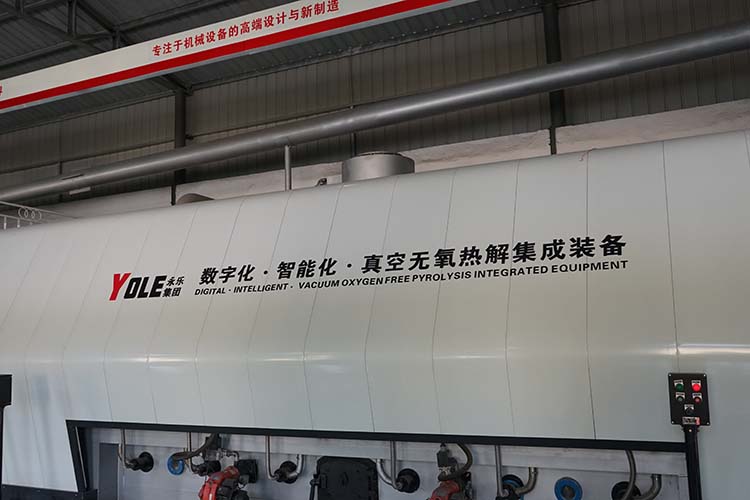
With more than 20 national patents, our core team is composed of environmental engineering and mechanical design experts and has provided medical waste treatment solutions for many developing countries. Assist in filing compliance with local environmental authorities for the Indian market and provide one-stop service for equipment installation, commissioning and operator training. Establish after-sales service centers in Delhi and Bangalore, provide 7 × 24h response, regularly maintain equipment on site and establish remote technical support channels for customers in remote areas. The equipment investment cost is suitable for the budgets of medical institutions of different sizes in India, without complicated supporting facilities, so as to help institutions at all levels to easily meet the requirements of new regulations. It is expected to cooperate with Indian health departments and medical institutions to build a medical waste treatment system with compliant and efficient equipment to safeguard the health of medical staff and the public.
Yongle Environmental Protection is mainly engaged in the research and development, production and sales of complete sets of technical equipment for organic solid waste disposal and comprehensive utilization. Production and manufacturing, domestic waste treatment equipment, tire pyrolysis equipment, medical waste disposal equipment, hazardous waste disposal equipment, and achieve efficient and comprehensive utilization of resources through independently developed low-temperature anaerobic pyrolysis equipment technology solutions.
Tags:India Medical Waste Treatment Facility Solves Medical Waste Challenges,medical waste treatment equipment,YONGLE GROUP
 Latest news