


 2026-01-23
According to the Medical Waste Management Act of South Korea and the certification requirements of the Ministry of Food and Drug Safety (MFDS), medical waste must achieve "classified packaging closed-loop traceability harmless treatment", the sterilization rate of infectious medical waste must reach 99.999%, and equipment must pass multiple special tests such as biological safety, chemical residue, durability, etc. The healthcare system in South Korea is well-developed, with large comprehensive hospitals handling large volumes and complex categories. Clinics and small medical institutions are densely distributed with small processing volumes, generating approximately 480000 tons of medical waste annually, of which hazardous medical waste containing drug residues accounts for 33%. The requirements for equipment miniaturization, biosafety, and operational convenience are extremely high, and must comply with both KS T 0330 medical equipment standards and electrical safety regulations.
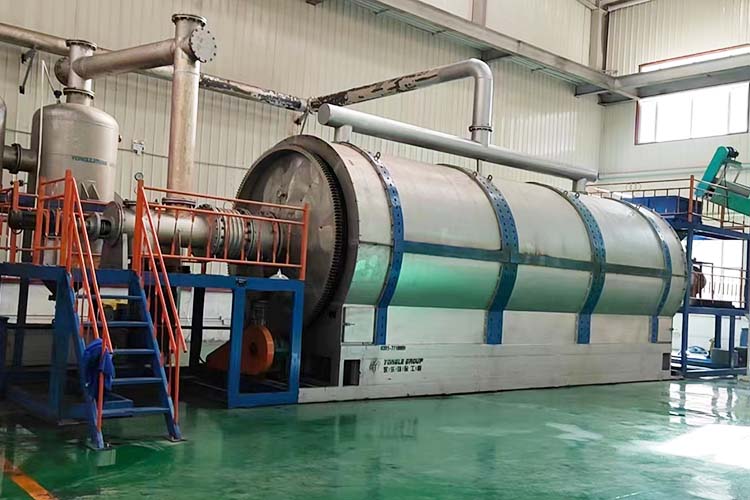
China Yongle Environmental Protection Engineering Special Research and Development "Korean Standard MFDS Compliant" Medical Waste Treatment Equipment: The core adopts "Microwave High Temperature Steam Collaborative Sterilization" technology, optimizes parameters for infectious medical waste, and uses saturated steam at 125 ℃ for 31 minutes to achieve a sterilization rate of 99.9996%. It has passed MFDS biological safety testing to ensure no residual pathogens. The equipment has passed the chemical residue, durability, and electrical safety tests, with a waste reduction rate of 85%. After treatment, the residue can be safely incinerated or landfilled. Equipped with a Korean touch control interface and simple instructions, medical staff can proficiently master it in 18 minutes. It is divided into three categories: large linkage model, medium standard model, and mini portable model. The mini model weighs only 56 kilograms and is suitable for small clinics with narrow spaces. It adopts the "power grid backup battery dual guarantee" to cope with sudden power outages. The emergency stop and fault alarm system meets the safety requirements of MFDS operation.
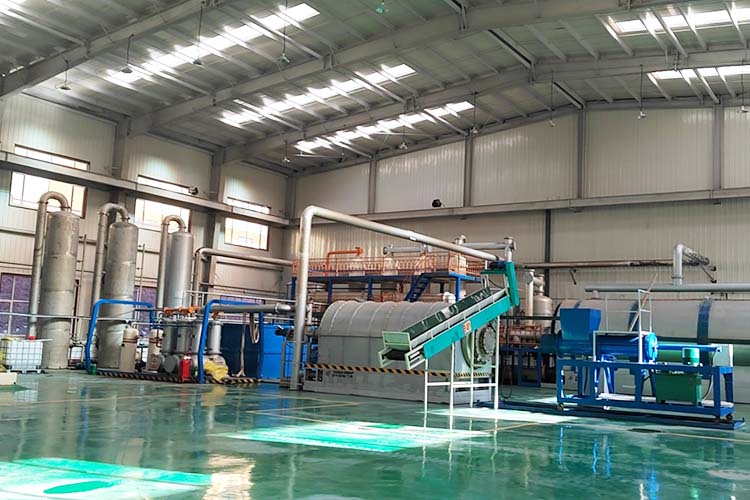
Multi scenario precise adaptation: At Seoul National University Hospital and Yonsei University Severance Hospital, the daily processing capacity of multi unit linkage equipment is 450 kilograms, supporting the classification and treatment of infectious, chemical, and anatomical pathology medical waste, and seamlessly integrating with hospital logistics systems; At community clinics in Incheon and Daegu, the daily processing capacity of mini devices is 36 kilograms, and the operation guide includes Korean language graphics, text, and voice prompts, which meets the manpower configuration needs of small institutions; In remote diagnosis and treatment points in Chungcheongnam do and Jeolla buk do, portable devices are equipped with low-temperature refrigeration modules to prevent short-term storage and deterioration of medical waste; In emergency situations of the epidemic, mobile cabin type equipment can be quickly deployed with a daily processing capacity of 260 kilograms, meeting the epidemic prevention needs of temporary medical points.
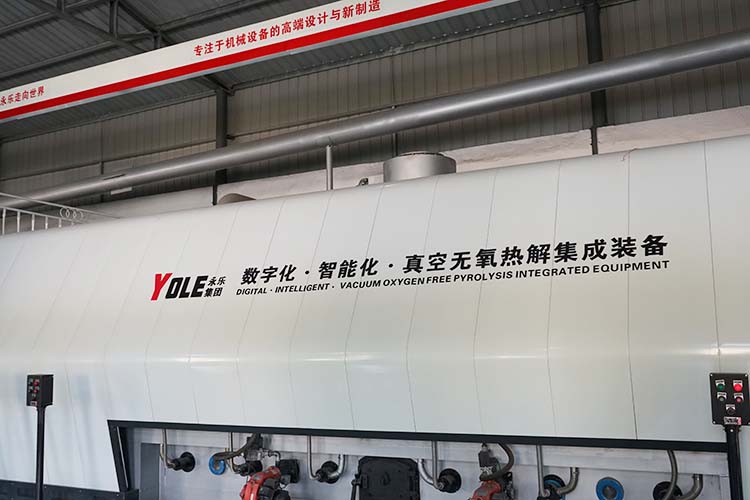
Compliance and localization support: The equipment has passed MFDS full certification and KS T 0330 standard audit, assisting medical institutions in completing the registration of medical waste traceability systems. Establish a training center in Seoul to provide Korean language training on MFDS certification regulations and equipment operation; Commonly used spare parts are stored in local warehouses in South Korea and covered nationwide 24 hours a day through express delivery; The cost of purchasing a single device is 36% lower than similar products in South Korea, which can accurately adapt to the refined control needs of the Korean medical system and reduce compliance costs for medical institutions.
Yongle Environmental Protection is mainly engaged in the research and development, production and sales of complete sets of technical equipment for organic solid waste disposal and comprehensive utilization. Production and manufacturing, domestic waste treatment equipment, tire pyrolysis equipment, medical waste disposal equipment, hazardous waste disposal equipment, and achieve efficient and comprehensive utilization of resources through independently developed low-temperature anaerobic pyrolysis equipment technology solutions.
Tags:Korean interface for Korean medical waste equipment is easy to operate,medical waste treatment equipment,YONGLE GROUP
 Latest news