


 2026-01-23
South Korea produces approximately 400000 tons of waste tires annually. With a mature recycling system, the size of the recycling market is expected to reach 351.1 million US dollars by 2035. The core development direction is the preparation of recycled carbon black (RCB) using pyrolysis technology, forming a "waste tire RCB new tire" closed loop. With the construction of the largest waste tire pyrolysis plant in South Korea in Tangjin City, the market's requirements for RCB purity and resource utilization rate have significantly increased, requiring compliance with the KS K 6219 rubber standard. Traditional equipment has problems such as waste of by-products and low resource utilization rate, and urgently needs industrial grade recycling equipment that adapts to the closed-loop of the South Korean industry.
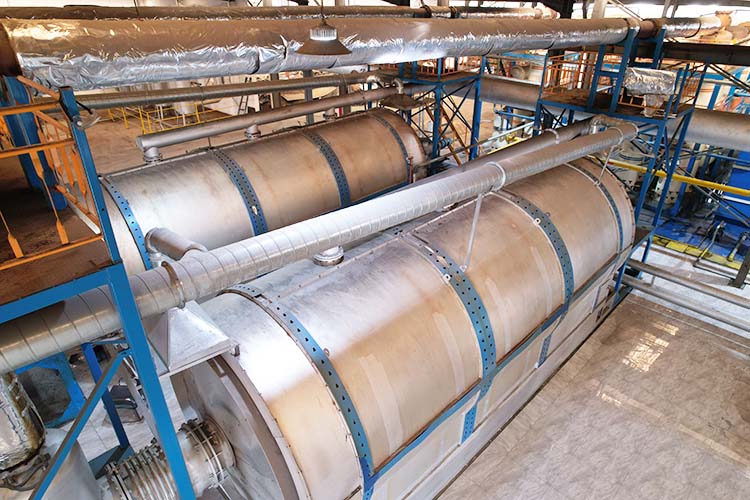
China Yongle Environmental Protection Engineering customizes the "Korean Standard Industry Closed Loop" waste tire processing equipment: The pre-treatment stage adopts an integrated system of "intelligent sorting hydraulic precision cutting magnetic separation fiber separation", optimizing tungsten steel cutting tools for commercial tires and agricultural machinery tires. The steel wire separation rate reaches 99.97%, which meets the recycling standards of the Korean Steel Association. The core adopts the "secondary pyrolysis+RCB purification" technology, breaking through the bottleneck of traditional pyrolysis by-product waste. The carbon residue is further processed into RCB with a purity of 98.3%, which has performance comparable to native carbon black and can be directly supplied to enterprises such as Jinhu Tire and Hankook Tire for new tire manufacturing. At the same time, pyrolysis oil is produced as industrial fuel, with an overall resource utilization rate of 98.2%, perfectly adapted to the regeneration system of the Tangjin factory in South Korea. The equipment adopts a fully automated control system, with 99% process intelligent management and equipped with an efficient dust removal and noise reduction system, which meets the environmental protection requirements of industrial zones in South Korea.
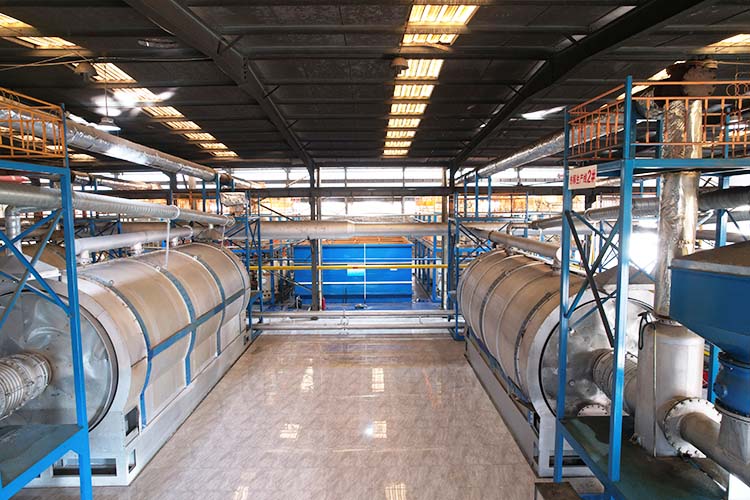
Full industry scenario coverage: In the Tangjin Waste Tire Resource Recycling Park, the daily processing capacity of large-scale equipment is 58 tons, and the recycled RCB is directly supplied to the local pyrolysis factory, integrating into the "waste tire tire scrap RCB new tire" closed-loop, reducing carbon dioxide emissions by more than 30000 tons annually; In the Gyeonggi Province Automotive Scrap Park, modular equipment has a daily processing capacity of 14 tons, and recycled rubber is used to produce automotive seals that are compatible with the supply chains of Hyundai and Kia Motors; At the ports of Busan and Incheon, mobile devices are used to process waste tires from freight trucks, and anti-collision strips are produced for container terminal protection; At the Jeju Island scenic area, the equipment processes colored waste tires into landscape facilities and anti slip mats, balancing environmental protection and tourism needs.
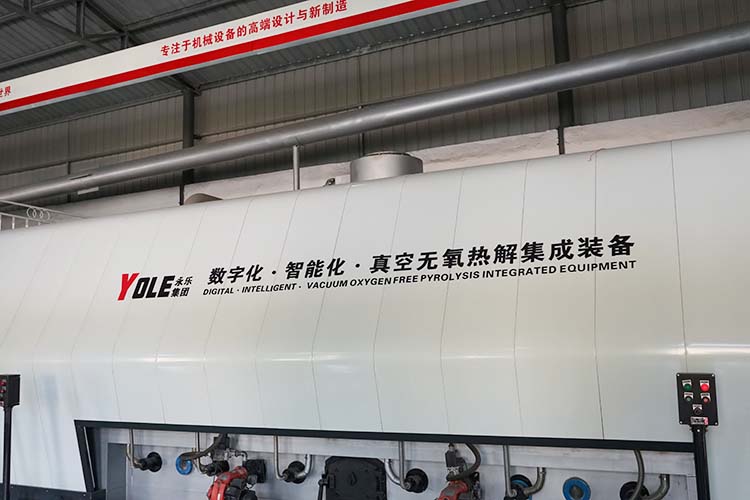
Compliance and Industry Collaboration: The equipment has passed KCS certification and KS K 6219 rubber standard audit, in line with the Korean waste tire recycling industry plan. Establish a service station in Tangjin and collaborate with local pyrolysis enterprises and tire manufacturers to provide customized solutions; Equipped with a Korean language technical team to provide on-site guidance on equipment debugging and process optimization, and assist in coordinating the procurement channels for recycled materials; The core components adopt Korean industrial standard specifications, and can be directly purchased and replaced in the local parts market, helping enterprises reduce operation and maintenance costs and respond to South Korea's low-carbon circular industry policy.
Yongle Environmental Protection is mainly engaged in the research and development, production and sales of complete sets of technical equipment for organic solid waste disposal and comprehensive utilization. Production and manufacturing, domestic waste treatment equipment, tire pyrolysis equipment, medical waste disposal equipment, hazardous waste disposal equipment, and achieve efficient and comprehensive utilization of resources through independently developed low-temperature anaerobic pyrolysis equipment technology solutions.
Tags:Korean waste tire equipment adapted to Tangjin pyrolysis park,waste tire refining equipment,YONGLE GROUP
 Latest news