


 2025-12-10
Malaysia is an important oil producing and palm oil exporting country in Southeast Asia. The Sarawak oil fields, Selangor refineries, and palm oil processing plants generate approximately 800000 tons of oily sludge annually, with an oil content of 35% -50%. Among them, palm oil plant sludge (POMS) accounts for 45%, mixed with crude oil residue, palm fibers, and saline alkali sand particles. If these sludge are directly discharged, they will pollute the waters off the west coast of the Malay Peninsula and the soil in palm growing areas - Malaysia's annual fishery output exceeds 30 billion ringgit, and oil pollution has caused fishermen in Penang waters to reduce production by 70%. According to the Marine Pollution Prevention and Control Law, the oil recovery rate of oily sludge needs to be ≥ 88%, and traditional equipment is difficult to meet the needs of oil and palm sludge treatment.
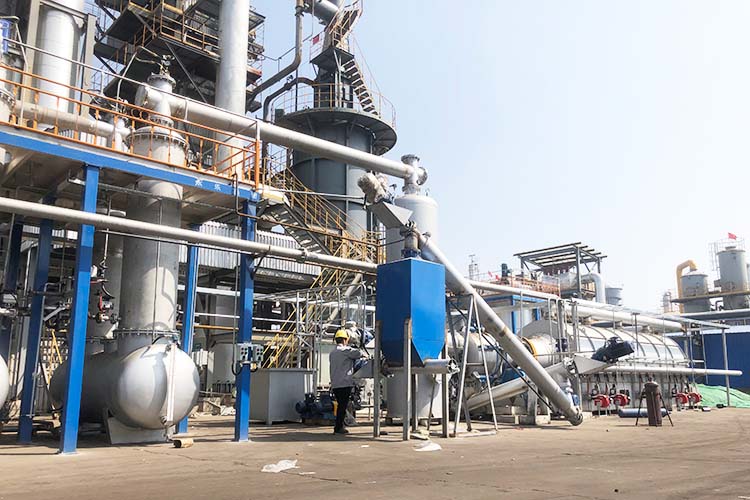
China Yongle Environmental Protection Engineering has developed an integrated equipment for "dual scenario adaptation+efficient oil extraction" based on the characteristics of oily sludge in Malaysia. The equipment adopts a design of "titanium alloy anti-corrosion material+fully enclosed cabin", which is adapted to the high fiber environment of oil field salt alkali and palm processing, and has a leak proof structure to prevent pollution; The core is equipped with a dual process of "gravity precipitation centrifugal separation", which does not require chemical agents. It optimizes the sieve aperture for palm oil sludge, removes 99% of palm fibers, and achieves an oil recovery rate of over 93%. The recovered oil products can be used for palm farm machinery or oilfield machinery; The moisture content of the processed residue is ≤ 15%, which can be used for laying roads in planting areas.
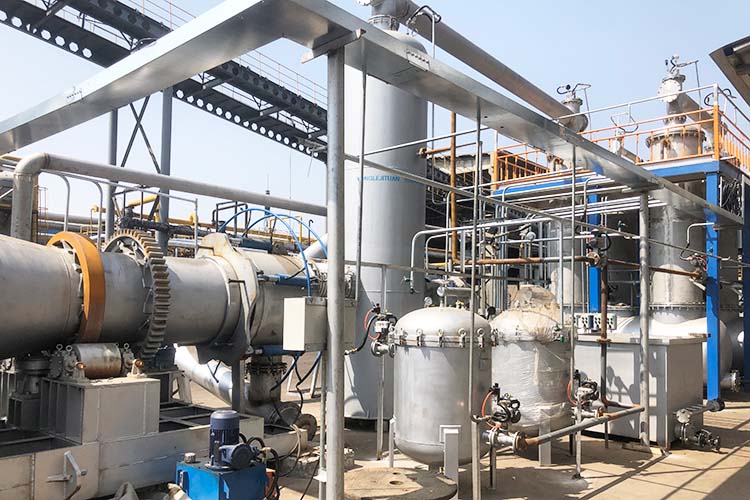
Full industry chain scenario coverage: In the onshore oil field of Sarawak, mobile equipment can be deployed along with drilling points, with a daily processing capacity of 30 tons, to avoid sludge transportation leakage; At the Selangor Refinery, large-scale centralized equipment with a daily processing capacity of 100 tons is linked with the plant's oil supply system to achieve a "sludge oil mechanical" cycle; At the Pahang state palm oil processing plant, modular equipment processes POMS with a daily processing capacity of 25 tons. The recovered palm oil can be refined again, and the residue is made into organic fertilizer for feeding back to palm trees; At Penang Port, mini equipment processes oil tanker cleaning sludge with a daily processing capacity of 8 tons, safeguarding the ecology of the nearshore waters.
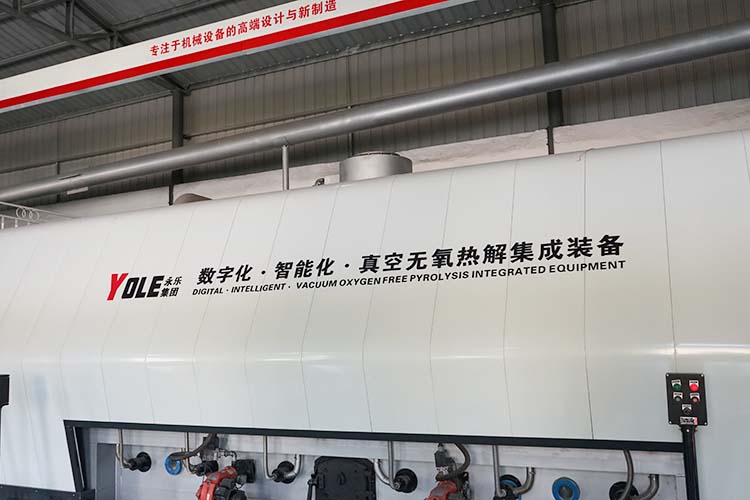
We provide exclusive services: the equipment has passed DOE certification and Petronas technical standard certification, assisting customers in completing environmental protection declarations. Set up service bases in Kuala Lumpur and Kuching, reserve oil resistant and corrosion-resistant spare parts, and cooperate with the after-sales system of PETRONAS and FGV Group to achieve 24-hour response. The equipment procurement cost is only 56% of similar international products, and the oil recovery revenue can cover the investment within 9 months, helping Malaysia protect the marine and soil ecology, and promoting the coordinated development of energy and palm industries.
Yongle Environmental Protection is mainly engaged in the research and development, production and sales of complete sets of technical equipment for organic solid waste disposal and comprehensive utilization. Production and manufacturing, domestic waste treatment equipment, tire pyrolysis equipment, medical waste disposal equipment, hazardous waste disposal equipment, and achieve efficient and comprehensive utilization of resources through independently developed low-temperature anaerobic pyrolysis equipment technology solutions.
Tags:Malay oil sludge problem solved with leak prevention equipment,Oil sludge treatment equipment,YONGLE GROUP
 Latest news