



 2025-12-16
The number of motor vehicles in West Africa exceeds 28 million, and agricultural machinery on the Lagos Abuja highway in Nigeria and cocoa plantations in Cote d'Ivoire consumes over 8 million tires annually, generating approximately 2.2 million tons of waste tires annually. According to the Bamako Environmental Initiative, open burning of waste tires will face criminal punishment, and the construction of a "waste tire resource industrial park" is being promoted in the region. The local infrastructure demand is strong - the cross-border road network planned by the Economic Community of West African States requires a large amount of modified rubber, and cocoa plantations urgently need anti puncture agricultural machinery parts. Traditional processing equipment can only recycle steel wire, with a resource utilization rate of less than 12%. Efficient recycling equipment has become a core shortage in the industry.
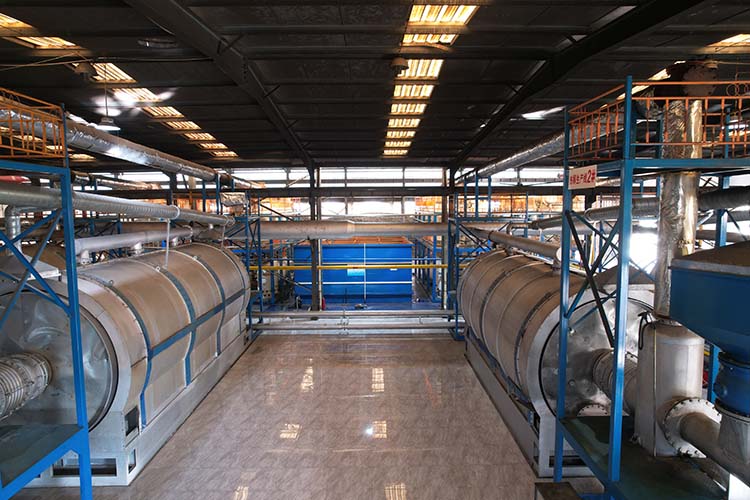
China Yongle Environmental Protection Engineering customizes "steel rubber efficient separation+industrial adaptation" equipment: the pre-treatment stage adopts a "hydraulic shearing magnetic separation linkage" system, optimizes tungsten steel blades for the wear resistance characteristics of agricultural machinery tires, and achieves a wire separation rate of 99.9%, which meets the standards of the West African Iron and Steel Association; The core improves rubber strength through "low-temperature vulcanization technology", producing 3-10mm recycled particles with a compressive strength of 28MPa, which can be used to produce highway speed bumps and anti slip pads for agricultural machinery, with an overall resource utilization rate of 96%. The equipment adopts a "diesel drive+simple mechanical structure" and can operate stably even in plantations without power grids.
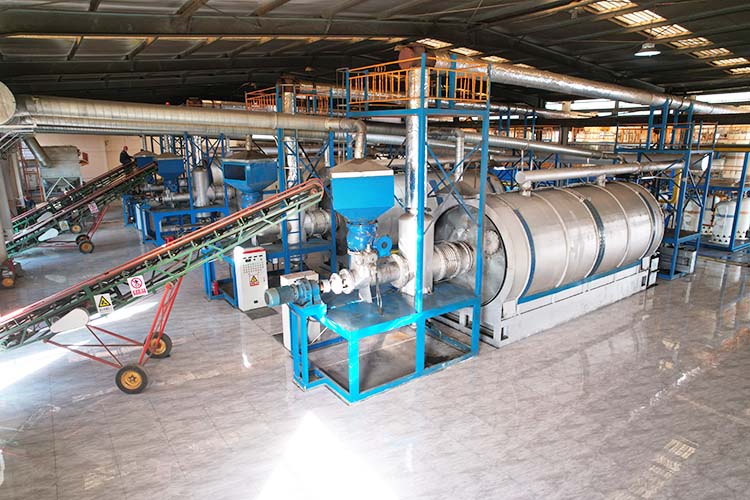
Multi scenario adaptation requirements: In the Lagos scrapped vehicle park, the daily processing capacity of large equipment is 60 tons, and recycled rubber is directly supplied to the multinational highway project department; In the Ashanti cocoa production area of Ghana, small equipment has a daily processing capacity of 10 tons, processing waste tires into anti slip shoes for pickers and sealing rings for irrigation pipes; At the port of Lom é in Togo, modular equipment is used to process waste tires from freight trucks, and anti-collision strips are produced for container protection; At the Gor é Island scenic area in Senegal, the equipment processes waste tires into landscape seats, combining environmental protection and tourism value.
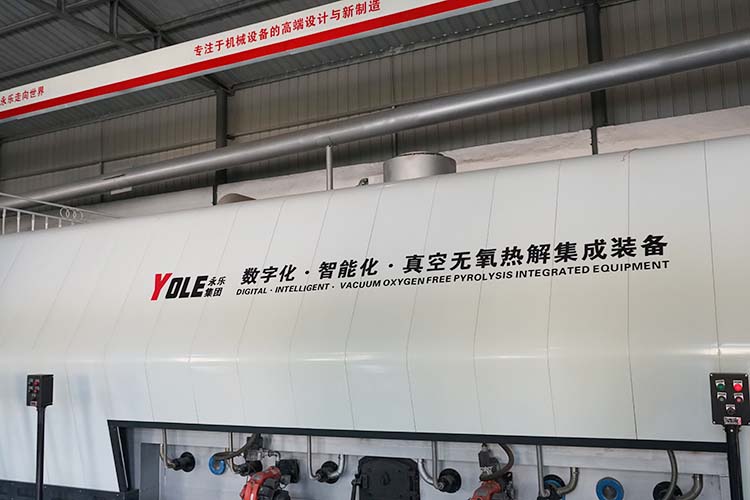
Compliance and Industry Assurance: The equipment has been registered with CMAE and service stations have been established in Lagos and Abidjan. We also cooperate with the West African Cocoa Growers Alliance to provide equipment leasing. Equipped with French and English technical teams, the core components adopt universal specifications, and replacement parts can be purchased from the local hardware market. The equipment operates by sprinkling water to reduce dust, and the exhaust gas is treated with desulfurization to meet emission standards, helping West Africa reduce its dependence on imported waste tires and providing low-cost raw materials for infrastructure and agriculture.
Yongle Environmental Protection is mainly engaged in the research and development, production and sales of complete sets of technical equipment for organic solid waste disposal and comprehensive utilization. Production and manufacturing, domestic waste treatment equipment, tire pyrolysis equipment, medical waste disposal equipment, hazardous waste disposal equipment, and achieve efficient and comprehensive utilization of resources through independently developed low-temperature anaerobic pyrolysis equipment technology solutions.
Tags:The bilingual team of West African waste tire equipment provides full support throughout the process,waste tire refining equipment,YONGLE GROUP
 Latest news